

Types of Risks in Risk Management Explained
📊 Understand the various types of risks in risk management that affect finance, reputation, operations, and legal aspects for effective planning and mitigation in Pakistan.
Edited By
Sophie Carter
Risk comes in many shapes, but five main categories dominate the corporate landscape: operational, financial, strategic, compliance, and reputational risks. Each type demands tailored strategies and tools suited to its nature.
Operational risk arises from internal processes, people, or systems failing. For example, a sudden breakdown in supply chain due to severe loadshedding can disrupt production, causing delays and cost overruns. Pakistani manufacturers often face such challenges, making risk controls like backup power solutions and alternative suppliers necessary.
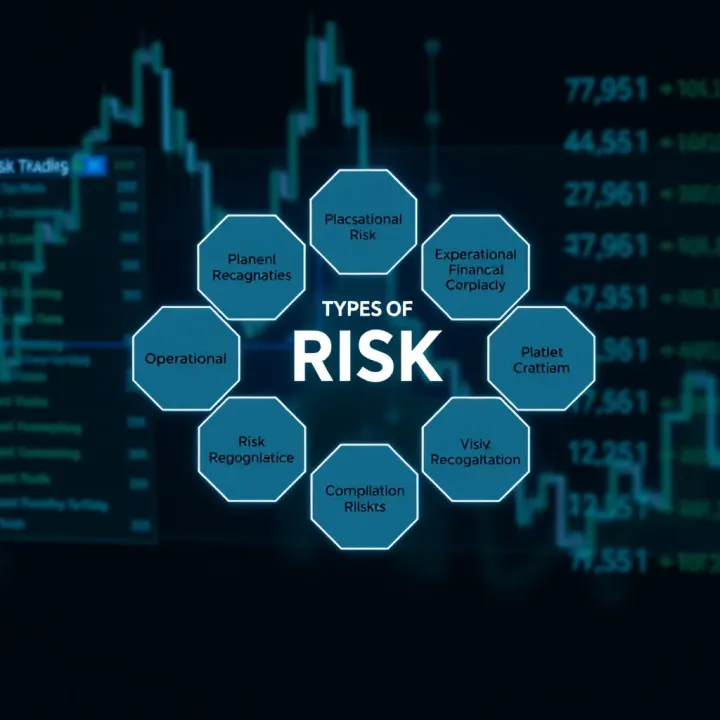
Financial risk relates to market fluctuations, credit defaults, or liquidity shortages. Stock traders in Karachi or Lahore, for instance, manage this risk by diversifying portfolios, using hedging instruments, or following SBP regulations governing banking liquidity.
Strategic risk deals with choices that affect long-term objectives. A real estate developer might risk heavy losses if they invest in properties in an area prone to flooding during monsoon season. Proper market research and contingency planning lower such risks.
Compliance risk concerns failure to meet regulatory requirements. Non-compliance with FBR tax rules or SECP corporate governance standards can lead to hefty fines or business suspensions. Keeping up to date with laws and regular compliance audits helps organisations avoid these pitfalls.
Reputational risk involves damage to an organisation's public image. For example, a food chain like Foodpanda or a ride-hailing service like Careem suffers if safety or hygiene issues surface publicly. Proactive customer engagement and quality control reduce reputational damage.
Managing these risks isn't just about avoiding losses; it’s about safeguarding your business’s future and building trust among stakeholders.
Pakistan’s corporate and financial sectors increasingly rely on risk assessment tools such as SWOT analysis, risk matrices, and Key Risk Indicators (KRIs). These help pinpoint vulnerabilities and monitor risk exposures in real time. Effective risk management is a continuous process, blending technology, strategy, and compliance practices to protect business interests.
Understanding the different types of risks allows you to develop targeted actions, whether dealing with local challenges like currency depreciation or sector-specific issues. This knowledge not only boosts your decision-making confidence but also strengthens resilience in uncertain economic times.
Risk management is the backbone of any successful business, particularly for traders, investors, and finance professionals who face uncertainties daily. It involves recognising potential threats that can affect financial health, operations, or reputation and then planning ways to deal with them. By understanding risk management basics, professionals in Pakistan's markets can better navigate fluctuations in currency, interest rates, and regulatory changes.
Risk refers to the chance that an event or decision leads to a loss or undesirable outcome. It is not just about negative possibilities but also the uncertainty surrounding business activities. For example, a foreign exchange trader deals with risks linked to sudden currency volatility caused by political developments or economic announcements.
Another instance is a company facing business disruption due to loadshedding or sudden supply chain failures. These risks can be measurable or uncertain, but identifying them early is vital to avoid significant damage.
Managing risk means implementing strategies to reduce the likelihood or impact of adverse events. The goal is not to avoid risk entirely since it’s inherent in business but to control it so that losses are minimised and opportunities are maximised.
For example, an investor diversifies their portfolio to spread market risk across different sectors or asset classes, reducing the impact of a downturn in any single area. Similarly, compliance departments ensure that regulations by SECP (Securities and Exchange Commission of Pakistan) are followed to avoid fines or legal issues.
Ignoring risks can lead to severe financial losses, currency devaluation impact, reputational damage, or even business failure. Consider a company exporting goods abroad that doesn’t hedge against currency risk. A sudden fall in PKR value could wipe out a substantial portion of its profits.
Beyond finance, operational issues like data breaches or supply delays cause customer dissatisfaction and legal consequences. Businesses suffer long-term harm when they overlook risk management.
Companies without a risk management culture often find themselves reacting to crises rather than preventing them, increasing costs and uncertainty.
Pakistan’s economy brings unique risks such as frequent regulatory changes, energy shortages, and geopolitical tensions. Local businesses must stay updated on tax rules from the Federal Board of Revenue (FBR) and power tariff adjustments by NEPRA (National Electric Power Regulatory Authority).
For traders and investors, political shifts and fluctuating currency rates affect market stability. Employing risk management tools like risk registers, scenario analysis, and monitoring systems helps Pakistani firms respond proactively, protecting their investments and maintaining growth.
In short, understanding and managing risk is no luxury but a necessity for Pakistan’s financial professionals to safeguard capital and create sustainable value.
Operational Risk Management (ORM) focuses on the risks arising from an organisation’s internal processes, people, and systems. Unlike financial or market risks, operational risks tend to be day-to-day issues that, if unchecked, can cause serious disruptions or losses. For traders and finance professionals in Pakistan, understanding ORM is vital because even small errors in operations, whether in transaction processing or data handling, can trigger cascading effects on profitability and reputation.
Operational risks often result from process failures, human error, or system breakdowns. For example, a manual mistake in entering trade data or an IT glitch in updating client portfolios can cause financial discrepancies. These are not just technical faults but reflect weaknesses in controls or training that need attention. Ignoring these risks exposes a business to inconsistent performance and potential regulatory penalties.
In manufacturing, a common operational risk could be a machinery breakdown slowing production, costing time and money. Meanwhile, in service industries such as banking or brokerage firms, operational risks might emerge from delayed approvals or miscommunication among staff. Both cases highlight how operational lapses can affect the quality of service delivery and customer satisfaction.
Standard operating procedures (SOPs) are crucial to managing operational risks. They provide step-by-step guidelines for employees, ensuring consistent execution of tasks. For instance, a trading firm with clearly defined SOPs for trade confirmations and record keeping can reduce errors and improve audit compliance. SOPs help create accountability and reduce guesswork.
Internal controls and regular staff training complement SOPs by reinforcing best practices and identifying weak spots in operations. Controls such as dual verification for large transactions or periodic reviews can catch errors before they escalate. Continuous training equips employees to handle new systems or regulatory changes effectively, reducing risk from human factors.
Technology and automation play an increasingly vital role in ORM. Automated trading platforms reduce manual intervention, minimising data entry errors and speeding up processing times. Similarly, automated alerts for unusual transactions help spot problems early. Using robust information systems tailored to Pakistan’s regulatory environment ensures operations run smoothly despite complexities.
Operational risk is often underestimated but managing it well safeguards an organisation’s stability and client trust.
By focusing on these methods, businesses in Pakistan’s financial sector can create resilience against operational hiccups and maintain smooth workflows essential for success.
Financial and Market Risk Management plays a vital role in safeguarding businesses and investors against uncertainties related to money, investments, and market behaviour. In Pakistan's volatile economic environment, managing these risks is crucial to maintaining financial stability and ensuring continuity. Traders, investors, and finance professionals must understand different types of financial risks to make informed decisions and reduce potential losses.
Credit risk in lending and investments involves the possibility that a borrower or counterparty may fail to meet their payment obligations. This risk is especially relevant in banking and investment sectors where loans and credit facilities form a major part of operations. For example, commercial banks in Pakistan face high credit risk during economic slowdowns when borrowers struggle to repay loans, which can result in a rise in non-performing loans (NPLs).
Liquidity risk in cash flow management refers to the challenge of meeting short-term financial demands without incurring significant losses. This risk is common among companies that rely on day-to-day cash flow to operate. Consider a manufacturing firm in Lahore that faces payments to suppliers and staff; any unexpected delay in receivables or unfavourable market changes can cause a cash crunch, hampering the firm's ability to function smoothly.
Market risk from currency and interest rate fluctuations impacts businesses dealing with foreign exchange or loans subject to variable interest rates. In Pakistan, where the rupee often faces depreciation pressures, importers and exporters are especially exposed. For instance, a textile exporter paid in dollars may gain if the rupee weakens but loses on rupee-based costs. Similarly, rising SBP policy rates increase borrowing costs for companies, affecting profitability.
Hedging with derivatives allows businesses to protect themselves from adverse price movements in currencies, interest rates, or commodities. For example, Pakistani exporters can use forward contracts to lock in exchange rates and avoid losses due to rupee depreciation. While derivatives come with costs and complexity, they offer a practical tool to stabilise financial exposure.
Diversification of portfolio helps investors and fund managers spread risk by allocating assets across various sectors, geographies, or instruments. A stock portfolio focusing only on energy stocks listed on the Pakistan Stock Exchange (PSX) might suffer if the energy sector faces regulatory challenges. By including stocks from textiles, banking, and telecommunications, plus fixed income securities, risk smoothens out, and potential gains become more reliable.
Effective credit assessment practices involve thorough evaluation of a borrower’s repayment capacity, financial history, and market conditions before approving loans or credit. Financial institutions in Pakistan use credit scoring models and require guarantors or collateral to reduce credit risk. For instance, a microfinance institution providing small loans in rural Sindh will assess borrowers carefully to minimise defaults and protect the institution’s capital.
Sound financial risk management safeguards organisations from unpredictable market movements and credit failures, contributing to sustained growth and confidence among stakeholders.
Overall, Financial and Market Risk Management forms the backbone of resilient business practices in Pakistan's challenging economic landscape. Mastering these risks ensures smoother operations, informed investments, and financial sustainability.
Strategic, compliance, and reputational risks often go hand in hand but impact organisations differently. Together, they shape the course of business decisions, legal standing, and public trust. For traders, investors, and finance professionals in Pakistan, understanding these risks means making informed choices that steer clear of costly missteps and protect long-term value.
Strategic risks arise from a company’s overall direction and how well it adapts to changes in the market or industry. For example, a textile exporter in Faisalabad might face strategic risk if it ignores shifting trade policies or competitors’ innovations. These risks could alter the firm's growth prospects or even threaten its survival.
To handle this, businesses use scenario planning — imagining different future conditions and how they might respond. This helps companies remain flexible rather than locked into one rigid plan. A sugar mill anticipating a sudden drop in sugar prices due to new government regulations would prepare alternative strategies to protect profit margins.
Decision-making frameworks also support strategic risk management. These are structured methods guiding leaders to balance risks and rewards objectively. By applying such frameworks, organisations improve their chances of making choices that align with their goals and resources.
Compliance risk involves failing to meet laws and regulations set by bodies like the Securities and Exchange Commission of Pakistan (SECP) and the Federal Board of Revenue (FBR). Non-compliance could lead to penalties, fines, or operations suspension. For instance, a brokerage firm neglecting anti-money laundering regulations risks hefty fines and damaged credentials.
Regular internal audits are essential for spotting weaknesses before they turn into problems. These audits review financial records, operational processes, and adherence to legal requirements. Coupling them with legal consultations ensures that businesses stay updated on evolving regulations, reducing the chance of oversight.
Public perception today can make or break a company quickly, especially due to social media’s wide reach. Negative news or customer complaints on platforms like Twitter and Facebook can spread fast, affecting sales and investor confidence. For example, a food delivery service in Karachi receiving widespread criticism for late deliveries or food safety might lose customers rapidly.
Effective crisis communication plans help manage reputational risks. When a problem arises, swift and transparent responses reassure stakeholders. Maintaining open dialogue with customers, investors, and employees keeps trust alive even in difficulties.
Being proactive about strategic, compliance, and reputational risks can safeguard your firm’s future and create competitive advantages that are hard to replicate.
By understanding these risks clearly and acting on practical frameworks, professionals can protect their investments and support sound business growth across Pakistan’s dynamic markets.
Efficient risk management depends heavily on the right tools and best practices. These help organisations identify, evaluate, and mitigate risks in a structured way, preventing surprises that can hit the bottom line. From financial firms in Karachi to manufacturing plants in Faisalabad, applying these tools not only streamlines operations but also builds resilience against market volatility and regulatory challenges.
Risk registers and heat maps serve as the backbone for identifying and visualising risks. A risk register records all identified risks along with their causes, potential impact, and responsible owners. This document is crucial for transparent tracking and accountability. For example, a textile company might use a register to track risks from supply chain delays to machinery failures.
Heat maps complement registers by providing a visual snapshot, colour-coding risks based on severity and likelihood. In practice, this helps management quickly focus on ‘red zone’ threats that need immediate attention, such as foreign exchange risks for exporters when the PKR fluctuates sharply.
Risk scoring and prioritisation take assessment further by assigning numerical scores to each risk, combining factors like probability and impact. This method allows organisations to sort risks systematically, guiding resources where they matter most. For instance, a bank might prioritise credit risk over political risk if scoring shows a higher chance of loan defaults.
Prioritisation ensures decision-makers don’t waste effort on low-impact risks, which is essential in Pakistan’s often-resource-constrained business settings.
Control measures and contingency planning are practical steps firms take to reduce or respond to risks. Controls include policies like strict approval processes, staff training, or use of insurance. For example, an IT firm might implement multi-factor authentication to control cyber risks.
Contingency planning prepares organisations for “what if” scenarios. A logistics company facing loadshedding may develop backup power plans to avoid delivery delays. Such practices limit damage and keep businesses running smoothly in crises.
Monitoring tools and regular reviews ensure risk management efforts remain effective over time. Regular audits, compliance checks, and continuous tracking help spot new risks or changes in existing ones promptly.
Tools like dashboards allow real-time monitoring. For example, financial firms frequently monitor liquidity ratios and market trends daily to react swiftly to market shifts.
Use of risk management information systems (RMIS) has become indispensable in today’s data-driven world. RMIS platforms centralise risk data, support workflow automation, and generate reports that help decision-makers. Pakistani banks and insurers often rely on these systems to meet SECP compliance and regulatory reporting needs efficiently.
Data analytics for predictive risk assessment takes risk management beyond hindsight by forecasting potential threats. Analysing past patterns and external data enables predictive models that can warn of upcoming credit defaults, market slumps, or operational failures.
For example, investment firms in Lahore use data analytics to anticipate stock market volatility, adjusting portfolios beforehand.
Robust tools and consistent best practices make risk management proactive rather than reactive, turning uncertainty into manageable challenges for businesses across Pakistan.
In short, combining traditional methods like risk registers with advanced technology gives businesses the clarity and agility needed to face a complex risk landscape today.
📊 Understand the various types of risks in risk management that affect finance, reputation, operations, and legal aspects for effective planning and mitigation in Pakistan.
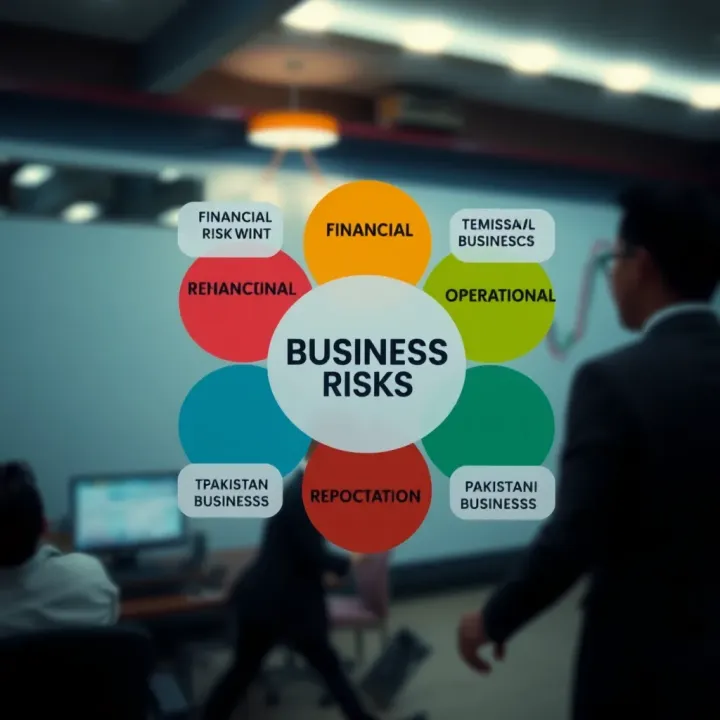
📊 Explore risk management concepts, importance & best practices for Pakistani businesses to tackle financial, operational & reputational threats effectively in today's economy.

Explore practical examples of risk management in finance, health, operations, and projects to protect assets, ensure compliance, and support smart business decisions in Pakistan 🇵🇰

📊 Understand project risk management: learn to identify, assess, and manage risks effectively to meet project goals, avoid delays, and handle challenges confidently in Pakistan.
Based on 14 reviews