
Understanding Risk Management in Pakistani Businesses
📊 Explore risk management concepts, importance & best practices for Pakistani businesses to tackle financial, operational & reputational threats effectively in today's economy.
Edited By
Thomas White
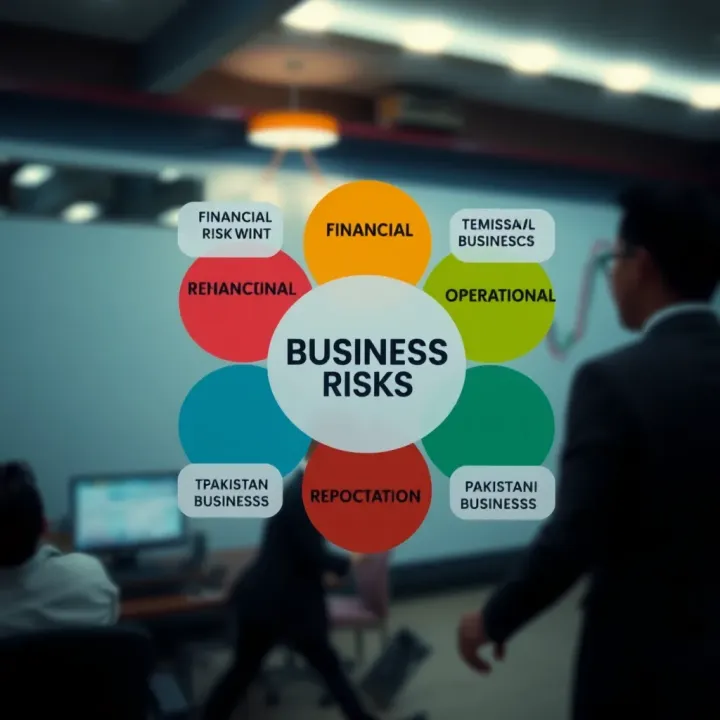
Risk management is about spotting and handling different risks that can disrupt business or investment activities. These risks touch on finance, reputation, operations, and adherence to laws. By recognising the nature and impact of these risks, you can create better plans to reduce potential losses.
Understanding different types of risks is essential not just for big enterprises in Karachi or Lahore, but also for traders and investors navigating Pakistan’s volatile market.

Financial Risk: This includes market risk, credit risk, and liquidity risk. For example, changes in the Pakistani rupee's exchange rate or stock market fluctuations on the Pakistan Stock Exchange (PSX) can directly affect portfolios.
Operational Risk: Risks arising from internal processes, systems, or human errors. Loadshedding affecting production lines or delays in supply chains due to harsh weather exemplify this.
Reputational Risk: Negative publicity or social media backlash can damage trust quickly. For instance, a Karachi-based company facing customer complaints about product quality may suffer in sales and partnerships.
Legal and Regulatory Risk: Failing to comply with laws, tax rules from the Federal Board of Revenue (FBR), or Financial Action Task Force (FATF) obligations can lead to fines or business restrictions.
Strategic Risk: Poor business decisions or failure to adapt to market changes, like ignoring the rising demand for digital payment methods such as JazzCash or Easypaisa, can hamper growth.
Conduct regular risk assessments focusing on areas most relevant to your business or investments.
Use diversification to spread financial risks across sectors or asset types.
Maintain up-to-date knowledge of local regulations and market trends.
Develop contingency plans for operational disruptions common in Pakistan, like transport strikes or seasonal flooding.
Understanding these risk categories allows you to prioritise resources and make informed decisions. This approach boosts resilience and helps safeguard your financial and reputational standing in an unpredictable environment.
Risk management is about spotting potential dangers that could slow down or damage your business and then planning how to deal with them. In Pakistan’s fast-moving economy, where market conditions can shift quickly, businesses that understand risk management stay ahead by preparing for uncertainty. Say a textile exporter in Lahore faces sudden foreign exchange rate swings; without managing this risk, profits could quickly erode. Managing risks helps protect investments, maintain steady operations, and avoid surprises that could hurt a company’s reputation or financial health.
Risk management is the process of identifying, analysing, and responding to risks that might affect an organisation’s objectives. It involves spotting anything that could cause financial loss, operational disruption, regulatory trouble, or damage to reputation. Once risks are clear, businesses prioritise them based on how severe and likely they are. For example, a Karachi-based import business might assess risks like customs delays, currency depreciation, or supplier failure. Afterwards, the business takes steps such as buying insurance, diversifying suppliers, or hedging currency exposure to minimise impact.
A simple example from daily life: a shop owner in Islamabad may manage risk by installing CCTV to prevent theft and signing contracts carefully to avoid legal disputes. In companies, this process is more formal but rests on the same basic idea — preparing for things that might go wrong.
Knowing the different types of risks matters because not all risks are equal or require the same response. Financial risks like credit default need different handling than operational risks such as supply chain breakdowns. For traders and investors in Pakistan’s stock market, recognising market risk versus liquidity risk can guide decisions and protect capital.
Clear identification allows businesses to create targeted strategies:
Financial Risks: Managing price changes, credit issues, or cash flow problems.
Operational Risks: Preventing system failures or human errors that disrupt daily work.
Compliance Risks: Following laws and regulations avoids fines and shutdowns.
Strategic Risks: Responding to competitors and changing market trends to keep business relevant.
Understanding specific risk types helps you focus resources sensibly, avoiding over-preparation for minor issues while neglecting serious threats.
This skill also supports regulatory compliance, something increasingly monitored by Pakistan’s SECP and FBR. Overall, correctly identifying risks enables organisations to safeguard their goals effectively and make confident decisions even when uncertainty looms.
Financial risks directly affect an organisation's bottom line. For traders, investors, and finance professionals, understanding these risks can make the difference between profit and loss. Financial risks encompass market volatility, creditworthiness of counterparties, and liquidity constraints, all of which influence how well a business can sustain and grow. Effective management of these risks ensures smoother operations and better preparedness for economic fluctuations.
Market risk revolves around the unpredictability of asset prices. For example, if a trader holds shares in a textile company on the Pakistan Stock Exchange (PSX), sudden changes in political stability or raw material prices can cause share prices to swing sharply. This volatility means investments can rapidly lose value.
Managing price fluctuations requires monitoring economic indicators and market sentiment closely. Using hedging instruments, like futures contracts or options, can limit exposure to sudden price drops. Without such measures, businesses may face unexpected losses, affecting cash flow and financial planning.
Companies and investors dealing in foreign currencies face an additional layer of risk. Consider a Pakistani exporter paid in US dollars: if the rupee suddenly strengthens, the converted amount in rupees decreases, hitting the exporter’s revenue.
Similarly, if an investor holds overseas assets, currency movements can erode returns. Managing this exposure often means using forward contracts or other forex hedging tools to lock in favourable rates. Ignoring foreign exchange risk can create surprises in financial statements, disrupting budgets and investment plans.
Default risk is about the possibility that a borrower won’t repay loans or credit on time. For example, a Pakistani SME lending goods to retail shops in different cities faces this risk if the shops delay payments or fail to pay at all.
This risk can cause significant cash flow interruptions. Financial professionals assess borrowers' credit history and may demand collateral or guarantees. Minimising default risk helps safeguard working capital and maintain smooth business cycles.
This risk arises when the other party in a financial transaction fails to meet their obligations. For instance, a bank might face counterparty risk when entering derivative contracts with another institution. If that institution collapses or refuses to pay, losses can accumulate quickly.
Large corporate transactions often include due diligence procedures and legal safeguards to reduce counterparty risk. Without careful assessment, companies might suffer unexpected financial damages, affecting reputation and trustworthiness.
Liquidity risk refers to difficulty in meeting short-term financial needs. Imagine a business winning a big contract but struggling to pay daily wages or suppliers due to delayed receivables. This gap can cripple normal operations.
Proper cash flow forecasting and reserves are essential to bridge such periods. Access to overdraft facilities or short-term credit lines can ease cash crunches. Ignoring liquidity risk can lead to insolvency even when a business appears profitable on paper.
Even with a sound business model, lack of access to external funding can halt expansion plans. For example, if banks tighten lending due to higher interest rates set by the State Bank of Pakistan (SBP), companies may find it hard to raise capital for new projects.
Building good relationships with financial institutions and maintaining transparent records improve chances of securing funds when needed. Managing this risk allows businesses to take advantage of growth opportunities without delays.
Understanding financial risks helps traders and investors develop strategies that protect assets and optimise returns. These risks are deeply interconnected, so addressing them together ensures a stronger financial position and operational resilience.
Operational risks affect how smoothly a business can run its day-to-day activities. These risks come from internal systems, people, and external factors linked to business processes. Ignoring them can cause delays, financial losses, or damage to reputation. In Pakistan’s fast-changing markets, understanding operational risks helps traders, investors, and finance professionals prepare better and reduce surprises.
System Breakdowns: System breakdowns refer to failures in technology or equipment that support business operations. For instance, a bank’s core banking system going offline for several hours can halt transactions, upsetting customers and delaying payments. In another example, prolonged loadshedding affecting a factory’s machinery can disrupt production schedules, incurring losses. These breakdowns highlight the need for reliable infrastructure and backup plans, ensuring uninterrupted service and operational continuity.
Human Errors: Mistakes made by staff can impact processes significantly, whether it’s a trader entering wrong data or a finance officer mishandling accounts. For example, in stock trading, an erroneous buy or sell order due to human error could lead to unwanted financial exposure. Training and clear procedures reduce such risks, plus regular audits catch issues early before they escalate. Still, even the best teams can slip up, making human error an unavoidable factor needing careful management.
Cybersecurity Threats: Cybersecurity threats loom large for businesses relying on digital systems. Hackers may target trading platforms or financial databases to steal sensitive information or disrupt operations. Pakistan has seen a rise in cyberattacks against banks and fintech firms, underlining the importance of strong firewalls, encryption, and staff awareness. Preparations against such threats protect both business assets and customer trust.
Data Breaches: When confidential data leaks, it can cause legal trouble, fines, and reputational damage. A finance company losing client CNIC details or transaction records can face regulatory penalties from SECP or FBR. Beyond fines, data breaches shake investor confidence and may cause clients to switch providers. Therefore, investing in secure data storage and strict access controls works as both defence and assurance.
Vendor Reliability: Many firms depend on external vendors for services or goods. Vendor unreliability—such as delayed deliveries or poor quality—can stall projects or increase costs. For example, a trader relying on a logistics company to import goods from China might face stock shortages if shipments get delayed. Conducting proper vendor evaluations and having alternatives ready is key to managing this risk.
Logistics Disruptions: Factors like strikes, road blockages, or customs clearance delays often hit Pakistan’s supply chains. A finance firm importing essential office equipment might be stuck if cargo waits at Karachi port for days. These disruptions lead to inefficiency and increased expenses. Businesses that plan for buffer times and maintain good relations with logistics partners reduce such interruptions substantially.
Operational risks often hide in everyday business activities. Recognising and managing these risks can save businesses from costly setbacks and help maintain steady growth, especially in Pakistan’s dynamic economic environment.
Legal, regulatory, and compliance risks pose significant challenges for businesses, especially in Pakistan's dynamic market environment. Ignoring these risks can lead to penalties, operational delays, and reputational damage. Staying updated on laws and regulations ensures smoother business operations and better risk mitigation.
Frequent changes in laws can disrupt established business activities. For instance, sudden shifts in labour laws or environmental standards may require immediate adjustments in factory processes or staff management. Businesses that fail to anticipate these changes often face delays or fines, affecting profitability.
Pakistani businesses operating in sectors like textiles or manufacturing must keep a close eye on regulatory updates from bodies like the Securities and Exchange Commission of Pakistan (SECP) and the Federal Board of Revenue (FBR). This helps avoid non-compliance, which can lead to suspension of licences or closure of operations.
Tax changes impact a company’s cash flow directly. Delays in adapting to new tax rules from FBR, such as sales tax amendments or withholding tax rates, can result in hefty penalties. Moreover, customs compliance affects businesses involved in imports and exports. Failure to follow customs regulations can cause shipments to be delayed at ports, which not only increases costs but also risks the loss of client contracts.
Businesses must also understand import duty exemptions or exemptions under free trade agreements to optimise their costs. Regular internal audits and timely tax filings are practical steps to keep compliance on track.
Legal disputes, whether with partners, customers, or regulators, can stall business progress and drain resources. Consider a situation where a supplier challenges contract termination in court. The resulting litigation might block material supply for weeks, affecting production lines.
For Pakistani businesses, legal advice before major contracts or partnerships is crucial. It helps foresee potential dispute areas and draws realistic contract terms, thus reducing litigation chances.
Contracts form the backbone of business relations, but breaches can happen due to delayed payments, quality issues, or unmet deadlines. Such breaches risk financial losses and strained business ties. For example, a construction firm missing project milestones may face penalty clauses or contract cancellation.
Addressing breaches swiftly with negotiation or alternative dispute resolution keeps long-term relations intact. Clear contract drafting with defined penalties and dispute mechanisms also protects businesses.
Organisations that actively manage legal and compliance risks maintain smoother operations and avoid costly interruptions. Keeping legal expertise accessible and regularly reviewing contracts ensure resilience against such risks.
Overall, understanding and managing these legal, regulatory, and compliance risks help businesses in Pakistan safeguard their operations and reputation effectively.
Strategic and market-related risks directly affect how a business positions itself in a competitive environment, impacting long-term viability and profitability. For traders, investors, and finance professionals, understanding these risks is vital for anticipating market shifts and making informed decisions that protect and grow capital.
Losing market share happens when competitors attract your customers, decreasing your sales volume or revenue. In Pakistan’s fast-paced markets, this can result from new technologies, better pricing, or improved customer service offered by rivals. For instance, a textile exporter losing orders because competitors offer faster delivery or better quality fabric demonstrates this risk clearly. Practically, businesses must monitor competitors continuously and refine their strategies to retain customers and revenues.
The entry of new players shakes up the market dynamics. New entrants often bring fresh ideas, innovative products, or disruptive pricing, forcing existing companies to adapt. A good example is the e-commerce boom in Pakistan where platforms like Daraz face constant threats from smaller, local online stores trying to carve a niche. Recognising this risk means planning for potential market crowding and investing in innovation or brand loyalty programs to stay competitive.
A company’s reputation shapes customer trust and, ultimately, its sales and partnerships. Negative public perception – due to poor product quality, ethical concerns, or service failures – can cause swift business decline. In Pakistan, businesses like banks or telecom companies with a strong public image tend to weather crises better. Maintaining transparent communication and addressing complaints promptly helps control this risk effectively.
Social media amplifies reputation risks by spreading both praise and criticism rapidly. A single viral complaint on platforms like Twitter or Facebook can lead to significant backlash. For example, a restaurant chain might lose customers overnight due to a widely shared negative review or safety issue. Finance professionals should monitor social media sentiment closely to act quickly and manage potential fallout before escalation.
Reputation is fragile in today’s connected world; proactive monitoring and swift responses are a must.
Policy shifts, such as changes in taxation, import duties, or industry regulations, can disrupt business plans. In Pakistan, sudden adjustments in customs duties or the imposition of new levies often affect profit margins, especially for importers and exporters. Staying updated on government announcements and engaging with industry bodies helps anticipate these changes and prepare accordingly.
Economic fluctuations, including inflation spikes, currency devaluation, or interest rate hikes, directly impact investment returns and operational costs. For investors and traders, Pakistan’s history of exchange rate volatility and inflation means constantly reviewing portfolios to manage exposure. Businesses must factor in such instability when forecasting budgets or pricing products.
Understanding these strategic and market-related risks equips professionals to build resilient strategies, preserving growth and competitiveness even amid uncertainty.
📊 Explore risk management concepts, importance & best practices for Pakistani businesses to tackle financial, operational & reputational threats effectively in today's economy.

🔍 Learn how risk management tools help Pakistani businesses spot, assess, and reduce risks effectively. Make smarter decisions and protect your investments today.

📊 Learn how to identify, assess, and manage project risks effectively in Pakistan. This guide helps teams reduce delays and control costs for smoother project delivery.

📊 Risk management guides businesses and individuals to spot and tackle uncertainties, reducing losses and seizing chances for long-term stability in Pakistan’s changing climate.
Based on 9 reviews