
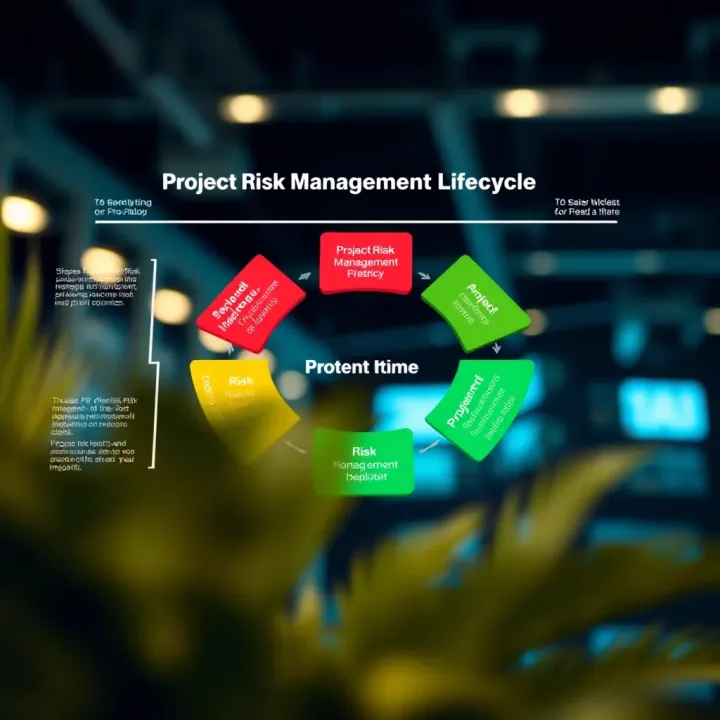
Project Risk Management Explained Simply
📊 Understand project risk management: learn to identify, assess, and manage risks effectively to meet project goals, avoid delays, and handle challenges confidently in Pakistan.
Edited By
Elizabeth Carter
In Pakistan’s fast-changing financial and business environment, risk management is more than just a necessity—it’s a survival guide. Whether you're trading stocks on the Pakistan Stock Exchange (PSX), managing investment portfolios, or overseeing operations in manufacturing, understanding how to spot and handle risks effectively can save millions of rupees.
Risk management involves identifying potential threats to assets or operations, assessing their impact, and applying strategies to minimise losses. This approach doesn't only apply to large firms—small traders and investors can also benefit hugely by learning to protect their capital from market swings and operational glitches.

For example, a stock trader in Karachi might use stop-loss orders to cap potential losses during volatile market sessions. In contrast, a manufacturing unit in Faisalabad may focus on machinery maintenance schedules to avoid costly breakdowns impacting production timelines.
Proper risk management reduces surprises and helps maintain steady growth in an uncertain environment.
Key sectors practising risk management account for different hazards:
Financial Risks: Price fluctuations, credit defaults, and liquidity issues are central concerns for investors and corporate treasuries. Risk management here often involves diversification, hedging with derivatives (where regulated by the SECP), and prudent credit assessment.
Operational Risks: Pakistani businesses face supply chain disruptions due to factors like loadshedding or geo-political changes. Planning for alternate suppliers, inventory buffers, and staff training are common tactics.
Health and Safety Risks: Compliance with Pakistan’s labour laws and industry standards helps organisations prevent workplace accidents. This includes regular safety drills, PPE provisioning, and health checks.
Project Management Risks: For construction or IT projects, delays and budget overruns are typical issues. Careful milestone tracking, stakeholder communication, and contingency budgeting guard against these.
By studying practical examples specific to Pakistan, finance professionals and traders can apply tested risk management strategies to safeguard investments and optimise decisions. The following sections detail real-world applications, aiming to boost your confidence in navigating risks whether in stocks, business operations, or project execution.
Understanding the basic principles of risk management is essential for anyone involved in trading, investing, or finance-related decision-making. Managing risks effectively helps organisations and individuals protect capital, avoid losses, and seize opportunities with confidence. For example, a trader managing currency exchange rates must grasp risk management fundamentals to prevent overnight losses due to market fluctuations.
Risk management involves identifying, assessing, and taking steps to control potential threats that could derail business objectives or investments. It’s not just about avoidance; it’s about making informed choices and preparing for uncertainties. By having a clear plan, an investor can limit losses during market downturns or a business can continue operating during disruptions like loadshedding or supply chain hiccups.
Effective risk management turns unpredictable challenges into manageable tasks, giving decision-makers greater control over outcomes.
Financial risks are probably the most visible to investors and traders. These risks include currency fluctuations, credit defaults, and liquidity shortages that can directly impact a company’s bottom line or an investor’s portfolio. For example, a textile exporter in Karachi might face sudden rupee devaluation affecting the value of foreign receivables, while a bank must assess a borrower’s creditworthiness to avoid non-performing loans.
Financial risk management strategies like hedging with forward contracts or diversification of assets can reduce exposure. In Pakistan’s volatile financial climate, ignoring these risks can lead to significant losses.
Operational risks come from day-to-day business activities. These could be equipment failure, human error, or external events such as power outages. Imagine a manufacturing unit in Faisalabad that loses production hours due to unscheduled loadshedding—without backup generators or contingency plans, costs escalate and deadlines slip.
Practical responses include process automation, staff training, and investing in reliable infrastructure. Controlling operational risks ensures smoother business continuity despite unpredictable challenges.
Compliance risks arise if organisations fail to meet legal, regulatory, or tax requirements. For firms listed on the Pakistan Stock Exchange (PSX), adherence to Securities and Exchange Commission of Pakistan (SECP) rules is mandatory. Similarly, banks must comply with Federal Board of Revenue (FBR) guidelines to avoid penalties.
Non-compliance can lead to fines, legal action, and damage to corporate reputation. Regular audits, updating policies according to new laws, and staff awareness training help manage these risks effectively.
Reputational risk impacts stakeholder trust and market standing. Negative publicity, poor customer service, or association with scandals can harm a brand. For example, a food delivery company facing complaints about hygiene might see a drop in orders.
To manage reputational risk, companies should actively monitor social media, respond promptly to customer feedback, and maintain high quality standards. This protects long-term viability and investor confidence.
Each type of risk demands specific attention, but understanding them together helps form a comprehensive risk management approach that keeps businesses resilient and investors well-prepared.
Financial risk management plays a vital role in protecting organisations from unexpected monetary losses. For traders, investors, and finance professionals in Pakistan, managing these risks ensures smoother operations and better financial stability. Practical examples include strategies to handle currency fluctuations and credit risks, both common challenges in the Pakistani market.

Managing currency risk is crucial for businesses dealing with imports, exports, or foreign investments. Hedging strategies help minimise the impact of exchange rate swings by locking in costs or income in advance. For instance, a textile exporter in Faisalabad might use currency options to secure the exchange rate against the US dollar, ensuring stable earnings despite market volatility.
Such strategies provide predictability and protect profit margins. However, they require a clear understanding of market trends and potential costs, so firms often engage experts or financial institutions to guide these hedging activities.
Forward contracts are a popular tool in Pakistani markets to manage currency risk. These contracts fix the exchange rate for a specific future date, allowing businesses to budget accurately without fearing currency depreciation or appreciation. For example, a Karachi-based importer of machinery might enter a forward contract to pay for equipment six months ahead at today's rate, avoiding unexpected rupee devaluation.
This mechanism is straightforward and widely offered by banks in Pakistan. It suits companies with fixed payment schedules but doesn’t require upfront payment, enhancing cash flow management.
Assessing credit risk starts by evaluating the borrower's creditworthiness. Banks and lenders in Pakistan routinely check a borrower's financial history, income sources, and credit reports from the Pakistan Credit Bureau. This evaluation helps predict the likelihood of loan repayment, allowing banks to set appropriate interest rates or loan limits.
For instance, a small business applying for a loan through a commercial bank must provide audited financial statements and CNIC copies to help the institution gauge its repayment ability. Proper assessment reduces non-performing loans and safeguards the lender's capital.
Collateral offers security against potential defaults. In Pakistan, collateral can be property documents, machinery, or bank guarantees. This mitigates the lender’s risk as the asset can be seized or auctioned in case of non-repayment.
Take a medium-sized manufacturing firm in Lahore securing a loan with its factory land as collateral. This backing not only increases loan approval chances but often results in lower interest rates. It also encourages borrowers to meet obligations promptly since default risks losing valuable assets.
Effective financial risk management is about balancing protection and cost. Practical tools like hedging, forward contracts, credit checks, and collateral ensure businesses operate securely amid Pakistan's economic uncertainties.
Operational risks can seriously affect business continuity and profitability in Pakistan. These risks stem from day-to-day activities, often outside financial or compliance areas, yet they remain vital to manage. Pakistani firms face unique challenges, including frequent power outages and supply chain disruptions, which require robust operational risk strategies.
Power outages, or loadshedding, remain a constant obstacle for businesses across Pakistan. To cope, many companies invest in backup power solutions such as generators and uninterruptible power supplies (UPS). These tools keep critical operations running during blackouts, thus avoiding costly downtime.
Backup power is especially important for manufacturing units and data centres where interruptions can lead to equipment damage or data loss. For example, a textile factory in Faisalabad might maintain diesel generators capable of powering machinery for several hours, ensuring production targets are met despite loadshedding.
In addition to physical solutions, contingency planning prepares businesses for unexpected outages. This includes scheduling shifts to coincide with power availability or outsourcing key processes temporarily. Contingency plans ensure that teams know how to respond swiftly and minimise operational impact.
A clear contingency plan could outline steps such as switching to manual processes, reducing non-essential power consumption, and coordinating with suppliers or customers about potential delays. This strategic readiness helps firms avoid chaotic shutdowns and keeps stakeholder confidence intact.
Supply chain disruptions in Pakistan often arise from transportation bottlenecks, political unrest, or import delays. Vendor diversification is a practical risk management approach that spreads supply risk across multiple partners rather than relying on a single source.
For instance, a Lahore-based electronics assembler might source components from suppliers in Karachi, Islamabad, and even nearby countries like China or Malaysia. This reduces vulnerability if one supplier faces disruption, allowing the business to maintain steady production.
Proper inventory management complements vendor diversification. Maintaining optimal stock levels guards against sudden shortages caused by delivery delays or customs holdups. Firms here balance lean inventory strategies with safety stock to remain flexible without excessive capital lock-up.
A retail chain in Islamabad might employ software to track real-time inventory, triggering automatic reorder points. Such systems help avoid overstocking perishable goods while ensuring customer demands are met consistently, despite hiccups in the supply chain.
Operational risk management in Pakistan demands practical, locally adapted solutions. By tackling loadshedding with backup power and contingency plans, and by securing supply chains through vendor diversification plus smart inventory control, businesses can strengthen resilience in an unpredictable environment.
Health and Safety Risk Management is a vital part of protecting employees and maintaining smooth operations in any organisation. In the Pakistani business context, companies must address workplace hazards and public health issues to avoid costly disruptions and legal penalties. Traders and investors benefit indirectly as firms with strong health and safety standards tend to have better reputations and operational resilience.
Safety training educates employees about recognising risks and following protocols to avoid accidents. For example, a manufacturing firm in Faisalabad may conduct regular sessions to train workers on handling machinery safely and responding promptly to emergencies like fires or chemical spills. This training reduces workplace injuries, ensures legal compliance, and limits downtime caused by accidents.
Such programmes often include practical drills and refreshers to keep safety awareness high. Besides direct workers, supervisors and management also need training to enforce protocols properly and react effectively during incidents.
PPE is the first line of defence for employees exposed to physical, chemical, or biological hazards. In industries like construction or pharmaceuticals in Pakistan, providing gloves, masks, helmets, and eye protection is not just a legal obligation but crucial for preventing injuries and illnesses.
Employers must ensure that PPE meets safety standards and is used consistently. Regular checks and training on the correct use of PPE improve protection and reduce risks of long-term health issues among workers.
The Covid-19 pandemic showed how quickly health emergencies can disrupt business activities. Many Pakistani companies adopted protocols such as mandatory mask-wearing, social distancing, sanitisation stations, and staggered shifts to limit virus spread. These measures kept employees safe and allowed critical work like trading and financial services to continue.
Even now, maintaining Covid-19 awareness helps organisations manage future health risks and builds confidence among clients and partners.
Regular health checks and symptom monitoring serve as an early warning system for outbreaks or chronic illnesses. For example, banks and trading firms in Karachi may implement daily temperature checks and health questionnaires to catch illness early and arrange timely medical care.
This reduces absenteeism and protects the workforce's overall well-being. In the longer term, health monitoring supports workplace productivity by promoting a healthier, more engaged staff.
Effective health and safety risk management is not only about compliance but safeguarding the business's continuity and reputation among stakeholders.
Through proactive training, proper PPE utilisation, and robust responses to public health issues, organisations in Pakistan can build stronger defences against health-related risks, ensuring stability and trust in their operations.
Managing risks in project execution is essential to meet deadlines, stay within budget, and deliver quality outcomes. Projects, whether in construction, IT, or manufacturing, face uncertainties that can disrupt progress. Effective risk management helps identify potential issues before they become serious problems, allowing for timely interventions. For instance, a construction firm in Lahore might face sudden material shortages or permit delays which, if not planned for early, can lead to costly overruns.
A risk register is a practical tool used to list and track potential project risks. It includes details such as the nature of the risk, its likelihood, potential impact, and mitigation plans. Developing this register at the start allows teams to recognise threats specific to their project environment. For example, in a software project, risks like changing user requirements or technology failures should be logged with clear ownership to ensure follow-up.
By regularly updating the risk register, project managers maintain a living document that reflects current project challenges. This approach avoids surprises and ensures that risk responses align with evolving project conditions.
Frequent risk assessments ensure that new risks are captured and existing ones re-evaluated. The dynamic nature of projects means risks can emerge at any time, so scheduled assessments, say every fortnight, keep the team alert. In Pakistan’s fast-moving industrial sectors, factors like political shifts or currency fluctuations can suddenly affect project costs, making ongoing evaluation necessary.
These assessments often involve risk rating workshops where team members analyse the severity and probability, helping prioritise which risks need immediate attention. This proactive stance reduces disruptions and keeps the project on track.
Proper allocation of resources—labour, materials, and equipment—directly affects project timelines and expenses. Assigning the right number of skilled workers or securing timely material delivery prevents bottlenecks. For example, a civil engineering project in Islamabad that schedules equipment use inefficiently may face avoidable delays and increased costs.
Project managers should match resources to project phases based on workload forecasts. This helps balance budgets without excess staff or idle machinery, both of which inflate costs unnecessarily.
Tracking the project’s progress through regular status updates and milestones allows early detection of slowdowns. Techniques like Gantt charts or software tools tailored for project management help visualise timelines and dependencies. For instance, using Microsoft Project or Primavera, teams can flag tasks running behind schedule and adjust accordingly.
Besides tracking task completion, monitoring cash flow against budget forecasts prevents financial surprises. This dual focus on time and money delivery supports informed decision-making, reducing the risk of project failure.
Consistent risk management practices in project execution yield better control over outcomes, ensuring projects deliver on scope, time, and cost goals despite uncertainties.
In the Pakistani context, where infrastructure projects and IT developments must cope with challenges like load shedding, inflation, and regulatory changes, adopting these risk management steps can make a significant difference in success rates.
📊 Understand project risk management: learn to identify, assess, and manage risks effectively to meet project goals, avoid delays, and handle challenges confidently in Pakistan.
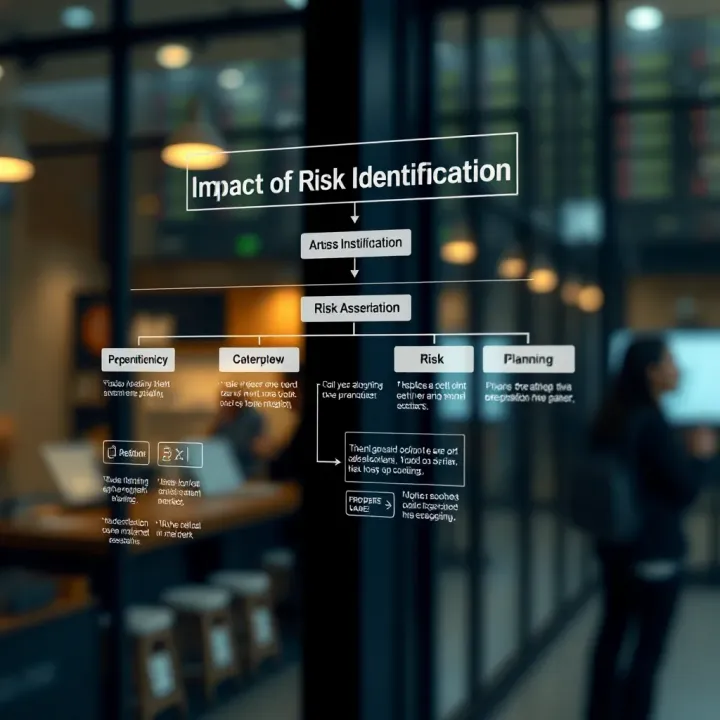
📊 Understand the various types of risks in risk management that affect finance, reputation, operations, and legal aspects for effective planning and mitigation in Pakistan.
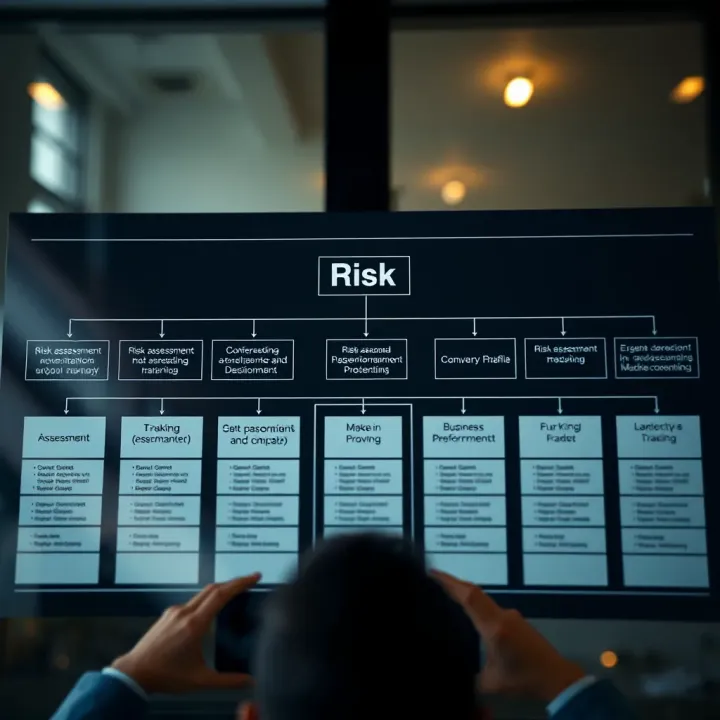
🔍 Learn how risk management tools help Pakistani businesses spot, assess, and reduce risks effectively. Make smarter decisions and protect your investments today.
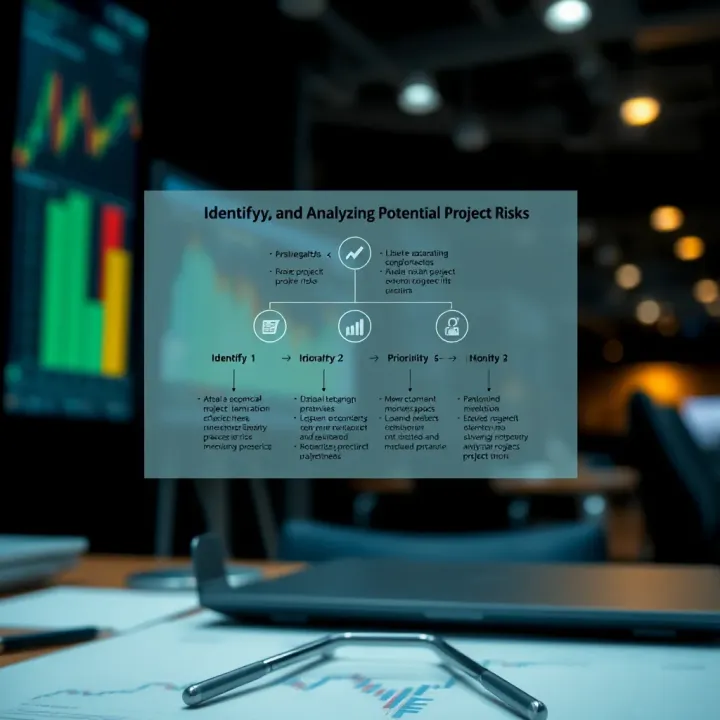
📊 Learn how to identify, assess, and manage project risks effectively in Pakistan. This guide helps teams reduce delays and control costs for smoother project delivery.
Based on 5 reviews