
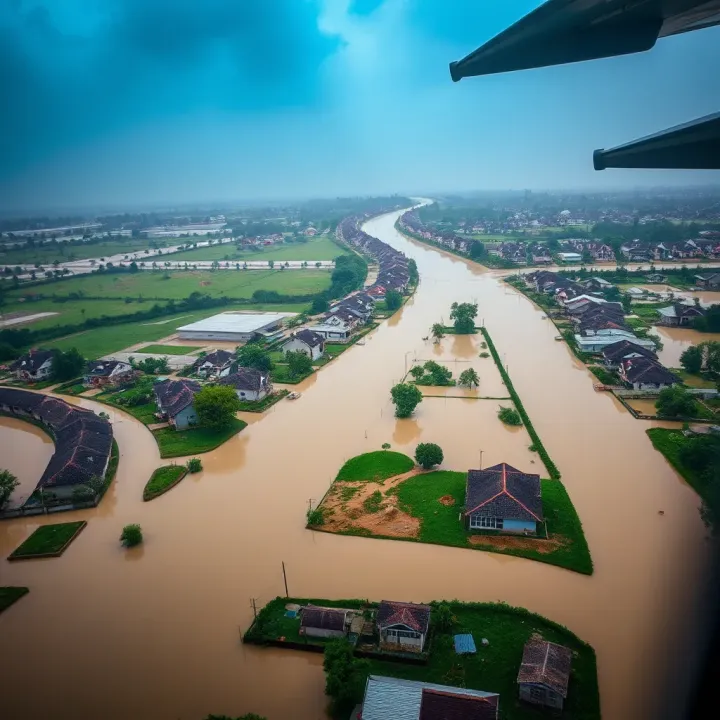
Disaster Risk Management in Pakistan: Issues and Solutions
🌪️ Disaster Risk Management in Pakistan faces unique challenges from floods to earthquakes. Explore strategies, community roles, and tech to boost resilience 🔍
Edited By
Thomas Clarke
Disaster risk management (DRM) in Pakistan is more than just emergency response; it involves a broad range of activities aimed at reducing risks, preparing communities, and ensuring swift recovery. With Pakistan’s vulnerability to floods, earthquakes, droughts, and industrial accidents, proactive strategies are essential to protect lives and investments.
Effective DRM begins with identifying hazards and assessing the potential impact on vulnerable sectors such as agriculture, infrastructure, and urban settlements. Traders and investors should pay attention to these risk assessments, as they directly affect market stability and business continuity.
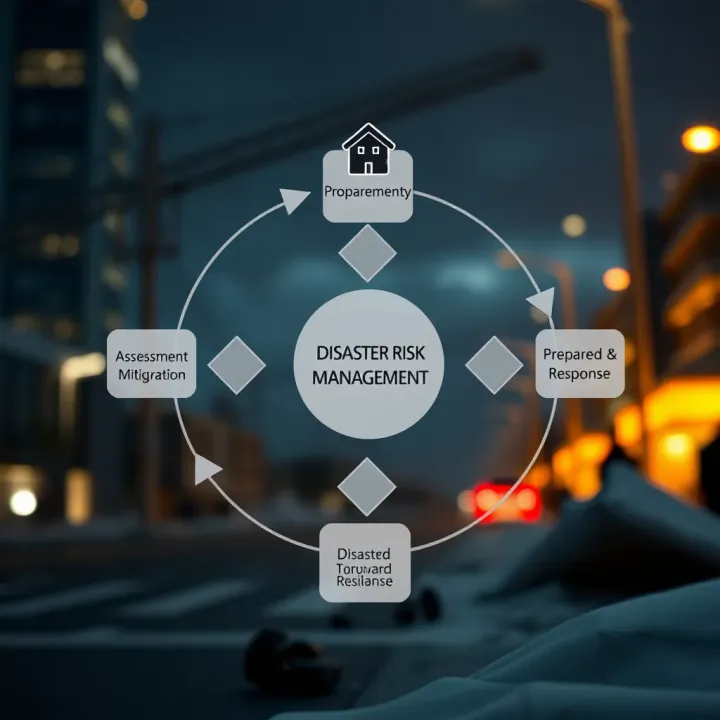
Resilience is built by understanding risks, coordinating early warning systems, and investing in capacity building—not just by responding after disasters strike.
Risk Assessment and Mapping: Using local data and satellite imagery helps spot high-risk zones, guiding where businesses should avoid heavy investment or where to reinforce infrastructure.
Early Warning Systems: Timely alerts for floods or earthquakes can prevent losses by allowing stakeholders to adjust operations or protect assets.
Community Capacity Building: Training local populations and business owners on disaster readiness reduces reliance on government aid and speeds recovery.
Policy and Governance: Strong policies at federal and provincial levels improve coordination, fund allocation, and enforcement of safety standards.
Investors should consider DRM frameworks when evaluating projects, especially in sectors like real estate, manufacturing, and transport. Understanding insurance provisions and post-disaster recovery plans can protect capital and ensure quicker return on investment.
In Pakistan’s context, integrating DRM into business planning not only safeguards assets but also demonstrates corporate social responsibility, improving reputation among clients and regulators.
This section aims to equip you with a clear understanding of disaster risk management essentials so that you can navigate challenges more confidently and contribute to building resilient economic systems.
Understanding disaster risk and its components is vital for effective management aimed at reducing losses and safeguarding communities. For investors and finance professionals, grasping these elements helps assess potential impacts on assets, markets, and economic stability. Knowing how hazards, vulnerabilities, and exposures interact allows better forecasting and risk mitigation decisions.
Disaster risk management (DRM) covers a range of activities intended to prepare, prevent, respond to, and recover from natural or human-made hazards. Its main goal is reducing negative effects on people, property, and economic activities. In practice, DRM aims to build resilience and ensure speedy restoration of normalcy. For financial stakeholders, this means protecting investments and maintaining market confidence during crises.
DRM deals with floods, earthquakes, droughts, industrial accidents, and pandemics—events frequent in Pakistan. For example, monsoon floods disrupt supply chains and damage infrastructure affecting corporate operations across Karachi and Punjab. Understanding the disaster types and their frequency helps investors gauge sectoral risks and prioritise contingency planning.
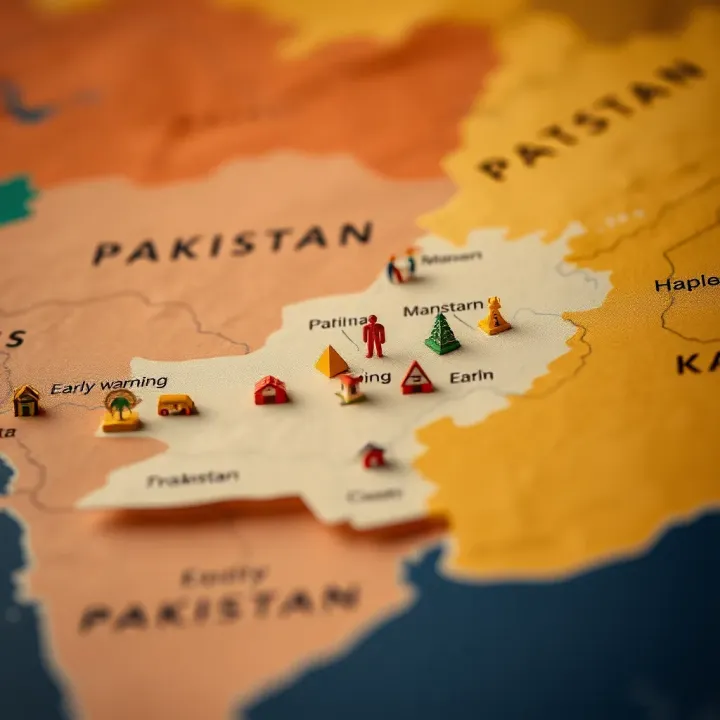
A hazard is a potential threat, such as an earthquake zone near Islamabad. Vulnerability reflects how susceptible people or assets are—for instance, poorly constructed buildings worsen the impact of tremors. Exposure measures who or what lies in harm’s way, such as population density in flood-prone areas of Sindh. Understanding these three helps identify weak points where risk can be reduced, critical for portfolio risk assessments.
Risk assessment combines hazard probability and potential consequences to estimate overall risk. It involves collecting data like historical flood levels or industrial hazard maps for Karachi's port areas. Assessing this risk guides decisions to relocate operations, strengthen infrastructure, or buy insurance, ultimately reducing financial losses.
Resilience is the ability to absorb shocks and recover quickly. For businesses, this means having backup power during loadshedding or diversified supply chains when roads flood. Resilience reduces downtime and losses, protecting shareholder value. Investing in resilience measures like disaster-proof designs or community training enhances long-term sustainability and market trust.
Understanding disaster risk components allows stakeholders to take targeted actions, reducing financial exposure and ensuring quicker recovery in emergencies.
Reducing disaster risks is about identifying potential threats and taking steps to lessen their impact before they strike. For traders, investors, and finance professionals, understanding these approaches helps make better decisions, especially when allocating capital to projects or regions vulnerable to natural hazards. Effective risk reduction minimises economic losses, stabilises supply chains, and ensures smoother business operations.
Geospatial tools and technologies involve using satellite data, Geographic Information Systems (GIS), and remote sensing to map hazard-prone areas. These technologies help pinpoint flood zones, seismic fault lines, or drought-affected regions with precision. In Pakistan, agencies like the National Institute of Disaster Management use these tools to analyse satellite imagery and produce detailed hazard maps. This data supports early warning efforts, enabling businesses and communities to prepare better.
Hazard mapping in Pakistan focuses on identifying regions prone to earthquakes, floods, landslides, and cyclones—common threats for the country. For example, northern Pakistan lies on a seismic fault zone, while Sindh and Punjab face seasonal floods. These maps influence insurance premiums, urban development plans, and emergency preparedness measures. Traders exporting goods from flood-prone areas can use this info to anticipate delays or damage risks.
Infrastructure resilient to disasters means designing buildings, roads, and utilities that can withstand hazards. In Karachi and Islamabad, newer constructions incorporate quake-resistant techniques as per updated building codes. Resilient infrastructure reduces repair costs and keeps supply chains running during crises. For business hubs, investing in such infrastructure safeguards property and livelihoods against unexpected shocks.
Land-use planning and regulations restrict certain activities in high-risk zones to limit damage. Zoning laws in Pakistan's federal and provincial capitals regulate construction near riverbanks or unstable hillsides. These rules often prevent haphazard urban sprawl into vulnerable areas, reducing exposure. For investors, such regulations signal safer investment environments and can affect property values.
Education and training programmes raise awareness on disaster risks and response actions. NGOs and government bodies run drills, workshops, and campaigns teaching communities to identify warning signs and respond quickly. For workplaces and markets, these programmes ensure staff know evacuation routes and first aid basics, limiting panic and injury.
Role of local organisations is vital in mobilising resources and disseminating information at the grassroots level. Mohalla committees and welfare groups in Pakistan often coordinate relief efforts and spread alerts tailored to their community’s needs. Their local knowledge complements official efforts, making disaster management more effective. Engaging such organisations can help businesses build resilient ties with the community and ensure quicker recovery after events.
Taking proactive steps in risk identification, infrastructure resilience, and community readiness significantly lowers disaster impacts. For the financial and business sectors, these approaches not only protect investments but also stabilise markets and foster sustainable growth.
Institutional frameworks and policies form the backbone of disaster risk management in Pakistan, ensuring coordinated efforts across various levels of government and society. They provide the necessary structure to plan, respond, and recover from disasters effectively. This system helps mitigate the impact of natural and man-made hazards, safeguarding lives, property, and economic activities that are critical for traders and investors alike.
National Disaster Management Authority (NDMA) stands at the forefront of Pakistan’s disaster management efforts. Established as the federal-level agency, NDMA is responsible for formulating policies, coordinating national response, and overseeing preparedness programmes. Its role is especially vital during large-scale emergencies, such as floods or earthquakes, where centralised command and timely decision-making can save thousands of lives and reduce economic disruptions. For example, NDMA’s coordination during the 2010 floods helped channel relief efforts and maintain supply chains critical for business continuity.
Provincial Disaster Management Authorities (PDMAs) operate at the provincial level to implement NDMA’s directives tailored to local needs. Each province, including Punjab, Sindh, Khyber Pakhtunkhwa, and Balochistan, has its PDMA responsible for hazard mapping, public awareness, and emergency response within their jurisdictions. These authorities ensure swift action in areas prone to natural disasters and coordinate with local governments and communities. For traders and investors, the PDMAs’ work in maintaining regional stability and infrastructure resilience is crucial for uninterrupted operations and risk reduction.
The National Disaster Management Act of 2010 provides the legal foundation for institutionalising disaster management across Pakistan. It details the roles and responsibilities of NDMA, PDMAs, and district-level bodies. This act empowers authorities to enforce disaster preparedness, response measures, and resource allocations efficiently. Its relevance extends to the private sector by promoting mandatory risk mitigation practices, which can influence investment security and insurance policies.
Linkages with development policies ensure that disaster risk reduction becomes part of Pakistan’s broader socio-economic progress. Integrating risk management with urban planning, infrastructure projects, and environmental regulation helps minimise vulnerabilities over the long term. For instance, the act guides the inclusion of disaster-resilient features in construction and land-use planning, benefiting real estate investors and infrastructure developers. This alignment safeguards investments by reducing the likelihood of heavy losses from disasters.
A strong institutional and legal framework not only supports emergency response but also builds investor confidence by reducing uncertainties linked to natural and human-made hazards.
In summary, Pakistan’s layered institutional setup and clear legal provisions offer a practical and systematic approach to managing disaster risks. For traders and investors, understanding these frameworks helps assess risk exposure and encourages strategies that bolster resilience at every level of business and community life.
Response mechanisms and recovery planning are vital to reduce the impact of disasters and restore normalcy quickly. In Pakistan's context, timely and effective response can save lives and limit economic losses, especially for traders and investors whose businesses depend on stable infrastructure and uninterrupted operations.
Use of technology for alerts: Modern technology has transformed how warnings reach communities. Pakistan uses SMS alerts, mobile apps, and radio broadcasts to warn people about floods, earthquakes, or heatwaves. For instance, the Pakistan Meteorological Department issues cyclone warnings through mobile messages, giving residents time to prepare or evacuate. Such alerts enable businesses to protect assets, reroute supply chains, or pause operations to avoid damage.
Coordination among first responders: Efficient disaster response depends on coordination between agencies like the National Disaster Management Authority (NDMA), local rescue teams, police, and health services. Regular drills and communication protocols help these groups share information and avoid confusion during crises. For traders and investors, coordinated efforts reduce disruption length and ensure quick restoration of essential services like electricity and transport.
Damage assessment methods: Accurate damage assessments guide recovery priorities and resource allocation. After events like floods, teams use drones, satellite images, and ground surveys to evaluate damages to roads, markets, and homes. Quick assessments help authorities decide whether to rebuild, repair, or relocate infrastructure, ensuring investments support resilient rebuilding.
Rebuilding livelihoods and infrastructure: Recovery is not just about fixing buildings but restoring economic activities. In flood-hit areas of Sindh, rehabilitation programmes include providing loans to small businesses, reconstructing marketplaces with flood-resistant designs, and offering skills training for alternative livelihoods. Such measures help communities and traders bounce back faster and reduce vulnerability to future shocks.
Efficient response and recovery planning protect both lives and livelihoods, making it essential for investors, traders, and policymakers to support and participate in disaster readiness initiatives.
By focusing on early warning technology, coordinated emergency response, accurate damage assessment, and resilient reconstruction, Pakistan can improve its disaster resilience, protecting economic stability and public welfare alike.
🌪️ Disaster Risk Management in Pakistan faces unique challenges from floods to earthquakes. Explore strategies, community roles, and tech to boost resilience 🔍

Learn top strategies for risk management in business and finance to protect assets, reduce losses, and make informed decisions in Pakistan's market ⚖️📊

Explore practical examples of risk management in finance, health, operations, and projects to protect assets, ensure compliance, and support smart business decisions in Pakistan 🇵🇰
📊 Understand project risk management: learn to identify, assess, and manage risks effectively to meet project goals, avoid delays, and handle challenges confidently in Pakistan.
Based on 8 reviews