
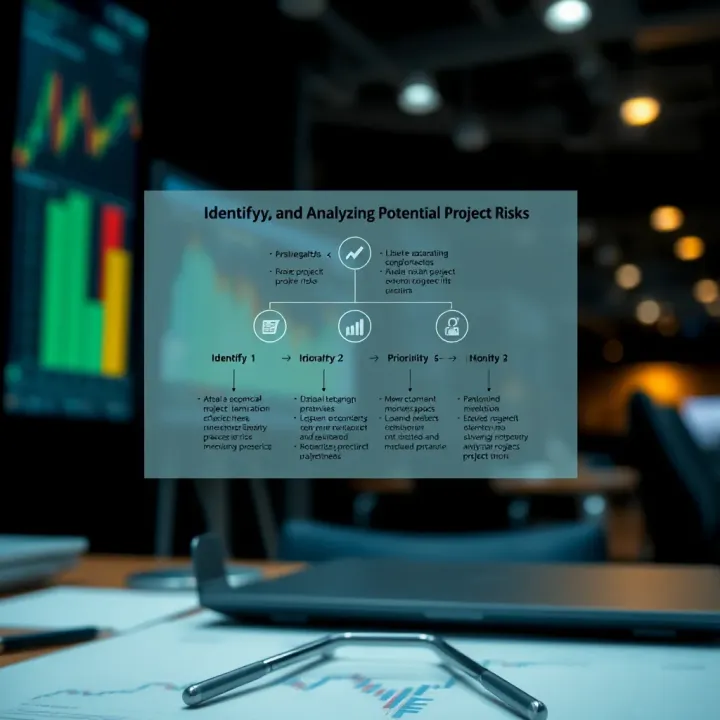
Project Risk Management Process Guide
📊 Learn how to identify, assess, and manage project risks effectively in Pakistan. This guide helps teams reduce delays and control costs for smoother project delivery.
Edited By
Emily Foster
Project risk management is about spotting potential problems that might mess up a project before they actually happen. It’s not just guesswork — it involves a clear process of identifying, analysing, and managing risks so project goals stay on track. This is especially important in Pakistan's fast-paced business environment, where external factors like power cuts, fluctuating currency rates, and supply chain delays can hit projects hard.
Managing project risks isn't just for big corporations; traders, investors, and finance professionals all deal with risks every day, whether it's market volatility or regulatory changes. Understanding how to approach risks methodically can save time, money, and avoid unexpected losses.
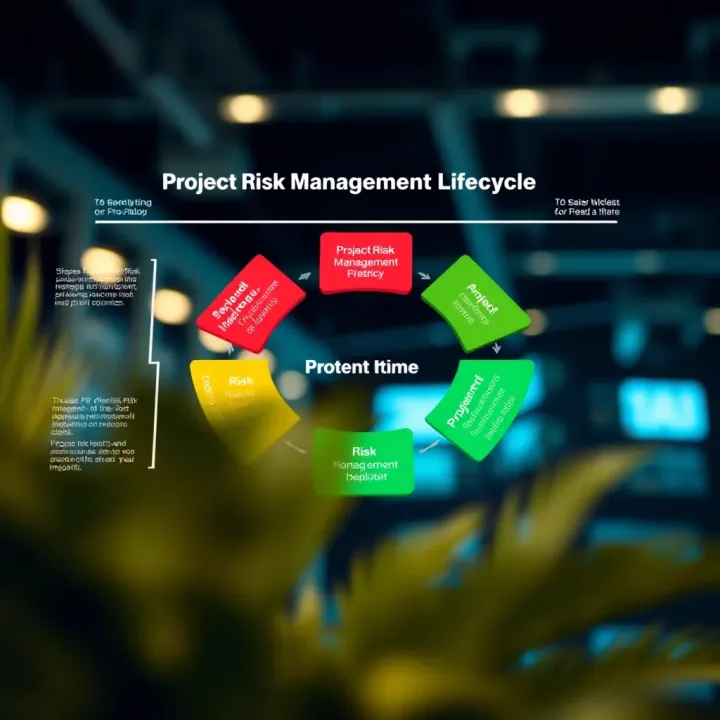
Effective risk management helps prevent surprises that could derail your project, improves decision-making, and boosts confidence among stakeholders.
Without a risk plan, projects often face delays, increased costs, and poor quality outcomes. For example, a construction project in Faisalabad might get delayed due to unforeseen supply shortages or increased material prices. Identifying such risks early can lead to solutions like alternative suppliers or budget contingency.
Risk Identification: Spot possible risks before they turn into a problem. This could be political instability or sudden regulatory updates in Pakistan affecting imports.
Risk Assessment: Evaluate how likely these risks are and their potential impact on time, cost, and scope.
Risk Response Planning: Decide how to handle risks — avoid, mitigate, transfer, or accept.
Monitoring and Controlling: Keep an eye on known risks and watch out for new ones throughout the project.
Consider an investor planning to back a tech startup in Karachi. The risk factors might include changes in tax policy by the Federal Board of Revenue (FBR), delays in software development, or difficulty in hiring qualified staff. By identifying these risks early, the investor might negotiate contract terms, allocate funds for delays, or hire local experts to reduce uncertainty.
Understanding and applying project risk management can significantly improve chances of success. It lets you prepare for the unexpected and keeps the project aligned with its objectives despite challenges. This approach is vital not only for project managers but for anyone involved in Pakistan's dynamic markets and business sectors.
Understanding what project risk management involves is key to keeping projects on track, especially in Pakistan's dynamic business environment. At its core, project risk management means detecting potential issues that could disrupt project objectives, assessing their likelihood and impact, and deciding how to respond. This proactive approach helps project teams avoid costly delays or failures.
Projects naturally face uncertainty because no plan ever fits perfectly with reality. This uncertainty comes from changes in market conditions, resource availability, or even unexpected regulatory developments. Take infrastructure projects in Karachi, for example — sudden shortages in construction materials or unplanned loadshedding can derail progress if risks aren’t identified early.
Risks come from inside and outside the project. Internal risks include things like team turnover or errors in cost estimation, while external risks could be political instability, currency fluctuations, or environmental factors such as monsoon flooding. In Pakistan, projects often face external pressures like government policy shifts or economic sanctions, making it all the more important to spot and manage these risks well.
Ignoring risks can wreak havoc on timelines, budgets, or even the overall feasibility of a project. For example, failure to account for supply chain disruptions could inflate costs dramatically or cause missed deadlines. Proper risk management lets teams act before problems grow, safeguarding the project's goals.
Stakeholders—from investors to clients and vendors—expect transparency and control over what could go wrong. Managing risks ensures that everyone involved knows the possible hurdles and how they’ll be handled. This builds trust and confidence, crucial factors for project buy-in and smooth execution.
Effective project risk management isn’t just about avoiding trouble; it’s about making informed choices that keep projects moving forward efficiently, especially in complex markets like Pakistan.
By clearly defining what risks exist and why they matter, project managers can create grounded strategies that respond to real challenges rather than guesswork.
Core processes form the backbone of effective project risk management. They help identify potential pitfalls early, analyse their impact, and plan suitable responses to safeguard project objectives. In Pakistan’s business environment, where projects often face fluctuating economic conditions and regulatory challenges, mastering these processes becomes essential to avoid costly surprises.
Brainstorming sessions allow project teams to pool diverse perspectives and surface risks that might not appear through formal tools alone. For instance, during a construction project in Karachi, brainstorming with local contractors and engineers may reveal site-specific risks like frequent gas supply interruptions affecting machinery. Such discussions prompt proactive measures before the issues escalate.
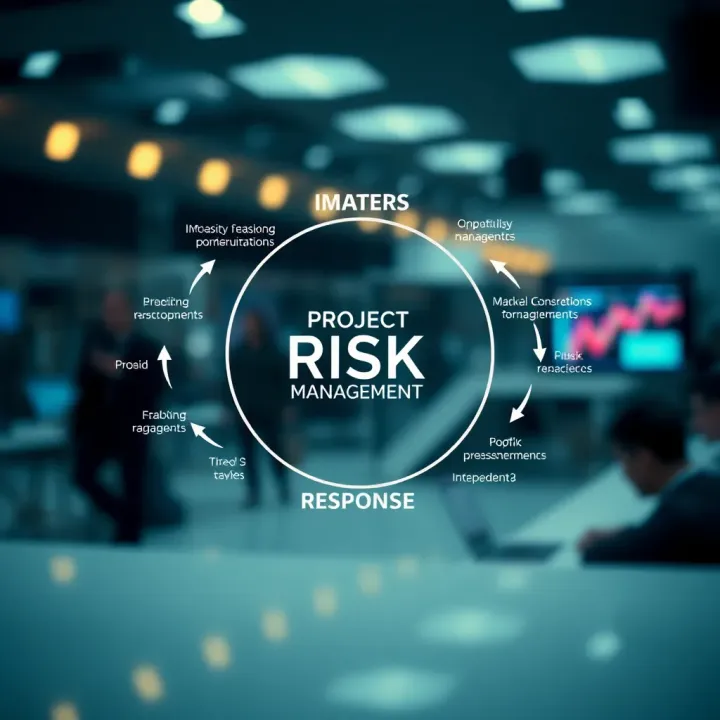
Checklists and templates relevant to Pakistani projects offer structured guidance by outlining common risks encountered in local contexts. These might include challenges like delays due to petrol shortages or permit approvals in cantonment areas. Using checklists developed from past project experiences helps teams avoid overlooking practical risks that are unique to the Pakistani setting.
Use of expert judgement involves consulting experienced professionals who understand both the technical and socio-political landscape. When launching a supply chain project for textile exports in Faisalabad, experts can assess risks such as customs clearance delays or compliance with export regulations. Their insights complement data-driven approaches and enrich the identification process.
Qualitative analysis focuses on evaluating risks based on their likelihood and potential impact, usually through scoring or categorisation. This method suits projects with limited data, like small-scale real estate deals in Islamabad, helping prioritise risks such as market demand fluctuations or price inflation.
Quantitative analysis uses numerical techniques, such as Monte Carlo simulations or sensitivity analysis, to measure risk exposure precisely. Large infrastructure projects under CPEC often apply quantitative methods to estimate financial risks tied to currency devaluation or material cost increases, enabling more accurate budgeting.
Prioritising risks helps teams focus resources on threats that could derail the project most severely. Prioritisation often follows risk ranking, where high-impact and high-probability risks—such as energy shortages affecting manufacturing plants in Punjab—are addressed first to reduce vulnerability.
Avoidance means changing the project plan to eliminate the risk source. For example, if a telecom rollout in rural Sindh is prone to theft of equipment, the project might avoid certain high-risk regions or adjust schedules to safer seasons.
Mitigation involves reducing the risk impact through actions like enhanced security or backup power solutions. A software development project in Lahore can mitigate risks of data loss by implementing frequent backups and cloud-based recovery.
Transfer and acceptance handle risks either by passing them to third parties—often via insurance or contracts—or acknowledging the risk as tolerable. Construction firms often transfer risks through formal contracts assigning responsibility for delays. In contrast, small ventures might accept minor risks like vendor delays as part of doing business.
Effective risk management requires thorough identification, realistic analysis, and practical response planning. Ignoring any core process invites larger issues later on.
Employing these core processes purposely can significantly boost the chances of completing projects within time and budget, directly impacting financial returns and stakeholder confidence in Pakistan’s dynamic market.
Integrating risk management into each phase of a project ensures risks are addressed proactively, rather than reacting when problems arise. It links risk handling closely with project activities, which improves decision-making and resource allocation. For investors or traders involved in financing projects, this approach can prevent unexpected setbacks that might affect returns or timelines.
Setting risk tolerance involves deciding the amount and type of risk the project stakeholders can accept. For example, in infrastructure projects in Karachi, identifying the level of financial exposure the funders are willing to bear before seeking additional insurance or contingency funds is crucial. Clear risk tolerance helps focus efforts on risks that matter most and guides planning around acceptable limits.
Assigning risk owners means designating individuals responsible for monitoring and managing specific risks throughout the project. In a software rollout for a Pakistani bank, the risk owner for cybersecurity threats might be the IT lead, while the procurement manager handles supplier delays. Assigning ownership ensures quick action and accountability when risk events occur, reducing confusion.
Tracking risk triggers requires watching for early warning signs indicating a risk may be happening. For instance, in a construction project, frequent supplier payment delays could signal financial trouble, triggering mitigation steps. Tracking risks in real time allows the team to respond before the issue escalates.
Adapting response plans during execution is essential as projects often evolve. If, say, political unrest disrupts transport routes, the project team in Islamabad might switch to alternative suppliers or adjust timelines. Flexibility in responses minimises losses and keeps projects on track despite changing conditions.
Documenting outcomes involves recording what risks did occur and how well the responses worked. This formal record guides future projects and improves organisational knowledge. For Pakistani SMEs, compiling these lessons aids in building maturity in risk management practices.
Learning for future projects means analysing successes and mistakes to refine risk management processes. If a textile mill's export shipment suffered delays due to regulatory changes, noting this helps avoid similar issues later. Learning continuously fosters stronger project delivery and reduces surprises.
Integrating risk management throughout project phases transforms it from a checkbox task into an active safeguard. This mindset shift can save valuable time and money, especially in Pakistan’s dynamic project environment.
By embedding risk activities early and keeping them fluid, investors and professionals can navigate complexity more confidently, protecting both capital and project outcomes.
Managing risks in projects is never straightforward. Even with solid planning, several hurdles can weaken risk management efforts, especially in the Pakistani business context. Recognising common challenges helps project leaders improve risk handling, reduce surprises, and keep projects on track.
A major stumbling block is the lack of risk awareness among project teams. When team members cannot recognise potential risks, the project becomes vulnerable to unforeseen problems. For instance, if the team is unaware of political instability risk affecting supply chains in Karachi, sudden disruptions may derail progress without warning. This lack of readiness often leads to reactive rather than proactive responses, increasing delays and costs.
Proper training equips teams with the ability to spot and assess risks early. For example, training sessions that simulate real-life scenarios—like fluctuating exchange rates impacting imported materials—can prepare members to act faster. Without this, risk management remains a tick-box exercise rather than a vital part of project culture.
Creating a risk-aware culture makes risk management part of daily operations. This culture encourages open communication where team members share concerns about emerging risks without fear of blame. In Pakistani companies, establishing this mindset often requires leadership to emphasise learning from past mistakes openly, especially after challenging projects.
Regular risk workshops and leadership involvement reinforce this culture. For example, a project in Lahore’s construction sector introduced weekly risk review meetings that brought everyone from labour supervisors to contractors into discussions. This inclusive approach led to earlier detection of site hazards and fewer costly accidents.
Reliable data is the backbone of accurate risk assessment. Yet, many projects in Pakistan face poor data quality or outright gaps, making risk analysis tricky. For instance, small businesses might lack complete financial histories or market data, which challenges forecasting cash flow risks effectively.
This uncertainty complicates decision-making. Without clear numbers, prioritising risks or estimating their impact becomes guesswork. In financial projects, this can mean missing key warning signs like sudden changes in interest rates or regulatory shifts.
Despite limitations, many local data sources can be carefully leveraged to improve risk assessments. Government reports, trade statistics, and input from local experts provide valuable context. For example, WAPDA’s announcements about likely loadshedding hours help project teams plan work schedules and resource allocation more realistically.
Combining this local data with global trends sharpens risk insight. Projects in textile manufacturing used export data from Pakistan Bureau of Statistics and feedback from industry associations to foresee demand fluctuations. Even if numbers are not perfect, such resources provide a practical basis for risk decisions.
Effective project risk management depends on recognising common but often overlooked challenges like lack of awareness and poor data. Tackling these issues through training and local data use greatly improves a project’s chance of success.
By addressing these common challenges head-on, project managers and stakeholders can strengthen resilience against risks that frequently trip projects in Pakistan. This proactive approach ultimately leads to better project delivery and value for investors and partners.
Effective project risk management in Pakistan benefits greatly from the right tools and software. Using these tools helps streamline risk identification, analysis, and monitoring, reducing human error and improving decision-making under uncertainty. When projects involve multiple stakeholders, timelines, and resource constraints — typical in Pakistani infrastructure or IT sectors — software-driven risk tracking proves especially helpful.
Globally, several established software platforms dominate the risk management space. Tools like Microsoft Project, Oracle Primavera, and RiskWatch deliver powerful features for creating risk registers, performing qualitative and quantitative risk analysis, and generating reports. For example, Oracle Primavera is popular among construction firms managing large-scale projects, offering detailed resource and risk tracking tailored to complex timelines.
Another common global choice is @Risk, an add-in for Excel that enables probabilistic risk modelling through Monte Carlo simulations. This suits risk professionals who want to quantify uncertainties around costs or schedules precisely.
In Pakistan, many organisations use these international tools, but locally tailored solutions are also gaining ground. Software providers such as Confiz and Systems Limited offer project management and risk software customised for the Pakistani business environment. These platforms tend to bridge language preferences, regulatory compliance, and pricing considerations.
Additionally, freely accessible tools like Excel remain widely used due to their flexibility and low cost. Project managers often employ customised spreadsheets to track risk factors specific to local challenges, such as energy outages or vendor delays. Leveraging common tools alongside specialised software creates a practical balance for many Pakistani companies.
Adapting templates and software language to local use improves user engagement and accuracy. For instance, translating risk categories into Urdu or mixing in common project terms (like marla or kanal for land-related risk) helps teams relate risk concepts to their daily work. Localised templates can also highlight risks more prevalent in Pakistan such as suo-motu regulatory changes or fluctuating currency exchange rates.
When selecting risk management tools, it’s vital to assess project size and operating environment. Small or medium-sized enterprises may find advanced software expensive and complex, thus customised Excel sheets or lightweight applications often work better. Large projects—like those under the China-Pakistan Economic Corridor (CPEC)—require robust systems that handle vast datasets and numerous risk owners.
Environmental factors like frequent loadshedding, political instability, or supply chain disruptions also influence tool choice. Effective risk management demands software capable of frequent updates and real-time communication, helping teams adapt quickly to changing ground realities.
Using the right tools tailored to your projects in Pakistan improves risk visibility, enhances collaboration, and ultimately supports smoother project delivery even under uncertain conditions.
📊 Learn how to identify, assess, and manage project risks effectively in Pakistan. This guide helps teams reduce delays and control costs for smoother project delivery.
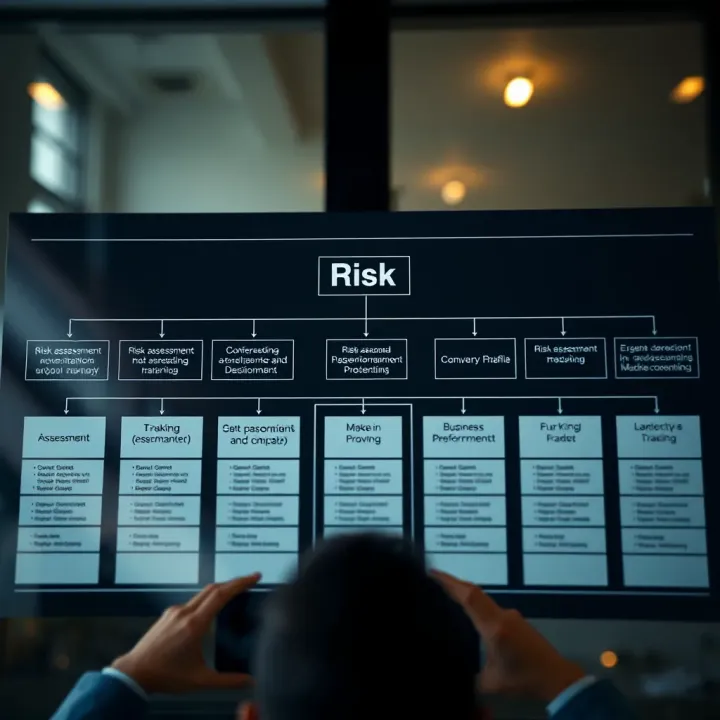
🔍 Learn how risk management tools help Pakistani businesses spot, assess, and reduce risks effectively. Make smarter decisions and protect your investments today.

🔢 Learn how hex to binary converters work and why they're vital in computing and electronics. Understand manual and digital conversion methods effectively.

📊 Risk management guides businesses and individuals to spot and tackle uncertainties, reducing losses and seizing chances for long-term stability in Pakistan’s changing climate.
Based on 12 reviews