
How to Trade Gold Online in Pakistan: A Practical Guide
💰 Learn how to trade gold online safely in Pakistan, explore popular platforms, understand taxation, and manage risks for a profitable experience in Rs and grams.
Edited By
James Carter
The price of one ton of gold in Pakistan hinges on several interlinked factors that traders, investors, and finance pros should keep an eye on. Understanding these elements can help you make clearer decisions whether you're investing directly in gold or watching the broader market.
Gold’s base price is set on international markets, mainly the New York Mercantile Exchange (COMEX) and the London Bullion Market. Traders worldwide influence this price, which moves every minute based on demand, geopolitical events, and global economic indicators. For instance, if inflation fears spike in the U.S., gold often gains value as a hedge against lost purchasing power.
Pakistan’s rupee value plays a huge role in local gold prices. When the rupee weakens against the U.S. dollar, gold becomes costlier in Pakistan because gold is priced globally in dollars. To illustrate, when the rupee dropped 15% last year, the local price for gold surged even though the global price remained relatively stable.
Pakistan’s domestic demand for gold—driven by cultural traditions, weddings, and festivals—creates fluctuating demand cycles. Traders keep a close watch during wedding seasons, where demand can spike substantially, causing short-term price increases.
The Pakistani government’s import regulations and tariffs influence gold's final price to consumers. Sudden adjustments in taxes or import duties can either soften or spike prices overnight. For example, a hike in import duty may push dealers to raise prices to maintain margins.
Tracking the price of one ton of gold in Pakistan means balancing international prices, currency shifts, domestic demand, and policy changes. Staying updated on all fronts gives a well-rounded view.
Monitor international gold prices on trusted platforms like COMEX or Kitco.
Follow currency exchange rates, especially USD/PKR, through financial news and forex websites.
Keep tabs on local news for government announcements affecting gold imports and taxes.
Watch market activity around key cultural dates that trigger buying trends.
Ultimately, understanding these pillars provides a solid foundation to navigate the often unpredictable gold market in Pakistan confidently.
The current market value of one ton of gold in Pakistan is a key focus for traders and investors keeping an eye on precious metals. It offers a clear snapshot of gold's worth amid local and international influences. Knowing this value helps investors calibrate decisions, whether they're buying physical gold or trading in gold-related securities.
Gold, measured in tons, is traded in the local market with prices heavily influenced by the Karachi Bullion Market and actual global gold rates. For example, if the international price per ounce jumps due to geopolitical tensions, Pakistan's gold price usually adjusts accordingly after factoring in import duties and currency exchange rates. This link makes the current market value a practical benchmark for anyone dealing with gold in Pakistan.
Recent months have shown fluctuations in the price of one ton of gold in Pakistan, reflecting broader economic shifts and market sentiments. For instance, during periods of currency depreciation, gold prices tend to rise, as investors look for a safer store of value compared to the Pakistani Rupee.
As of mid-2024, the gold price locally has seen steady increases, with rates hovering around $60 million per ton after considering conversion from ounces to tons. These trends are not random; they're directly tied to factors like inflation rates, demand for gold jewelry, and investment interest in things like gold bars and coins.
Keeping a close watch on daily and weekly price updates is essential since they affect margins on purchases and sales. Top market platforms in Pakistan regularly publish rates, giving investors timely insight to make informed choices.
Comparing Pakistan’s gold prices with international rates unveils the premium or discount present in the local market. Generally, the international gold price, tracked on major exchanges like the New York Mercantile Exchange (NYMEX) or London Metal Exchange (LME), sets a baseline. Pakistan’s price then adjusts for shipping, import costs, local taxes, and currency differences.
For example, if international gold is priced at $1,950 per ounce, local market prices in Pakistan might be slightly higher due to import duties and exchange rate gaps. Sometimes, premium costs can be up to 3-5% above the global price, reflecting added risks and logistical factors related to the Pakistani market.
Understanding these price gaps is critical for investors to identify arbitrage opportunities or to gauge the real cost of acquiring gold in Pakistan compared to global alternatives.
In sum, the current market value of one ton of gold in Pakistan is not just a static figure. It integrates global trends, local market forces, and currency dynamics. Staying updated on these points puts traders and investors in a stronger position to navigate Pakistan’s gold market effectively.
Understanding what drives gold prices in Pakistan requires a close look at both global and local factors. These elements shape the market in distinct ways, making it crucial for traders and investors to recognize their influence. Here's a breakdown of the key aspects affecting gold pricing.
The worldwide demand and supply of gold directly affect its price in any local market, including Pakistan. When global demand rises—often during economic uncertainty or geopolitical tensions—prices tend to climb. For example, during the 2020 pandemic-induced market turmoil, investors flocked to gold as a safe haven, pushing prices higher. On the supply side, disruptions in major mining countries like South Africa or Russia can limit the gold coming into the market, tightening availability and increasing prices. Traders in Pakistan should keep an eye on reports from the World Gold Council and mining industry news to anticipate potential price shifts related to global supply-demand changes.
Gold is priced internationally in U.S. dollars, so changes in the dollar's strength affect gold prices worldwide. When the dollar weakens, gold usually becomes cheaper in other currencies, sparking increased demand and pushing prices up. Conversely, a strong dollar often suppresses gold prices. For Pakistan specifically, the constant battle between the dollar and the Pakistani rupee adds another layer. If the dollar strengthens against the rupee, gold imports get pricier, often leading to higher gold prices locally. This relationship means investors should monitor forex markets closely, as currency swings can alter gold’s attractiveness and local pricing quickly.
In Pakistan, cultural factors heavily influence gold demand. Weddings, festivals like Eid, and traditional gifting customs drive substantial local buying, especially for jewelry. For instance, the wedding season between June and September often sees a surge in gold purchases, leading to noticeable price bumps. This domestic demand can push prices upward, even if international gold prices stay steady. Traders must consider local buying patterns alongside international trends to get a complete picture.
Pakistan imposes import duties and taxes on gold, which directly affect the final retail price. These charges can vary based on government policy and impact the cost for dealers and consumers alike. For example, higher import duties, introduced to control trade deficits, increase the overhead for gold importers. This cost passes through to buyers, inflating prices independent of global gold trends. Investors should stay updated on Pakistan's fiscal policies, especially any changes in import tariffs or sales taxes on precious metals, to anticipate their impact on gold pricing.
Understanding these factors helps traders, investors, and finance professionals anticipate price movements in Pakistan’s gold market, making better-informed decisions possible.
Keep track of global gold supply issues and demand spikes.
Monitor U.S. dollar and Pakistani rupee exchange rates regularly.
Observe seasonal domestic buying trends that affect demand.
Stay informed about changes in import duties and taxation policies.
This combination of global and local influences shapes the cost of one ton of gold in Pakistan with ongoing impact.
Currency exchange rates play a major part in determining the price of gold in Pakistan. Since gold is traded globally in US dollars, any change in the strength of the Pakistani Rupee (PKR) against the dollar directly influences how expensive or affordable gold becomes locally. For investors and traders, understanding this link helps anticipate price movements and make informed decisions.
The PKR’s value can fluctuate quickly due to economic factors, political events, or external shocks. When the Rupee weakens against the US dollar, it costs more PKR to buy the same amount of gold priced in dollars. For example, if the dollar rises from 150 PKR to 160 PKR, gold priced at $1,900 per ounce suddenly becomes more expensive, increasing local gold prices even if the dollar price stays flat. On the flip side, a stronger Rupee can ease prices, sometimes making it a better time to buy.
This volatility adds a layer of unpredictability for local buyers and investors. Traders closely watch currency trends because sudden shifts often lead to quick swings in gold prices, impacting both short-term trading and long-term investment strategies.
Inflation in Pakistan also ties into gold pricing through its effect on the Rupee’s purchasing power. When inflation runs high, the Rupee loses value domestically, and this erosion often pushes the PKR lower against the dollar. As a result, gold’s local price rises—gold acts as a hedge against inflation because its value generally holds steady or increases when currency buying power drops.
For instance, if inflation pushes the annual consumer price index up by 10%, the Rupee might depreciate against the dollar by a similar margin, making gold pricier in local terms. Investors aiming to protect wealth watch these trends carefully, since gold can help preserve value when cash loses it.
Keeping an eye on the PKR-US dollar exchange rate and inflation data is essential for anyone tracking or investing in gold prices in Pakistan. Here are some practical tips:
Regularly check forex market updates: Platforms like Bloomberg or Reuters provide real-time exchange rate news.
Follow Pakistan’s economic indicators: Reports on inflation, central bank policies, and trade balances give clues about Rupee strength.
Use currency forecasting tools cautiously: Some financial firms offer projections based on economic models, but these aren’t guarantees; use them alongside multiple sources.
Stay informed about geopolitical events: Political stability affects currency confidence and thus gold prices.
For gold investors in Pakistan, combining currency tracking with broader economic insights offers a clearer picture of when to buy or sell gold.
Understanding how the Pakistani Rupee moves against the dollar and monitoring inflation trends gives you a practical edge in navigating gold pricing. It’s not just about the dollar price of gold worldwide — it’s also how the local currency shapes what you’ll actually pay or earn here.
Government rules heavily influence gold prices in Pakistan. These regulations create a framework that controls gold's supply, distribution, and the cost structures around it. Understanding them is key for traders and investors who want to navigate the Pakistani gold market successfully.
Pakistan relies largely on gold imports to meet domestic demand, as local mining output is minimal. The government sets import rules that affect how much gold can enter the market and at what costs. For example, strict import quotas can limit supply and push prices higher. This happened in 2023 when the State Bank of Pakistan tightened import controls to conserve foreign currency reserves, driving up premiums on gold bars and coins.
Additionally, Pakistan imposes licensing requirements on importers. Only authorized dealers can bring in gold, which streamlines quality control but also creates potential barriers for new entrants. Traders need to track announcements from the Ministry of Commerce and the State Bank for any changes that may influence gold flow.
Taxes and tariffs on gold imports significantly impact final prices. As of 2024, Pakistan charges customs duties ranging from 1% to 3% depending on the type and form of gold imported. Moreover, regulatory bodies levy a sales tax of around 17% on imported gold products.
These taxes stack up quickly, especially for large shipments like a ton of gold. For instance, importing 1,000 kilograms of gold can incur millions in duties and taxes, inflating the local price beyond global benchmarks. Investors and traders factor these costs into their margin calculations and pricing strategies.
Another important policy is the withholding tax on gold transactions, which can affect liquidity and trading frequency in the domestic market. Understanding these fiscal layers helps investors anticipate cost shifts and plan purchases or sales accordingly.
Government regulations on import policy and taxation form the backbone of gold pricing in Pakistan. They directly affect supply levels, cost bases, and market behavior, so staying updated on these factors is essential for anyone involved in gold trading or investment.
In summary, keeping an eye on Pakistan’s import constraints and shifting tax landscape will give traders a practical edge. These rules don’t just adjust the sticker price; they influence market dynamics and risk assessment. The bottom line: Government policies are a major part of the gold pricing puzzle in Pakistan and mustn’t be overlooked by serious investors.
Monitoring gold prices and choosing the right way to invest require a clear understanding of reliable sources and available investment avenues. For traders, investors, and finance pros in Pakistan, staying updated on the market and picking practical investment options can make a significant difference in portfolio performance.
Getting accurate gold price info is key. The Pakistan Mercantile Exchange (PMEX) offers real-time trading prices, reflecting local demand and supply more accurately than international rates alone. Daily price updates from reputable financial news outlets such as Business Recorder and Dawn Business also provide context on market sentiments and regulatory changes.
For those who prefer digital tracking, apps like Gold Price Pakistan and financial platforms like Investing.com show live updates and historical data, helping users spot trends easily. It's smart to cross-check prices among multiple sources to avoid being misled by outdated or incorrect data.
"Staying on top of reliable gold pricing tools helps prevent surprises when market moves hit—especially when dealing with large quantities like a ton of gold."
Investing in physical gold remains popular in Pakistan, especially given cultural preferences for tangible assets. This includes buying gold bars, coins, or jewelry from trusted jewelers and dealers. Physical gold offers the security of ownership you can hold, but it requires secure storage and insurance due to theft risks.
Moreover, physical gold's resale value can depend on purity verification and market demand fluctuations locally. For example, during wedding seasons, demand for gold jewelry tends to push prices slightly up, which savvy investors might time strategically. However, whenever purchasing physical gold, verify the seller's credibility and the item's certification to avoid fraud.
For those who want gold exposure without handling physical bars, Gold Exchange-Traded Funds (ETFs) and securities listed on local or international exchanges provide a hassle-free alternative. ETFs track gold prices and can be traded like stocks, offering liquidity and diversification.
In Pakistan, investing through mutual funds that include gold assets or subscribing to international gold ETFs listed on Wall Street allows investors to benefit from price changes without the added costs of storage or security. These financial instruments suit professionals who prefer convenience and want to integrate gold investments smoothly within broader portfolios.
In summary, whether you’re tracking prices daily or deciding between physical gold and ETFs, understanding the tools and market nuances helps you make smarter choices in Pakistan's gold market.
💰 Learn how to trade gold online safely in Pakistan, explore popular platforms, understand taxation, and manage risks for a profitable experience in Rs and grams.
Explore the rising trend of online gold trading in Pakistan ✨, learn about platforms, benefits, payment methods, risks, storage and tax rules for smart investing 💰
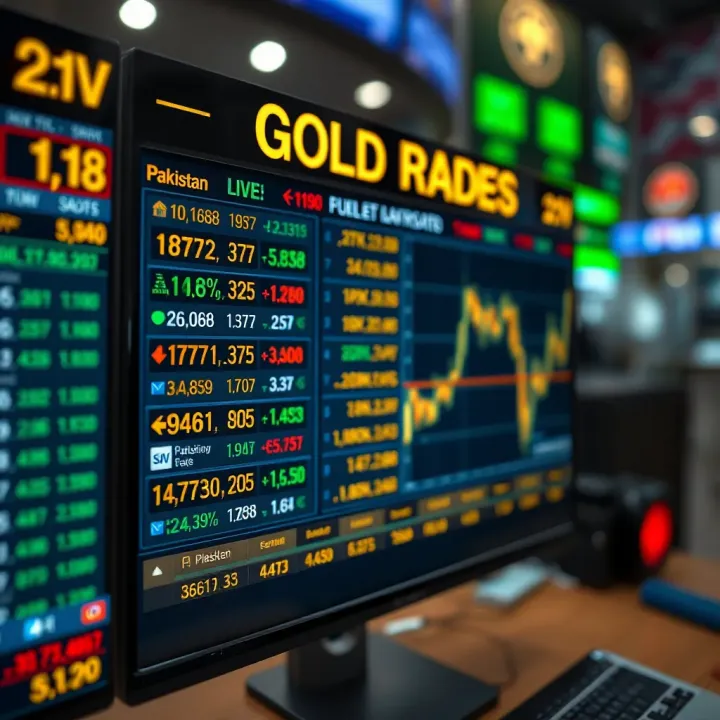
📈 Discover how gold trading works in Pakistan, learn to track live gold rates accurately, understand price shifts, and navigate risks to make informed investments.
📈 Explore live gold trading in Pakistan with real-time price tracking, market insights, regulatory details, and strategies to navigate risks for smarter investing decisions.
Based on 9 reviews