
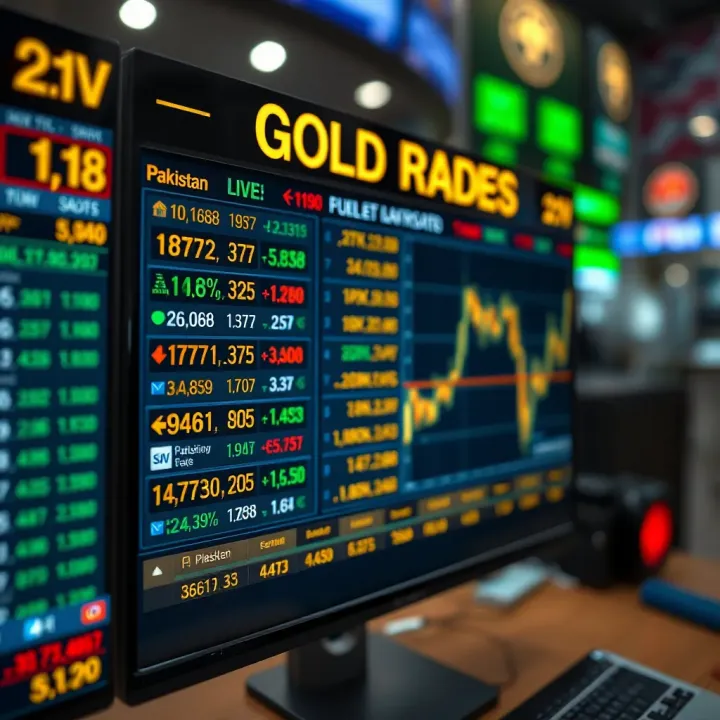
Gold Trading and Live Rates in Pakistan
📈 Discover how gold trading works in Pakistan, learn to track live gold rates accurately, understand price shifts, and navigate risks to make informed investments.
Edited By
Benjamin Hughes
Gold trading has long been a favoured investment option in Pakistan, thanks to its historical value and hedge against inflation. But the recent shift to live gold trading has changed how investors approach this market. Unlike traditional gold buying, which relies on fixed rates from local jewellers, live trading involves tracking real-time gold prices influenced by global markets and local demand.
Real-time gold rates in Pakistan fluctuate throughout the day based on several factors. International gold prices, usually quoted in US dollars per ounce, form the base. To convert these into Pakistani rupees per gram, traders use current exchange rates alongside international price movements. The local demand and supply conditions in major cities like Karachi, Lahore, and Islamabad further impact the rates offered by traders and jewellers.
Live gold trading platforms now provide instant price updates, allowing traders to buy or sell gold at precise market rates. This immediacy helps investors react quickly to price swings and market news. For instance, if global tensions rise, gold prices tend to surge due to its safe-haven status; live trading enables Pakistani investors to capitalise on such moves swiftly.
Monitoring live gold rates through reliable sources helps avoid overpaying or selling below market value, a common problem in traditional gold dealings.
Traders and investors in Pakistan can use online portals and mobile applications — many offered by local financial services or commodity exchanges — to stay updated. These platforms often integrate real-time data feeds from international bullion markets and provide alerts based on predefined thresholds.
Understanding the mechanics of live gold trading also means recognising the risks involved. Price volatility can be high, and without timely information, losses can mount quickly. Hence, incorporating real-time analysis tools and maintaining discipline during trading hours is essential.
In summary, live gold trading in Pakistan offers a transparent and efficient way to engage with the gold market. Keeping track of real-time prices, understanding local and international factors, and using modern trading tools together form a solid foundation for effective gold investment strategies.
Understanding live gold trading is essential for anyone involved in Pakistan's gold market, whether a trader, investor, or financial professional. The ability to watch gold prices move in real time helps users react quickly to market changes, which can protect investment value and even create profit opportunities. Given Pakistan’s fluctuations in currency value and import duties, traders must track these shifts closely to avoid losses.
Live gold trading refers to buying and selling gold where prices fluctuate continuously during market hours based on supply, demand, and global trends. Unlike fixed pricing, which remains stable for hours or days, live trading shows the current value of gold in real time. This approach helps traders and investors make timely decisions instead of relying on outdated rates.
In Pakistan, live gold trading has gained importance because gold is a popular investment and a traditional store of value, especially when the Pakistani Rupee weakens. For example, if gold prices spike during currency instability, those monitoring live rates can purchase or sell immediately, avoiding the risk of being stuck with less valuable gold.
The main difference between live trading and fixed pricing is flexibility. Fixed prices are often based on average daily rates set by dealers or banks that don’t account for sudden market swings. Live trading data comes from platforms connected to international commodity exchanges and local bazaars like Karachi Sarafa market, offering more precise and current pricing.
Tracking real-time gold prices gives traders an edge by letting them spot short-term trends or sudden price movements. For example, if a government announcement affects import duties or global economic news influences gold rates, real-time updates allow Pakistani traders to adjust their bids immediately instead of acting on stale information.
Investors also benefit by timing their buying or selling to maximise gains or cut losses. Watching live prices helps avoid situations like buying gold just before a price dip or selling late when prices start to fall. This becomes more relevant for day traders or those holding smaller quantity investments who depend heavily on precise entry and exit points.
Real-time tracking isn't just useful for professionals; even individual investors can use mobile apps available in Pakistan to stay updated and protect their investments against sudden market swings. This makes live gold trading more accessible and responsive than ever.
By understanding live gold trading fundamentals and the practical benefits of real-time price tracking, traders and investors in Pakistan can navigate the market more confidently and make smarter decisions based on accurate, current information.
Understanding how gold prices move in real time is essential for investors and traders looking to make smart decisions in Pakistan’s fluctuating market. Several global and local factors interact to shape these prices, and appreciating their roles helps you anticipate market trends rather than just react.
Gold is traded universally on major exchanges like the London Bullion Market and COMEX in New York. Prices there react instantly to global economic news, geopolitical tensions, and major financial indicators. For instance, during times of political unrest or fears of recession, gold prices tend to rise as investors seek a safe store of value. Conversely, when the global economy shows strength or stock markets rally, gold often takes a back seat, leading to price drops.
Pakistan’s live gold prices mirror these shifts closely, as traders track international benchmarks throughout their trading day. For example, if gold climbs by $20 per ounce in the global market, the Karachi gold market will reflect a comparable increase after adjusting for currency exchange and local factors.
The Pakistani rupee’s value against the US dollar heavily influences gold rates in Pakistan since international gold is priced in dollars. When the rupee weakens, gold becomes more expensive locally, even if global prices stay constant. This happens because importers need more rupees to buy the same amount of gold abroad.
For instance, a 1% depreciation of the PKR against the US dollar can increase the local gold price by nearly the same margin, forcing traders and consumers to pay more. On the other hand, if the rupee strengthens due to favourable economic reports or remittances, gold prices tend to ease, creating buying opportunities.

Local demand for gold fluctuates with cultural and seasonal factors. In Pakistan, demand spikes during wedding seasons and festivals like Eid, driving prices up even if global markets remain steady. Jewellery makers and retailers stockpile gold expecting these surges, which can cause temporary local price hikes.
Conversely, supply constraints—such as reduced imports or smuggling restrictions—tighten availability, pushing prices higher. If a major refinery or trader hesitates to release stocks, the scarcity affects live pricing instantly, directly impacting how much you’ll pay or receive when trading gold.
Government rules on gold imports and taxes significantly affect market rates. Import duties and customs charges add to the cost base, meaning any change here has immediate consequences. For example, if the Federal Board of Revenue (FBR) raises import duties, local gold prices surge to cover the added expense.
Additionally, restrictions like limits on import quantities or procedures for documentation can cause delays and uncertainty in supply chains. Traders often price this risk in, earning a premium on live gold rates. Awareness of such policy changes helps investors anticipate price jumps and manage buying or selling timing better.
To sum up, live gold prices in Pakistan result from a mix of swift global market reactions and distinct local factors like currency shifts, cultural demand, and government policies. Monitoring these gives you an edge in trading effectively and protecting your investment.
Global gold price movements on international markets
Exchange rate fluctuations, especially PKR vs USD
Seasonal demand trends in Pakistan
Import duties and regulatory changes affecting supply
This understanding lays the groundwork for skilled live gold trading, which is covered in following sections of this article.
Tracking live gold prices is essential for anyone involved in gold trading in Pakistan. Ready access to accurate and current rates helps investors and traders make timely decisions, avoiding losses caused by sudden market shifts. In Pakistan, the availability of digital tools and local market insights plays a big role in keeping up with these volatile prices.
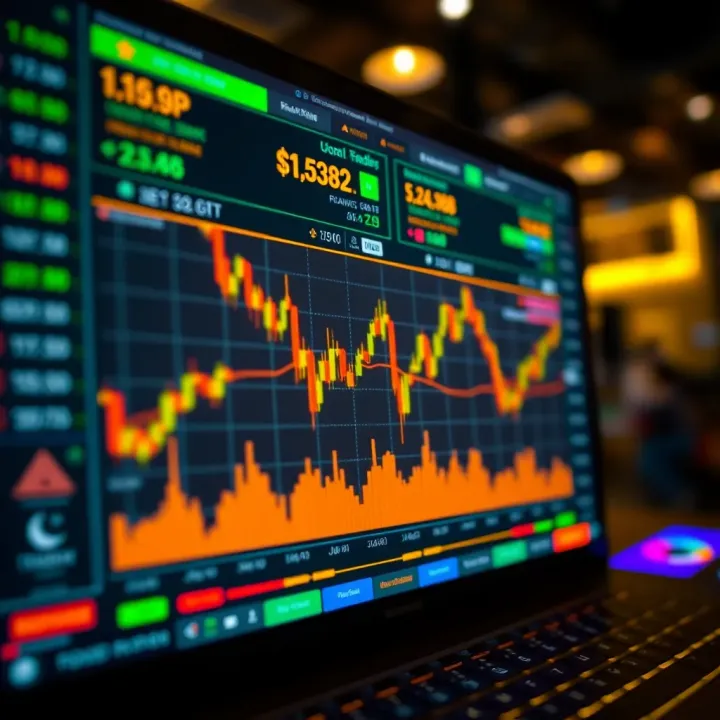
Several Pakistani websites and mobile applications offer live gold price updates. Platforms like Karachi Sarafa Bazar official website, Gold Price Pakistan, and apps like GoldRate.pk provide real-time prices based on spot rates and local demand. These platforms not only update gold prices every few minutes but also offer historical charts, helping traders spot trends and make predictions.
Their practical relevance comes from ease of access—anyone can check rates on mobile, be it during travel or at home, without relying on delayed newspaper rates or intermediaries. This real-time information is especially useful during market volatility when prices can change within minutes.
In terms of features, the best platforms offer:
Price Alerts: Notifying users when gold hits a certain rate.
Charting Tools: Visual graphs showing price movements over days, weeks, or months.
Comparison Tools: Allowing users to compare PKR gold rates with international prices or other commodities.
These features help traders monitor live movements efficiently and protect themselves from unexpected dips or surges. For instance, a trader can set a stop-loss alert that triggers a notification via app when gold falls below a set price, enabling quick reaction.
Local markets like Karachi Sarafa, Lahore Sarafa, and Islamabad Sarafa significantly influence live gold trading in Pakistan. Karachi Sarafa, being the country’s largest bullion market, often sets the tone for daily gold rates. Traders and jewellers in these markets negotiate prices based on global rates, currency fluctuations, and local demand.
Since Karachi Sarafa prices are widely recognised as the benchmark in Pakistan, many online platforms use these rates as the base for their live updates.
The local market prices may differ from international gold rates due to duties, taxes, and currency depreciation. For example, import duties levied by the government or changes in the PKR-USD exchange rate impact how much traders pay for gold locally versus international spot prices.
This difference can sometimes create arbitrage opportunities. However, local liquidity and demand-supply conditions often cause variations. Traders must understand these gaps to avoid confusion and capitalise on the most favourable market conditions.
Understanding these tools and local market dynamics equips investors and traders in Pakistan with timely information crucial for effective decision-making in live gold trading.
Effective trading strategies are essential for navigating the constantly changing gold prices in Pakistan's live markets. Understanding how to approach trading—whether for short-term gains or long-term investment—can help you make informed decisions and protect your capital. Here we break down two main strategies and explain key risk management tactics useful to investors and traders alike.
Day trading involves buying and selling gold within the same trading day to capitalise on small price movements. This method suits traders who have time to closely monitor markets, especially during active hours for Karachi Sarafa and international gold exchanges. For example, a trader might buy gold in the morning when prices dip and sell by afternoon when prices rebound. Quick decisions and reacting to live rate changes are crucial here. However, day trading demands attention, discipline, and a grasp of market trends to avoid losses caused by sudden price swings.
Long-term gold investment differs significantly; it is about holding gold for months or even years. This approach aims to benefit from the asset's ability to preserve value amid economic uncertainty and currency depreciation, prominent factors in Pakistan. For instance, during currency volatility or inflation spikes, gold price often rises, protecting investor wealth. Compared to day trading, it requires less frequent monitoring but more patience and a focus on macroeconomic factors rather than daily fluctuations.
Stop-loss orders are vital to limit losses in an unpredictable market. By deciding in advance the maximum loss you can afford, you can set a stop-loss order to automatically sell gold if prices fall below that point. For example, if you purchase gold at Rs 110,000 per 10 grams and set a stop-loss at Rs 108,000, your position sells automatically if the rate dips, preventing bigger losses. This strategy helps keep emotions in check and preserves capital during price dips.
Diversifying your investment across different assets and timing your trades carefully reduces risk. Avoid putting all your money in gold at once; instead, spread investment over time or across other commodities and stocks to cushion against sudden market shocks. For example, investing small amounts monthly in gold alongside equities can balance your portfolio. Timing matters too; buying gold when prices are relatively low—like after drops caused by global market news—can enhance returns compared to buying at peak periods.
Managing risk through disciplined strategies is as important as identifying the right moments to trade. Combining short-term approaches with long-term perspectives, along with clear stop-loss rules and diversification, equips you to handle Pakistan's live gold markets more confidently.
These strategies, though simple, require careful application and market awareness. Whether you're a professional trader or a seasoned investor in Pakistan's gold market, blending these approaches and managing risks wisely can improve your chances of success.
Understanding regulations and safety measures is vital for anyone involved in gold trading in Pakistan. Given the market's fluctuations and the risks of fraud, adhering to legal guidelines ensures secure transactions and helps protect your investment. This section outlines key compliance requirements and strategies to avoid fake gold, so you trade confidently and within the law.
The Federal Board of Revenue (FBR) plays an integral role in regulating gold trading activities through taxation policies and documentation enforcement. Traders and investors must declare gold transactions above specified limits to FBR for tax purposes, which helps maintain transparency in the market and curbs money laundering.
For example, FBR requires declarations on import duties and sales tax on gold imports and domestic sales. Traders must stay current with FBR’s notifications since policies can change with economic conditions, impacting gold prices and trade restrictions.
Providing a valid Computerised National Identity Card (CNIC) is mandatory when purchasing or selling gold above certain thresholds in Pakistan. This ensures traceability of transactions and helps compliance with anti-money laundering laws.
On the taxation front, capital gains from gold trading may be subject to tax under FBR rules. Traders should keep detailed records and seek guidance on tax liabilities, especially for frequent or high-volume trading, to avoid penalties.
Gold traders in Pakistan face the risk of counterfeit or low-quality gold. To avoid fraud, verify gold purity using official tests like the acid test or electronic gold testers commonly available at reputable jewellers. Authentic gold always comes stamped with purity marks such as 22K or 24K, though even this should be confirmed with proper equipment.
Many trustworthy jewellers also offer certificates of authenticity from recognised labs. Before making large purchases, test the gold in multiple ways and ask for documentation to avoid costly mistakes.
Dealing with established and well-known gold dealers remains the safest approach in Pakistan’s gold market. Trusted dealers often belong to professional bodies or associations that regulate member conduct, providing an extra layer of assurance.
Look for certifications like the Pakistan Jewellers Association membership or ISO standards that reputable shops advertise. Always insist on official receipts specifying karat value, weight, and price, and avoid informal or unlicensed sellers who lack accountability.
"Buying gold from certified dealers and following FBR regulations reduces risks and helps traders maintain clear records for future reference."
Staying aware of these regulations and safety precautions helps you navigate Pakistan’s live gold market effectively and securely.
📈 Discover how gold trading works in Pakistan, learn to track live gold rates accurately, understand price shifts, and navigate risks to make informed investments.
Explore the rising trend of online gold trading in Pakistan ✨, learn about platforms, benefits, payment methods, risks, storage and tax rules for smart investing 💰
📈 Understand live forex trading in Pakistan with this practical guide covering platforms, risk management, regulations, and steps to start trading confidently today.
💰 Learn how to trade gold online safely in Pakistan, explore popular platforms, understand taxation, and manage risks for a profitable experience in Rs and grams.
Based on 11 reviews