
Best Forex Brokers in Pakistan for Traders
Find trusted Forex brokers in Pakistan! Learn about regulation, fees, platforms, account types, and support to boost your trading success 📈💼🇵🇰
Edited By
Amelia Brooks
The US dollar rate in Pakistan experienced significant fluctuations during 2021, influenced by domestic and international factors that affected traders, investors, and finance professionals deeply.
At the start of the year, the dollar hovered around PKR 153 to PKR 155. However, by mid-2021, it surged beyond PKR 160, driven partly by increasing demand for imports and pressure on Pakistan’s foreign reserves. The State Bank of Pakistan (SBP) took measures such as tightening monetary policy to stabilize the currency but faced challenges from rising inflation and a widening current account deficit.
Major triggers behind the dollar's rise included:
Higher global commodity prices: Pakistan relies heavily on imports for oil and raw materials. As global prices climbed, the import bill went up, pushing demand for dollars.
Remittance flows: Although remittances increased from overseas Pakistanis (recorded at nearly $29 billion in 2021), the inflow wasn’t enough to offset the widening trade deficit.
Government policies: The SBP intervened with currency auctions and foreign exchange reserves management, yet political uncertainties kept investors cautious.
This dollar rise affected several sectors:
Imports became costlier, raising prices for consumer goods and raw materials, putting upward pressure on inflation, which peaked around 9% in late 2021.
Exports struggled to remain competitive, as local producers faced higher costs for imported inputs and currency volatility.
Businesses relying on foreign loans faced higher debt-servicing costs in local currency terms.
The dollar's climb was a clear signal of underlying economic pressures, reflecting both external shocks and domestic structural issues.
For traders and investors, watching the SBP's foreign exchange reserves—hovering around $18 billion mid-year—is key to anticipating future currency trends. Additionally, understanding Pakistan’s trade balance and fiscal policies offers insight into potential dollar movements.
In summary, the dollar rate in Pakistan during 2021 was shaped by a mix of global price shifts, remittance trends, and government actions, all impacting inflation and business strategies. Keeping an eye on these factors helps finance professionals make informed decisions amid such volatility.
Understanding the trends in the dollar rate throughout 2021 is key for anyone watching Pakistan's economic health or involved in trade and finance. The dollar's value against the Pakistani rupee impacts everything from import prices to inflation and investor confidence. Tracking these trends sheds light on how market forces and policy decisions shaped financial realities during a turbulent year.
The dollar-rupee rate didn't stay still last year; it went through noticeable ups and downs month to month. For instance, early 2021 saw the dollar hover around 156 to 157 Pakistani rupees, but by July, it had climbed past 160. These fluctuations often aligned with international developments—like changes in oil prices—and domestic events, such as government policy announcements or political shifts. Traders, investors, and businesses keenly watched these monthly swings to adjust their strategies, whether in hedging risks or timing currency exchanges.
Looking back at years before 2021, the dollar showed a gradual but steady increase against the rupee. But the pace picked up last year, partly due to the global economic slowdown's lingering effects and local challenges like trade deficits. For example, while the dollar appreciated roughly 5% against the rupee in 2019, it rose closer to 8% in 2021. This sharper increase signaled mounting pressures on Pakistan's currency, influencing import costs and the overall cost of living. Observing this shift helps put 2021's dollar rate movements into context and guides expectations about future trends.
The monthly and year-over-year movements in the dollar rate directly affect importers, exporters, and everyday consumers, making it essential to grasp these patterns for sound financial planning.
In summary, charting the dollar's course month by month and comparing it with past trends offers practical insights. Traders and investors gain a clearer picture of volatility, while businesses adjust operations to manage cost fluctuations. For policymakers, these findings inform decisions aimed at stabilizing the currency and supporting economic growth.
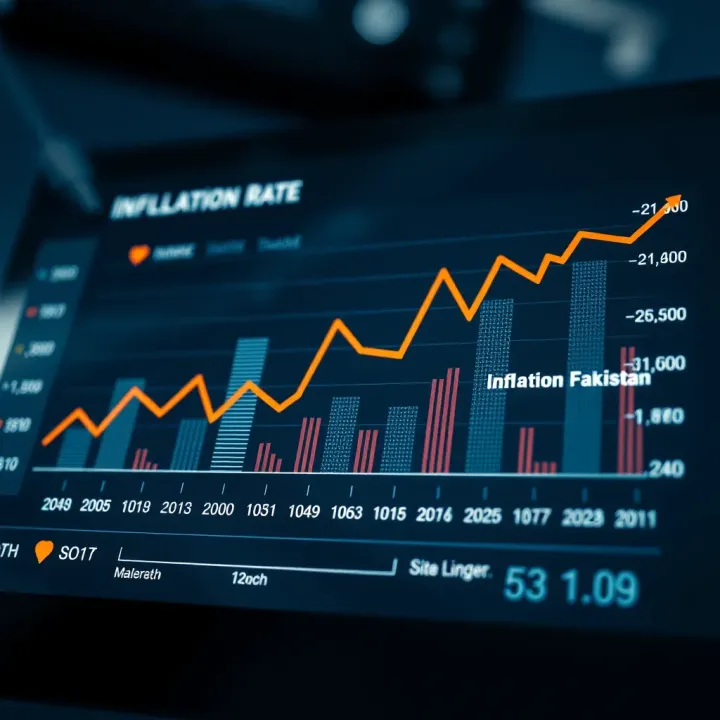
Understanding what moves the dollar rate in Pakistan is key for anyone dealing with foreign exchange, trade, or investment here. The fluctuations aren’t random; they stem from a blend of economic, policy, and global market factors. This section sheds light on those drivers, showing why the dollar rate didn’t just wiggle around but reacted sharply at times during 2021.
Pakistan’s economic health and how it manages its trade balance plays a huge role in the dollar’s strength against the rupee. When imports outscale exports, the demand for dollars spikes because importers need to pay foreign suppliers in dollars. For example, in 2021, the country’s heavy reliance on machinery and petroleum imports pushed up dollar demand, nudging the exchange rate upwards.
At the same time, Pakistan’s exports struggled with global slowdowns and supply chain hiccups, limiting dollar inflows. This imbalance drains foreign reserves and puts downward pressure on the rupee. Moreover, inflation rates within Pakistan can influence the dollar rate since higher inflation reduces purchasing power, making foreign currencies more attractive.
The State Bank of Pakistan (SBP) actively influences the dollar rate through interest rate changes and currency interventions. In 2021, the SBP adjusted its policy rate multiple times to balance inflation control and economic growth.
Higher interest rates typically attract foreign investors seeking better returns, increasing demand for the rupee and stabilizing the exchange rate. Conversely, lowering rates can ease domestic borrowing but might weaken the rupee if foreign capital flight occurs.
Besides rates, the SBP sometimes steps into the market directly, buying or selling dollars to smooth out volatility. For instance, when the rupee started dipping too fast mid-2021, SBP’s dollar sales helped temporarily cap the fall. Still, these interventions have limits if underlying economic fundamentals remain weak.
No currency lives in isolation, and Pakistan’s dollar rate is sensitive to global events. The US dollar itself moves based on Federal Reserve policies, US economic data, and geopolitical tensions.
In 2021, a strengthening US dollar amid Fed taper talks put extra pressure on emerging market currencies like the rupee. Additionally, fluctuations in oil prices affected Pakistan’s import bill, feeding directly into dollar demand.
Foreign portfolio flows also mattered. Investor sentiment toward emerging markets changes with global risk appetite; any sign of trouble often triggers capital flight, hitting the rupee hard. For instance, concerns about inflation and political stability combined to influence investor confidence during the year.
The bottom line is, the dollar rate’s shifts during 2021 reflected a mix of Pakistan’s economic stance, central bank moves, and waves from international markets — all colliding to shape the rupee’s path.
Understanding these factors helps traders, investors, and businesses anticipate currency moves and strategize accordingly, minimizing surprises in a market that’s anything but predictable.
The ups and downs of the dollar rate in Pakistan during 2021 held serious consequences for the country's economy. Understanding this impact helps traders, investors, and finance pros anticipate risks and seize opportunities. Changes in the exchange rate affect inflation, business costs, foreign investment, and government debt, all of which reverberate through daily life and market dynamics.
When the dollar strengthens against the Pakistani rupee, imports become more expensive, directly pushing up the prices of goods that depend on foreign raw materials or finished products. For instance, during late 2021, as the dollar climbed, the cost of imported fuel surged, trickling down into higher transportation and production costs. This ripple pushed overall inflation higher, putting pressure on consumers who saw grocery bills and utility costs rise. Retailers dealing heavily in imported electronics and machinery also faced tighter margins unless they raised prices, further fueling inflation.
Inflation hits lower-income households the hardest because they spend a larger chunk of their income on essentials. Knowing these inflation patterns tied to the dollar rate can help financial professionals tailor strategies around cost management or pricing adjustments.
Importers wrestled with higher costs as the dollar gained strength, which often led to increased product prices or squeezed profit margins. A local electronics importer during 2021, for example, had to decide whether to absorb rising costs or pass them onto consumers. Delays in adjusting prices carried risks of losses, while swift increases could reduce sales volume.
Exporters, however, found a silver lining when the rupee weakened. Their goods became competitively cheaper abroad, boosting sales. Textile exporters, a key sector in Pakistan, enjoyed increased demand from the U.S. and Europe during periods of rupee depreciation. But this advantage is a double-edged sword; if raw materials are imported and pricier due to dollar strength, input costs rise, cutting into export profits.
Awareness of these dynamics is vital for trading and investment decisions, helping stakeholders navigate currency risks effectively.
Dollar fluctuations also shaped Pakistan’s investment landscape and its burden of foreign debt. A weaker rupee increases the local currency cost of servicing dollar-denominated debt, posing challenges for government budgets and corporations alike. In 2021, the government faced mounting debt payments as the dollar climbed, triggering concerns about fiscal stability.
On the investment front, exchange rate volatility can deter foreign direct investment (FDI). Investors shy away when currency unpredictability threatens returns. However, savvy investors sometimes see depreciation as a chance to buy into undervalued assets or businesses, betting on eventual currency stabilization.
Domestic investors need to factor in how exchange rate swings affect not only international exposure but also local inflation and interest rates, which influence portfolio performance.
The bottom line is that dollar rate shifts in Pakistan during 2021 didn't operate in isolation but influenced inflation, trade, investment, and debt—all key to understanding the economic environment.
By tracking these effects, finance professionals can better forecast trends and adjust strategies to protect investments and capitalize on changing market conditions.
Government and financial institutions play a critical role in managing exchange rate fluctuations, especially in volatile markets like Pakistan's in 2021. Their responses can stabilize the market, curb inflation pressures, and support economic confidence. Understanding these actions helps traders, investors, and finance professionals anticipate market movements and adjust strategies accordingly.
The State Bank of Pakistan (SBP) took several active steps to address dollar rate volatility during 2021. Primarily, it intervened directly in the foreign exchange market to improve liquidity and smooth abrupt currency swings. For example, SBP frequently injected foreign reserves to meet sudden demand spikes, preventing sharp depreciation. In some instances, it imposed temporary restrictions on dollar demand from non-essential imports to safeguard reserves.
Additionally, SBP adjusted interest rates strategically to influence currency valuation and inflation expectations. By increasing the policy rate, SBP aimed to attract foreign capital flows, which helped support the rupee. However, higher rates also raised borrowing costs domestically, so these moves balanced currency stabilization against broader economic impact.
Beyond the central bank, the Pakistani government enacted fiscal policies to limit pressure on the exchange rate. One approach included tightening import controls on luxury and non-essential goods, which eased dollar demand on the local market. For instance, raising tariffs on certain imported electronics and vehicles helped reduce unnecessary foreign currency outflows.
Moreover, the government increased efforts to attract remittances and foreign investments by offering incentives like tax breaks and simplified regulatory procedures. This approach aimed to shore up foreign currency supplies and strengthen the rupee.
Fiscal discipline also came into focus, with authorities focusing on reducing budget deficits to lessen the economy’s reliance on foreign borrowing, which can strain the currency. For example, the government emphasized improving tax collections and cutting non-essential spending during the fiscal year.
These combined actions by the State Bank and government helped cushion the Pakistani rupee amid 2021's external shocks and internal pressures, offering some predictability for market participants.
Understanding these responses gives you practical insight into how Pakistan’s financial system worked to manage dollar rate swings, which is key for making informed trading and investment decisions in this environment.
Find trusted Forex brokers in Pakistan! Learn about regulation, fees, platforms, account types, and support to boost your trading success 📈💼🇵🇰
💰 Learn how to trade gold online safely in Pakistan, explore popular platforms, understand taxation, and manage risks for a profitable experience in Rs and grams.
Discover how to choose the best online trading app in Pakistan 🇵🇰 with tips on features, costs, security, markets, and user support for smooth investing 📈
Explore top trading apps in Pakistan 📱! Compare features, security 🔒, costs 💰, and get expert tips for safe investing. Perfect for beginners & pros.
Based on 11 reviews