
Best Online Trading App in Pakistan: How to Choose
Discover how to choose the best online trading app in Pakistan 🇵🇰 with tips on features, costs, security, markets, and user support for smooth investing 📈
Edited By
Charlotte Evans
Gold trading holds a special place in Pakistan’s financial landscape. Traders and investors often look to gold as a safe haven during economic uncertainties, currency devaluations, or inflationary pressures. Understanding how gold rates move in local markets is essential if you want to navigate this asset wisely.
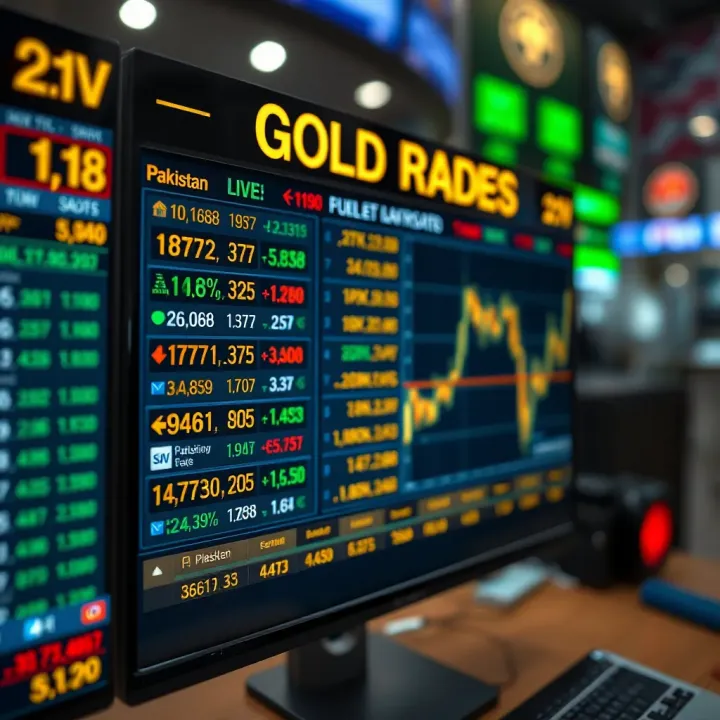
Live gold rates in Pakistan are primarily influenced by the international gold price, which is quoted in US dollars per ounce. Local rates depend on this global benchmark adjusted for the Pakistan Rupee (Rs) exchange rate against the dollar. Additionally, Karachi Sarafa Bazaar and Lahore Sarafa markets play significant roles in setting the daily local prices through supply and demand.
The State Bank of Pakistan (SBP) and the local stock exchanges also impact gold prices by influencing currency values and import duties. For example, if SBP signals a shift in monetary policy causing the rupee to weaken, gold prices in rupees often rise.
Several factors contribute to the ups and downs of gold prices here:
Currency fluctuations: Since gold is dollar-priced, depreciation of PKR typically pushes domestic gold rates upward.
Global economic events: Political instability, inflation trends, or international conflicts can spike demand for gold.
Import policies and taxes: Duties imposed by Pakistan customs and regulatory changes affect landed gold costs.
Local market demand: Seasonal demand surges during festive periods like Eid or wedding seasons push prices higher.
Traders must watch these factors closely to gauge price movements, which can be quite volatile in short periods.
Tracking live gold rates requires using reliable price feeds from established sources like Karachi Sarafa Association or major financial news platforms. Mobile apps and financial websites that provide real-time updates crossing Rs/USD exchange rates and global gold futures are very helpful.
Practical tips for traders include:
Checking the spot price regularly since it reflects current market sentiment.
Monitoring the Karachi Sarafa Bazaar closing rates daily for local benchmark pricing.
Comparing rates among trusted dealers before making transactions.
Understanding these basics arms you with the knowledge to spot price trends, reduce risks, and identify opportune moments for buying or selling gold in Pakistan’s unique trading environment.
Gold plays a significant role in Pakistan, both culturally and economically. Understanding its place in the market helps traders and investors make informed decisions. This section covers the historical importance of gold, its use as an investment, and the options available for trading it.
Gold holds a deep cultural place in Pakistan. It is a traditional part of weddings and festivals, often given as gifts or worn as jewellery. Families valued gold for generations, seeing it as a symbol of wealth and security. For instance, during Eid or weddings, buying gold jewellery is common, reflecting both cultural pride and financial stability.
This cultural preference ensures a steady local demand for gold, influencing its price and availability. Traders must keep this in mind, as fluctuations in seasonal buying patterns can affect market rates.
Beyond cultural uses, many Pakistanis treat gold as a safe investment. Amid fluctuating currency values and inflation, gold offers a reliable hedge against economic instability. For example, during times when the Pakistani rupee weakens or inflation rises, gold prices tend to increase, preserving the value of assets.
Investors often prefer gold over other assets like stocks or property during uncertain periods. This makes gold an essential part of diversified investment portfolios, especially for those cautious about market volatility.
The most common way to own gold in Pakistan is by buying physical gold in the form of bars or jewellery. Bars offer a pure investment form, but many prefer jewellery for personal use and resale potential. Jewellers in cities like Karachi and Lahore provide certified gold, with prices usually quoted per tola or gram.
While buying jewellery, customers should pay attention to making charges and purity certifications. Physical gold requires secure storage to avoid theft or loss, which adds to the overall cost.
Gold certificates allow investors to hold gold without physically storing it. These certificates represent ownership of a certain quantity of gold held by financial institutions. However, in Pakistan, these options remain limited and are not widespread compared to physical gold.
Exchange-Traded Funds (ETFs) focused on gold have global popularity but are still emerging in Pakistan. They offer liquidity and ease of trading on stock exchanges, making them suitable for investors looking to avoid the hassle of physical storage.
Recently, digital platforms have entered the gold trading scene in Pakistan. Services like digital gold apps allow users to buy and sell gold in small amounts via mobile phones, with real-time rates tied to international prices and local fluctuations.
These platforms provide convenience and transparent pricing, appealing to young investors and those unfamiliar with traditional markets. They also reduce the risk of counterfeit gold and offer easier access during restricted hours or lockdowns.
Knowing the different types of gold trading in Pakistan helps investors choose the right approach based on risk appetite, convenience, and purpose.
By understanding the cultural roots and economic functions of gold, as well as current trading options, traders and investors can navigate Pakistan's gold market more confidently.
Live gold prices in Pakistan fluctuate due to various factors that interplay globally and locally. Traders and investors must understand these elements to make informed decisions and time their transactions better.
International gold price benchmarks provide the base reference for gold trading worldwide. Prices quoted on the London Bullion Market Association (LBMA) or New York's COMEX are considered global standards. Pakistani gold rates generally track these international benchmarks closely, adjusted for currency value and local premiums. For example, if gold prices rise in London due to global demand, Pakistan's rates typically follow within hours or days.
The impact of US dollar fluctuations and oil prices also shapes gold pricing. Since gold is priced in US dollars internationally, any weakening of the dollar makes gold cheaper for holders of other currencies, increasing demand and pushing prices up in Pakistan. Conversely, a stronger dollar lowers gold prices locally. Additionally, rising oil prices can signal inflation pressures, prompting investors to turn to gold as a hedge, thus driving prices upwards. This relationship is notable during geopolitical tensions or supply disruptions.
The PKR exchange rate impact stands out among domestic factors affecting gold prices. A depreciation of the Pakistani rupee against the US dollar makes importing gold costlier, which traders pass on to buyers. For instance, a sudden fall in PKR value can immediately increase gold rates, even if global prices remain stable. Traders closely watch exchange rate trends to anticipate local price movements.
Inflation and interest rates influence local demand and gold’s attractiveness as an investment. Higher inflation usually increases gold buying as people seek to protect their savings. On the other hand, rising interest rates can make fixed-income investments more appealing, reducing gold demand. The State Bank of Pakistan’s monetary policies thus indirectly affect gold trading dynamics.
The government’s policies and import duties add another layer to gold pricing. Import restrictions, customs duties, and taxes increase the cost of physically bringing gold into Pakistan. For example, a hike in import duty can raise local gold prices suddenly, impacting retail rates and investor confidence.
Local demand for jewellery and investment drives significant gold consumption in Pakistan, especially during weddings and festivals like Eid. Jewellery purchases contribute a seasonal spike in demand, directly influencing live gold prices. Investors also increase buying during uncertain times, treating gold as a safe asset.
Mining and import availability affect supply. Pakistan has limited gold mining; hence, most gold is imported. Any disruption in imports, due to foreign exchange scarcity or government regulations, tightens supply and pushes up prices. Traders factor in these supply chain considerations to gauge price trends.
Understanding these factors helps traders foresee potential price shifts and react smartly in Pakistan's gold market. Keeping an eye on global cues, domestic economics, and local demand-supply situations is key to navigating live gold rates effectively.
Accessing and interpreting live gold rates is essential for anyone involved in gold trading or investment in Pakistan. Real-time awareness of these rates helps traders make informed decisions, whether they are buying physical gold, investing in gold certificates, or trading via online platforms. Without knowing what drives prices up or down as they happen, you might miss the right moment to buy or sell.
The State Bank of Pakistan (SBP) is a key source for official gold prices. SBP releases daily updates on the international gold price and the PKR (Pakistani Rupee) to USD exchange rate. Since Pakistan imports much of its gold, this exchange rate directly affects local gold prices. Traders often watch SBP notifications for consistent benchmarks, especially before making large transactions.
These official updates are reliable because they reflect government data and market fundamentals rather than speculation. For instance, if the PKR weakens against the dollar according to SBP, gold prices typically rise in Pakistan even if global prices stay steady.
Local gold dealers and financial news websites provide live updates on gold prices in Pakistan’s jewellery markets and bullion trade. These sources often include pricing per tola and per gram, reflecting the pulse of domestic demand and supply.
Websites like bullion trader portals or financial news outlets often add insights such as price trends or predictions. Traders benefit from checking these alongside SBP data since private dealers factor in upcoming import duties, local demand fluctuations, and other costs which SBP updates might not fully capture.
Several mobile apps provide live gold rate updates with push notifications, giving traders immediate news on price changes. Platforms such as Goldprice.pk or financial apps linked to commodities trading streamline this process for users.
Using apps also helps investors track historical price charts and compare gold prices against other commodities at a glance. Accessibility via mobile makes it easier for everyday investors to respond to market shifts quickly rather than depending only on websites or official notifications.
Gold prices in Pakistan are commonly quoted in two units: per tola (approximately 11.66 grams) and per gram. This dual quoting system caters both to traditional buyers who prefer buying in tolas and to more modern investors who look at gold by gram.
Retail prices per tola usually appear higher because they include purity certifications and making charges. Comparing prices across these units requires simple math but is important for understanding the true value of your purchase. For example, if the rate is Rs 120,000 per tola, it translates roughly to Rs 10,290 per gram.
The spot price is the global market price of pure gold and serves as a base rate. It fluctuates during trading hours depending on international demand, currency rates, and economic news. Spot price doesn’t include additional costs.
The retail price in Pakistan includes spot price plus local taxes, import duties, and making charges for jewellery. This explains why retail jewellery costs noticeably more than the spot price. Traders should watch spot prices for market trends and retail prices for actual buying or selling decisions.
Making charges are fees added by jewellers for designing and crafting jewellery. In Pakistan, these charges can vary significantly depending on the complexity and brand reputation. Making charges are added on top of the gold’s weight value and are usually fixed per gram or as a percentage.
Understanding making charges is crucial if you want to sell jewellery later. A high making charge increases initial cost but doesn’t raise resale price proportionally. For pure investment, buying gold bars with minimal or no making charges tends to preserve value better than jewellery with heavy craftsmanship costs.
Knowing how to access live gold rates and interpret price quotes correctly empowers traders and investors to navigate Pakistan’s dynamic gold market with confidence and accuracy.
Gold trading in Pakistan demands more than just knowledge of live rates and market dynamics. Traders and investors need practical strategies and awareness of risks to make sound decisions. Understanding when to buy or sell and which form of gold to invest in can significantly affect returns. Meanwhile, recognising challenges like price swings, purity issues, and storage complications helps avoid common pitfalls.
Timing purchases based on price trends is crucial in gold trading. Gold prices fluctuate daily due to factors such as the State Bank of Pakistan’s monetary policies, global economic events, and PKR exchange rate movements. For instance, when the rupee weakens suddenly, gold prices tend to spike. Observing such trends can help traders avoid buying at peak prices and capitalise on dips. Analysts often watch global indicators like US dollar strength or oil prices to predict local gold price movements. For retail investors, waiting for a slight downturn before buying can save substantial sums, especially when purchasing physical gold.
Choosing between physical and paper gold depends on the investor's goals and convenience. Physical gold, such as jewellery or bars, offers tangible ownership but involves additional costs like making charges, hallmarking fees, and secure storage. On the other hand, paper gold options like gold ETFs or digital gold platforms available through Pakistani fintech services offer liquidity, lower entry cost, and easier portfolio diversification. However, these lack the sentimental and cultural value many Pakistanis place on physical gold. For example, during festivals like Eid, physical gold buying usually picks up due to gifting traditions.
Price volatility is a major challenge for gold traders in Pakistan. Since gold prices respond quickly to both international news and domestic economic changes, sudden spikes or drops can catch traders off guard. For example, announcements related to oil crises or changes in SBP’s policy rate can trigger unpredictable swings. Traders need to be prepared for such fluctuations and sometimes adopt cautious trading strategies to mitigate losses.
Authenticity and purity of gold remain pressing concerns. The local market has faced issues with substandard jewellery or gold bars that do not meet official hallmark standards. Without proper certification from recognised bodies, buyers risk getting inferior quality gold. This makes it essential to purchase from trusted jewellers or dealers registered with bodies like the Pakistan Gem and Jewellery Development Company (PGJDC).
Storage and security present practical difficulties, especially for physical gold. Keeping gold safe at home requires appropriate safes or security measures, which add to the cost. Many urban investors opt for bank lockers, but these incur rental fees and can be inconvenient for frequent transactions. Digital gold and gold ETFs avoid these problems but introduce different risks related to platform reliability and regulatory safeguards.
Practical understanding of these factors helps traders and investors navigate Pakistan’s gold market more effectively and avoid costly mistakes.
Gold trading in Pakistan stands at a crossroads, influenced by rapid technological advances and ongoing regulatory changes. Understanding these future directions helps traders, investors, and finance professionals prepare better strategies and mitigate risks. Focusing on emerging trends and regulatory frameworks gives a clearer picture of how the gold market will evolve and what opportunities or challenges might arise.
Digital gold platforms have started gaining traction as an alternative to physical gold investment, especially among younger investors in Pakistan. These platforms allow users to buy, sell, and hold gold in fractional amounts through mobile apps without needing to worry about storage or security. For example, players like Bullion Digital offer seamless transactions with real-time pricing indexed to international benchmarks. This makes gold more accessible, especially for people who find the upfront cost of physical gold or jewellery too high.
Moreover, these digital services provide instant liquidity, allowing investors to convert their holdings back to cash quickly. This agility is a significant advantage over traditional gold bars or jewellery, which can take time to sell and may involve making charges or purity concerns. As smartphone penetration rises, digital gold trading is likely to become an important part of Pakistan’s investment landscape.
Pakistan’s fintech sector has grown fast with platforms like JazzCash and Easypaisa leading digital payments. Gold trading is now starting to link with these fintech solutions for easier, safer, and faster transactions. The integration means users can buy digital gold directly from their mobile wallets, combining gold investment with daily financial activities.
For instance, you might top up your digital gold purchase using your JazzCash wallet or schedule regular monthly investments through Easypaisa, making gold ownership both effortless and systematic. This fintech blending eliminates many traditional hurdles, such as the need to visit markets or banks, thus promoting financial inclusion.
The Pakistani government imposes import duties and has strict regulations to control gold inflows, which directly affect the local price and availability. Recent changes in customs duties or restrictions can push gold prices up domestically, impacting both traders and consumers. For example, increased import duties could lead to a rise in smuggling, complicating the market further.
Keeping an eye on government policy shifts helps traders anticipate price movements or supply bottlenecks. Moreover, proper documentation like CNIC for gold purchase is becoming mandatory in many cases, ensuring traceability and reducing the risk of illegal transactions.
The State Bank of Pakistan (SBP) plays a balancing role by setting monetary policy that indirectly influences gold prices, especially through PKR exchange rates and interest rates. For example, when SBP tightens monetary policy to curb inflation, the resulting PKR strengthening can lower gold prices in local currency terms.
Besides monetary policy, SBP also regulates gold imports and foreign exchange dealings associated with gold trade. Its efforts to stabilise the market through managing import licensing and monitoring foreign currency outflows ensure a more predictable trading environment. This stability benefits investors and traders by reducing extreme price swings caused by sudden policy changes.
Staying current on technology and regulatory shifts is vital for anyone involved in gold trading in Pakistan. These factors will shape profitability, accessibility, and risk levels in the coming years.
Understanding these aspects helps you not just follow gold price trends but also align your trading strategies for better outcomes in Pakistan's evolving gold market.
Discover how to choose the best online trading app in Pakistan 🇵🇰 with tips on features, costs, security, markets, and user support for smooth investing 📈
📊 Learn how binary options trading works in Pakistan 🇵🇰, explore risks ⚠️, legal tips 📜, and smart strategies for responsible trading in our easy guide!
📊 Discover how binary option trading works in Pakistan with practical tips, strategies, risk insights, and guidance on choosing trusted platforms safely.
Explore top trading apps in Pakistan 📱! Compare features, security 🔒, costs 💰, and get expert tips for safe investing. Perfect for beginners & pros.
Based on 13 reviews