
Forex Trading Guide in Urdu for Pakistani Traders
📈 Learn forex trading in Urdu with this detailed guide made for Pakistani traders! Understand market basics, strategies, risks, plus practical steps to start trading safely.
Edited By
Ethan Riley
Forex trading involves buying and selling currencies in the global market, aiming to profit from changes in exchange rates. In Pakistan, it has become increasingly popular due to internet access and awareness of global financial markets.
Traders use online platforms to access currency pairs like USD/PKR, EUR/USD, and GBP/USD. These platforms provide real-time data and execution tools, allowing traders to open and close positions quickly. Popular platforms such as MetaTrader 4 and MetaTrader 5 are widely used due to their user-friendly interface and robust features.
The State Bank of Pakistan (SBP) regulates currency exchange but has strict rules preventing individual Pakistanis from dealing directly in foreign currency futures or spot forex markets abroad through unlicensed brokers. However, many traders participate via international brokers outside Pakistan, exposing them to legal and financial risks.
Limited Local Support: Few brokers operate within Pakistan with SBP approval, so technical support and dispute resolution can be tough.
High Volatility: Currency swings can yield profits but also cause significant losses, especially for beginners.
Funding and Withdrawals: Transferring money internationally to fund accounts often involves delays and fees.
Despite challenges, forex trading lets savvy traders capitalize on global events impacting currency values, such as changes in oil prices, geopolitical tensions, and economic data from the U.S. and China. For instance, a sudden drop in the U.S. dollar index can create profit chances for traders betting on PKR strength.
To start trading forex in Pakistan successfully:
Choose a Reliable Broker: Look for internationally regulated brokers with a good reputation.
Start Small: Use demo accounts to practice before investing real money.
Keep Informed: Follow economic news and market analysis regularly.
Manage Risk: Set stop-loss orders and never risk more than you can afford to lose.
Forex trading in Pakistan offers exciting opportunities but demands careful navigation of regulatory limits and market risks. By understanding local rules, picking trusted platforms, and adopting disciplined trading habits, Pakistani traders can better position themselves in the global currency market.
Grasping the basics of forex trading is essential before jumping into Pakistan's currency market scene. It gives you the groundwork to understand how trades happen, why prices shift, and what tools traders use. Without these basics, navigating the forex world can feel like driving blindfolded.
Definition of forex trading: Forex trading, short for foreign exchange trading, involves buying one currency while simultaneously selling another. It's about speculating on the price movement between currency pairs like USD/PKR (US dollar to Pakistani rupee). For instance, if you believe that the US dollar will strengthen against the rupee, you might buy USD/PKR, aiming to sell later at a higher price.
This market operates 24 hours a day during the business week, making it accessible for traders in Pakistan to engage anytime. The goal? To profit from the changes in currency values driven by economic data, geopolitical events, or central bank decisions.
How currency pairs work: Currency pairs consist of two currencies: the base currency and the quote currency. The price quoted reflects how much of the quote currency you need to buy one unit of the base currency. For example, in GBP/USD = 1.30, it means it takes 1.30 US dollars to buy one British pound.
Understanding these pairs is crucial for deciding trades. When the price of a pair rises, the base currency is strengthening relative to the quote currency; when it falls, the base currency is weakening. This direct relationship guides traders on when to buy or sell.
The role of leverage and margin: Leverage allows you to control a larger position than your actual investment by borrowing funds from your broker. For example, with 100:1 leverage, you can control $100,000 by investing just $1,000. This can amplify gains but also increases risk significantly.
Margin is the money you must have in your account to open and maintain a leveraged position. If the market moves against you, losses can exceed your initial deposit, so effective risk management is vital. In Pakistan, traders should be cautious, as high leverage can quickly wipe out capital if not managed properly.
Major players and market size: The forex market is the largest financial market worldwide, with a daily turnover exceeding $6 trillion. Major players include central banks (like the Federal Reserve or European Central Bank), commercial banks, hedge funds, multinational corporations, and retail traders.
For Pakistani traders, this means they are part of a vast system where huge sums are traded constantly, influencing currency values globally. Being aware of who moves the market helps in understanding price shifts and liquidity.
Trading hours and liquidity: Forex trading spans across four major sessions: Sydney, Tokyo, London, and New York. The market is open 24 hours from Monday morning Sydney time to Friday evening New York time. Liquidity peaks during these sessions, especially when markets in London and New York overlap.
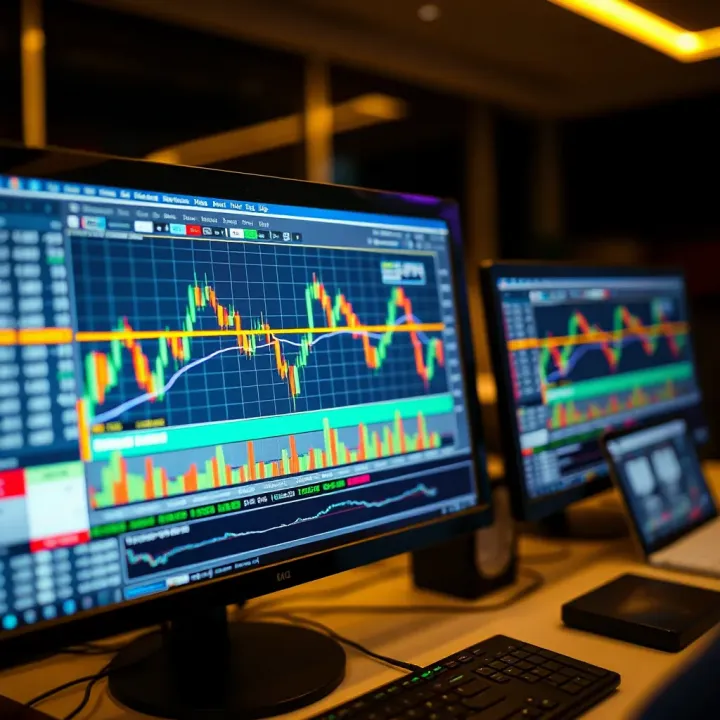
High liquidity means tighter spreads and better trade execution, beneficial for active traders. Pakistani traders often find better trading conditions during the London and New York sessions, which coincide with their afternoon and evening hours.
Knowing when the market is most active allows you to plan trades that reduce slippage and cost, improving your overall strategy.
Understanding these basics sets solid footing for anyone interested in forex trading, especially within Pakistan's unique market context.
Understanding the trading environment in Pakistan is essential for anyone interested in forex trading here. The framework dictates what’s allowed, how brokers operate, and which platforms you can use safely. This section breaks down the legal landscape and available options so you can trade confidently and avoid problems.
The State Bank of Pakistan (SBP) acts as the central regulator for all financial activities, including forex trading. While the SBP governs foreign exchange policies and manages the country’s currency reserves, it does not authorize retail forex trading directly. This means the SBP focuses on regulating currency flows and preventing illegal currency dealing, ensuring Pakistan’s financial stability.
For traders, this setup means that all forex activities involving the Pakistani rupee require compliance with SBP guidelines. Any cross-border currency transactions must adhere to its rules to avoid violations. The SBP’s oversight helps prevent unregulated forex dealings that could harm the economy.
In Pakistan, brokers offering forex trading services must be licensed by the Securities and Exchange Commission of Pakistan (SECP). Licensed brokers comply with specific capital requirements and must follow strict rules to protect traders’ interests. This licensing safeguards against fraud and provides legal recourse if issues arise.
However, many international brokers operate in Pakistan without direct SECP licensing, since the SECP mainly regulates local entities. Traders should verify a broker’s credentials and ensure they follow international standards, such as regulation by the U.K.’s FCA or Australia’s ASIC, to minimize risks.
The Pakistani government places several restrictions to control forex trading. For instance, trading directly with the Pakistani rupee on offshore platforms is strictly prohibited. Residents are encouraged to use brokers regulated by Pakistani authorities or internationally recognized regulators who comply with SBP’s foreign exchange rules.
Additionally, margin trading or leverage is generally limited to reduce excessive risk. These measures protect inexperienced traders from rapid losses triggered by volatile currency swings. Understanding these restrictions is key for staying compliant and trading safely.
Local Pakistani brokers offer the benefit of direct compliance with national regulations and easier access for fund transfers in rupees. Typical examples include brokers registered with the Pakistan Stock Exchange or those offering trading accounts denominated in PKR.
On the other hand, many traders prefer international brokers for their wider range of currency pairs and advanced platforms. These brokers often provide better spreads and more tools, but they require careful due diligence to avoid scams. Popular international names like IG, OANDA, and Forex.com are accessible in Pakistan through online channels, but their regulatory status varies.
Pakistan’s forex traders commonly use well-known platforms such as MetaTrader 4 (MT4) and MetaTrader 5 (MT5) due to their user-friendly interfaces and powerful analysis tools. These platforms work well with both local and international brokers.
Besides MetaTrader, platforms like cTrader and TradingView have gained popularity for their advanced charting and social trading features. Access to these platforms allows Pakistani traders to apply various strategies, from technical analysis to automated trading.
Traders should prioritize brokers that support reliable platforms and comply with regulations to ensure secure transactions and optimal trading conditions.
The forex trading environment in Pakistan is a mix of regulatory safeguards and access to diverse platforms. Staying informed about legal rules and choosing the right broker and platform are crucial first steps for successful trading in this landscape.
Forex trading, while offering opportunities, comes with notable risks and challenges, especially in Pakistan's unique market context. Understanding these hurdles helps traders make informed decisions, avoid common pitfalls, and protect their investments. This section breaks down the main risks related to market volatility, regulatory frameworks, and fraud, focusing on how they impact Pakistani traders.
Understanding currency price fluctuations is vital since forex trading thrives on changes in currency values. In the Pakistani context, the Pakistani rupee (PKR) often faces swings due to factors like inflation, trade deficits, or political instability. Such fluctuations can lead to rapid gains or losses. For example, a sudden depreciation of PKR against the US dollar might benefit traders holding USD positions but quickly erode profits if the trend reverses unexpectedly. Traders need to monitor economic indicators and be prepared for swift market movements.
Impact of global events dramatically influences forex markets worldwide, and Pakistani traders are not exempt. Events like changes in Federal Reserve interest rates, geopolitical tensions, or global pandemics can trigger significant currency shifts. For instance, when the US Federal Reserve adjusts rates, the USD's strength often changes, affecting PKR-USD trades. Pakistani traders should keep an eye on such events because even if the local economy seems stable, these external shocks can cause unexpected volatility.
Potential legal issues arise because forex trading in Pakistan operates in a regulated but complex environment. The State Bank of Pakistan restricts or limits some forex operations, and trading on unapproved platforms can risk legal penalties. Traders dealing with unregulated brokers or platforms might face blocked accounts or loss of funds. Staying informed about official guidelines can help avoid violations and ensure smoother trading.
Dealing with unlicensed brokers is a widespread challenge. Many international brokers operate online, but not all of them comply with Pakistani regulations or offer local protections. Engaging with unlicensed brokers exposes traders to fraud risk, withdrawal delays, or manipulated trading conditions. Pakistani traders should verify broker licenses through recognized international bodies like the Financial Conduct Authority (FCA) or the Commodity Futures Trading Commission (CFTC) before investing.
Recognizing fraudulent schemes is critical because forex attracts scammers targeting inexperienced traders. Fake promises of guaranteed returns, unregistered investment schemes, and bait-and-switch tactics are common. For example, some platforms might encourage depositing more funds by showing false profits only to freeze withdrawals later. Awareness of such tactics helps traders guard against costly mistakes.
Best practices for secure trading include vetting brokers thoroughly, using demo accounts first, and maintaining strict personal data security. Traders should avoid sharing sensitive information over unsecure channels and always use two-factor authentication for their accounts. Also, limiting leverage to manageable levels curbs the risk of rapid losses. These steps form a solid defense against scams and unwise trades.
The bottom line is that the forex market in Pakistan offers chances but also comes with non-negotiable risks. Knowing these specifics—currency volatility, global impact, legal constraints, and scam warnings—helps traders navigate more safely and confidently.
Starting your forex trading journey in Pakistan requires more than just jumping into the market—it’s about laying a solid groundwork. You need to understand how to set up a trading account, grasp basic strategies, and tap into the right educational resources. These steps not only enhance your chances of success but also protect you from common pitfalls.
Choosing a reliable broker is your first hurdle. Not all brokers serve Pakistani traders equally well. Look for brokers regulated by trustworthy authorities like the Financial Conduct Authority (FCA) or the Cyprus Securities and Exchange Commission (CySEC). For example, many Pakistani traders prefer brokers such as IG or FXTM for their solid reputation and local support options. Avoid unlicensed brokers that might operate without proper safeguards; the risks range from poor trade execution to outright scam. Always confirm a broker’s license status before depositing funds.
Account types and deposit methods vary widely, which affects your trading flexibility and costs. Brokers often offer standard, mini, or micro accounts, each with different minimum deposit requirements and trade sizes. For instance, a micro account might let you start with as little as $50, which is suitable if you want to test the waters. Deposit options should include local-friendly methods like bank transfers or digital wallets supporting Pakistani banks for seamless funding, avoiding excessive fees or delays.
Understanding technical vs. fundamental analysis is a must. Technical analysis studies price charts and patterns to predict future movements—perfect for short-term traders hunting quick profits. On the flip side, fundamental analysis dives into economic indicators and news, like Pakistan’s import-export data or U.S. Federal Reserve decisions, affecting currency values over time. Many traders mix both, combining a chart reading with awareness of key economic announcements.
Risk management techniques keep your capital safe amid forex’s volatility. Setting stop-loss orders limits potential losses, so you don’t lose more than you can handle on a single trade. Position sizing also matters—you might risk just 1-2% of your account per trade instead of betting it all on one move. For example, if your account has $1,000, that means risking no more than $10 to $20 per trade. Discipline in risk management prevents emotions from dictating poor decisions.
Learning forex trading is a process, and there’s plenty to help you along. Courses, webinars, and tutorials tailored for Pakistani traders can provide targeted knowledge. Platforms like Investopedia or local forex education centers offer materials explaining concepts clearly and practically. Webinars often include live trade examples, making abstract ideas more concrete.
Using demo accounts for practice lets you trade with virtual money before risking real cash. This builds confidence and helps you understand how orders work, how leverage affects your exposure, and how to execute strategies without stress. Most brokers provide free demo accounts where you can practice days or even months. It’s a safe space to make mistakes and learn without losing actual money.
Starting smart in forex trading means choosing the right broker, mastering basics, and learning continuously. These elements help traders in Pakistan take part in global currency markets with greater confidence and safety.
The future outlook for forex trading in Pakistan is a key topic for anyone involved or interested in this market. Understanding growth trends and regulatory developments helps traders anticipate changes that could affect their strategies and choices.
Increasing interest among retail traders has become quite noticeable over recent years. More Pakistanis are turning to forex trading as a way to supplement income or pursue full-time trading careers. For example, the rise of online trading communities on social media has fueled interest by sharing success stories and tips. This growing retail base indicates a broader acceptance and eagerness to engage in the global currency market despite local regulatory hurdles.
Technology and access improvements have played a significant role in expanding forex trading opportunities. With better internet infrastructure and the widespread use of smartphones, access to trading platforms like MetaTrader 4 and 5 or cTrader is easier than ever. Moreover, digital payment solutions, including e-wallets and international bank transfers, simplify funding accounts. These tech upgrades mean more traders can participate conveniently from their homes without heavy upfront costs or long delays.
Expected shifts in government policy could reshape the forex landscape in Pakistan. There's ongoing discussion about tightening controls to prevent unregulated trading and protect investors. Some proposals hint at clearer licensing requirements or mandatory disclosure of risks by brokers. These changes aim to create a safer environment that balances opportunity with oversight, which is particularly important as retail interest grows.
Impact on traders and brokers will depend on the exact nature of new regulations. Increased monitoring might limit some offshore brokers from serving Pakistani clients, pushing traders to local licensed entities. While this could mean fewer choices, it also tends to improve security and reduce fraud risk. On the broker side, stricter rules may raise operational costs, but they also build trust and legitimacy, drawing more serious traders.
The bottom line is that staying informed about market trends and regulatory shifts is essential. This awareness helps traders adapt swiftly, protect their investments, and seize emerging opportunities in Pakistan's evolving forex market.
📈 Learn forex trading in Urdu with this detailed guide made for Pakistani traders! Understand market basics, strategies, risks, plus practical steps to start trading safely.
📈 Understand live forex trading in Pakistan with this practical guide covering platforms, risk management, regulations, and steps to start trading confidently today.
Explore forex trading in Pakistan 🇵🇰 with this Urdu guide. Learn local regulations, popular platforms, smart strategies, risks, and beginner tips for safe trading.
📈 Learn how to start online forex trading in Pakistan with expert tips on brokers, strategies, risks, and local regulations for safe and smart investment decisions.
Based on 13 reviews