
Understanding Binary to ASCII Conversion
🔢 Learn how binary transforms into ASCII text step-by-step, including manual techniques, automation tips, common errors, and real-world computing uses in Pakistan.
Edited By
James Whitaker
The international dollar rate reflects the value of the U.S. dollar compared to other global currencies. It’s not a fixed number but changes constantly, influenced by economic events, government policies, and market demand. For anyone trading currencies, investing globally, or running a business with international ties, keeping an eye on this rate is essential.
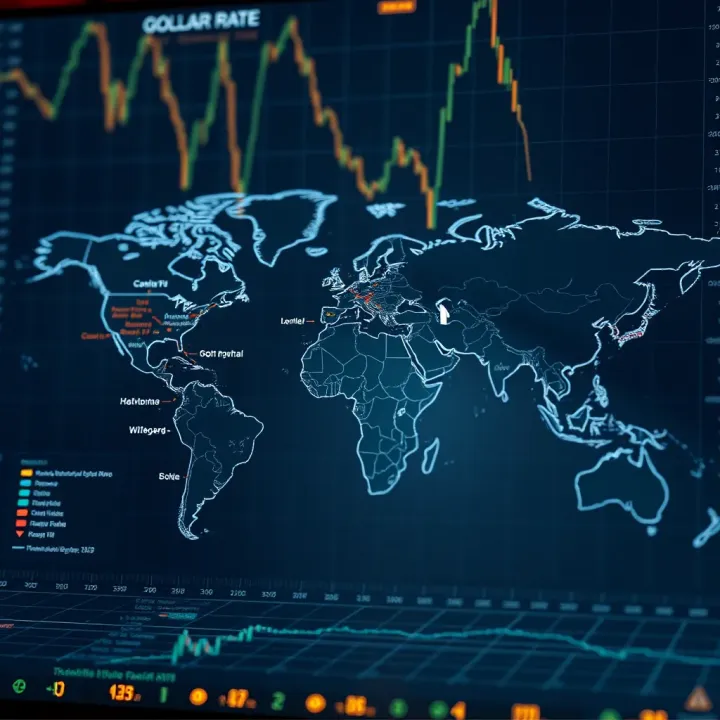
The rate is primarily determined in the foreign exchange (forex) market, where banks, corporations, governments, and traders buy and sell currencies. It’s a real-time price driven by supply and demand, affected by things like interest rates set by the Federal Reserve, trade balances, and geopolitical stability.
For example, if investors see the U.S. economy strengthening, they’ll likely buy more dollars, pushing its value higher. On the other hand, political uncertainty or rising inflation can cause the dollar to weaken as investors look elsewhere.
The international dollar rate has far-reaching consequences:
For traders and investors: It impacts profits on foreign investments and currency trades.
For businesses: Costs of imports and exports shift with dollar fluctuations, affecting pricing and margins.
For consumers: It influences prices on everyday goods like electronics or clothing imported from abroad.
Understanding the dollar rate isn’t just for experts; it directly affects your bottom line, whether you’re moving money overseas or shopping online.
You can monitor the dollar rate through financial news outlets, forex trading platforms, and government reports. Tools like Bloomberg Terminal and Reuters provide detailed, up-to-date info, while more accessible platforms like Yahoo Finance offer user-friendly currency charts.
Getting familiar with this rate helps make smarter decisions—whether you’re hedging risks or timing a currency transfer. Keep in mind that sudden market shifts can happen, so regularly reviewing the rate is key for anyone involved in the global economy.
Understanding the international dollar rate matters because it offers a clearer picture of real purchasing power across countries, beyond what you see in regular currency exchange rates. For traders and investors, this rate helps level the playing field to compare economic strength without the noise of market volatility or short-term currency swings.
Understanding purchasing power parity: At its core, the international dollar is based on purchasing power parity (PPP). PPP compares the cost of a standard basket of goods in different countries to determine how much local currency is needed to buy the same goods. For example, if a burger costs $5 in the US but only the equivalent of $3 in Mexico, PPP signals that the Mexican peso might be undervalued in terms of buying power. This concept is practical for investors assessing where to put money in relation to real economic strength and cost of living.
Distinction from the US dollar: Although often confused, the international dollar is a hypothetical currency unit, not the actual US dollar circulating in global markets. While the US dollar is used for direct transactions and reserves, the international dollar offers a standardized way to compare income levels, prices, and economic output worldwide. It smooths out exchange rate fluctuations, giving a steadier frame for analysis.
Uses in international comparison: The international dollar rate plays a key role in compiling economic statistics and reports by organizations like the World Bank and IMF. It allows economists and policy makers to compare GDP per capita or consumption levels across nations in a common denominator. This helps businesses gauge market potential and governments measure economic progress without misleading distortions from currency swings.
Nominal vs. real exchange rate: Nominal exchange rates are what you see quoted daily—they tell you how much one currency trades for another on the open market. However, these rates can be swayed by speculation, interest rate moves, or short-term events. The real exchange rate adjusts nominal rates by factoring in inflation differences, reflecting true purchasing power. The international dollar relies on PPP, which is closer to the real exchange rate concept, helping to avoid misinformation when making longer-term economic decisions.
Impact on trade and investment decisions: When companies decide where to export, invest, or source materials, relying solely on nominal exchange rates can be misleading. For instance, if a country’s currency plummets temporarily, imports might seem cheaper, but in reality, inflation or lowered purchasing power might counteract those savings. The international dollar rate offers a realistic baseline for evaluating competitiveness, long-term profitability, and risks tied to currency value changes.
In essence, the international dollar rate gives a clearer, practical tool to understand economic realities beyond the fluctuating spot rates seen in foreign exchange markets. Traders and investors can make smarter choices by focusing on this rate, which effectively balances out noise from short-term exchange rate moves.
Understanding what moves the international dollar rate is essential for traders and investors. The rate doesn't just fluctuate because of simple supply and demand; it's tied closely to economic reality backed by indicators and government actions. Let's break down the most influential factors.
Inflation erodes the purchasing power of a currency. When inflation rises in a country, its currency often weakens on the global stage because it buys less than before. For example, if U.S. inflation picks up unexpectedly, the international dollar rate could shift as traders anticipate a drop in dollar value. Interest rates have a strong connection here. Central banks frequently raise interest rates to fight inflation. Higher rates attract foreign investment seeking better returns, which strengthens the currency. In late 2023, the Federal Reserve's decision to keep rates high helped boost the dollar amidst global uncertainty.
The health of a country's economy is seen in its GDP growth. Strong growth signals a vibrant economy, which tends to support a stronger currency internationally. Investors are drawn to countries where business expands and profits grow, increasing demand for that currency. For instance, if the U.S. posts better-than-expected GDP growth in a quarter, it can push the international dollar rate up. On the flip side, sluggish growth or recession fears often weaken a currency since they hint at less economic opportunity.
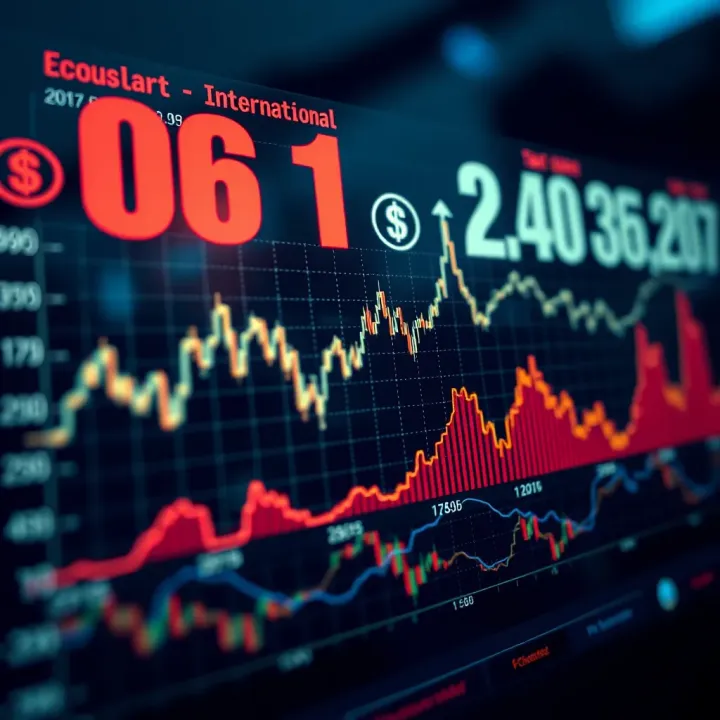
A country's trade balance—the difference between exports and imports—affects its currency's strength. A trade surplus means more foreign buyers need that currency to pay for exported goods, enhancing its demand. Conversely, a persistent trade deficit can pressure the currency lower because more domestic money flows out to pay for imports. The U.S. typically runs a trade deficit, influencing the dollar rate but balanced by other factors like investment inflows.
Central banks shape currency values through their monetary policy. Tools like setting interest rates or quantitative easing (injecting money into the economy) can sway the dollar's strength. When the Fed tightens policy by raising rates or shrinking its balance sheet, it generally pushes the dollar up. Traders interpret these moves as signals of dollar value relative to other currencies, impacting the international dollar rate.
Sometimes governments directly step into currency markets to influence rates, a tactic known as currency intervention. For example, if the dollar is too strong and hurts U.S. exports, the Treasury might intervene to weaken it. These actions can cause sudden shifts in the international dollar rate, but interventions often face limits because they can trigger retaliation or market instability.
Speculators play a significant role too. They trade currencies based on forecasts about economic data, policies, or geopolitical events. Their collective actions can amplify price swings beyond fundamental values. Take a scenario where rumors about new trade tariffs arise; even before official announcements, speculative trades can cause the dollar rate to jump or fall sharply. Professionals must watch these moves because they can create short-term opportunities or risks.
The bottom line is that the international dollar rate reflects a mix of hard economic facts and the market's expectations about the future. Staying informed about these key factors helps you anticipate currency movements with better clarity.
The international dollar rate does more than reflect mere numbers: it signals the economic mood and policy direction impacting global finance. Knowing what drives it puts you a step ahead in making smarter trading and investment decisions.
Knowing how to find the current international dollar rate matters a lot for traders, investors, and finance professionals. It’s not just about grabbing a number; it's about understanding the data behind that number, where it comes from, and how it reflects real-world conditions. The rate influences decisions like pricing exports, evaluating investment risks, and planning cross-border transactions. Without reliable and timely information, you could be flying blind in a fast-moving market.
The IMF provides trusted data on the international dollar rate through its International Financial Statistics and World Economic Outlook databases. This information is updated regularly and reflects collective economic data reported by member countries. For example, the IMF offers purchasing power parity (PPP) based exchange rates that adjust for differences in price levels between nations, giving you a more meaningful comparison than nominal exchange rates alone.
Using IMF data can help you see the bigger picture beyond daily currency fluctuations. Say you’re evaluating the economic health of Brazil versus Mexico; the IMF’s PPP-adjusted figures reveal real buying power differences rather than just market prices influenced by speculation or short-term factors.
Platforms like Bloomberg, Reuters, and CNBC provide up-to-date coverage on currency markets and international dollar rates. Their reports often include expert analysis, breaking news on market-moving events, and real-time data feeds. Unlike raw data sets, these platforms put numbers in context, helping you understand why the rate moves.
For instance, if a major central bank announces an interest rate change, financial news sites will offer insights into how this might impact the dollar’s strength globally. As a trader or investor, tracking these developments helps you anticipate market moves and make smarter decisions.
Online currency converters are handy for quick checks on the international dollar rate. Tools provided by sites like XE, OANDA, and financial apps offer real-time conversion using current market rates. They’re practical for day-to-day needs, like pricing imports or evaluating travel expenses.
However, these tools mostly reflect nominal exchange rates, which can swing dramatically in volatile markets. So, while converters give you an immediate snapshot, they don’t capture the whole story behind rate shifts—something long-term traders should keep in mind.
International dollar rate data updates vary by source but often refresh daily or even multiple times per day on financial news platforms. Official datasets like IMF’s update less frequently, sometimes quarterly or annually, focusing on broad economic trends rather than intraday movements.
Knowing this helps you pick the right tool for your needs. Spot traders might prefer real-time feeds from financial platforms, while analysts focused on economic trends lean on IMF reports. Remember, sometimes less frequent updates carry more reliable, less noisy information.
PPP adjustments are vital for interpreting international dollar rates meaningfully over time. Nominal exchange rates only tell part of the story—they reflect currency market prices that can be distorted by speculation, capital flows, or policy moves.
PPP considers local price levels, answering what you can actually buy with a dollar in different countries. For example, a dollar might buy more goods in Vietnam than in the U.S., even if the nominal exchange rate suggests otherwise. This adjustment is crucial when comparing global economic size, living standards, or making long-term investment decisions.
Bottom line: Relying solely on nominal rates can mislead. Combining current market prices with PPP data provides a clearer, practical understanding of what the international dollar rate truly means across borders.
The international dollar rate plays a significant role in shaping how businesses operate and how consumers experience prices, especially when cross-border transactions come into play. Whether you’re a trader managing imports or exports, or an investor eyeing overseas opportunities, knowing how this rate swings can save you from unexpected costs or losses.
When a business imports goods, paying attention to the international dollar rate is vital because it affects how much the cost translates into their local currency. For example, a U.S. company importing from Germany will see its costs fluctuate not just based on the euro’s value against the dollar but also on the purchasing power parity reflected in the international dollar rate. A stronger international dollar rate generally means that imports become more expensive, reducing profit margins unless companies adjust prices accordingly.
On the flip side, exporters benefit when their local currency weakens relative to the international dollar rate, making their goods cheaper in foreign markets. A small apparel brand in Mexico, for instance, might find its U.S. customers spending less when the international dollar weakens, leading to better sales figures.
Businesses often need to rethink their pricing strategies as the international dollar rate shifts. Those selling internationally must factor in currency fluctuations to keep prices stable or competitive. Some firms use hedging tools or price adjustments tied to periodic reviews of the international dollar rate.
Companies in sectors like electronics or commodities — which face volatile global demand and prices — have to be particularly agile. For example, a raw materials supplier might set flexible contract prices that account for expected changes in the international dollar rate to avoid eroding margins.
Investors eyeing foreign markets use the international dollar rate to gauge real returns after currency effects. Even if an investment in a foreign stock or bond yields 8% locally, the actual dollar return might differ significantly once currency shifts factor in. Take a U.S. investor considering real estate in Canada: if the international dollar rate indicates a weaker Canadian dollar compared to the U.S. dollar, their effective return shrinks unless the asset's value appreciates substantially.
Investment firms also watch this rate to spot emerging market opportunities. A favorable international dollar rate can signal cheaper assets relative to dollar valuations, prompting portfolio rebalancing.
Companies and investors face currency exposure when their earnings or assets are in different currencies. Managing this risk through currency hedges or natural offsets is crucial. An American tech firm with sales in Europe might use forward contracts to lock in exchange rates, reducing surprises caused by shifts in the international dollar rate.
On the consumer side, this exposure is less direct but still relevant—for example, Americans who travel abroad or buy imported goods can expect fluctuations in spending power depending on the international dollar rate.
The bottom line is the international dollar rate isn't just a distant economic concept—it directly impacts real-world decisions from pricing strategies to investment choices and the everyday cost of goods and services.
Understanding these implications helps traders, investment professionals, and consumers better navigate global financial waters and make smarter financial choices.
Tracking trends and understanding the outlook of the international dollar rate helps investors, traders, and finance professionals anticipate market shifts and make informed decisions. The rate doesn’t just change in isolation—it reflects a complex interplay of economic, political, and market forces. Staying on top of recent patterns and potential future changes can clarify risks and opportunities tied to currency exposure.
Historical rate movements reveal a lot about the international dollar’s stability and fluctuations over time. For example, in the aftermath of the 2008 financial crisis, the international dollar rate swung significantly as governments adjusted policies and markets reacted to uncertainty. More recently, the rate saw volatility during the COVID-19 pandemic as countries faced different recovery speeds. These past shifts help you understand how shocks ripple through currencies tied to the international dollar.
Understanding rate movements over time isn’t purely academic. Traders can use this knowledge to spot recurring trends or anomalies that might signal upcoming shifts. Investors may hedge currency risk more intelligently by recognizing when the international dollar rate is likely to strengthen or weaken.
Influence of global events plays a major role in shaping the international dollar rate. Take the trade tensions between the US and China starting in 2018—they pushed the international dollar to fluctuate as tariffs altered trade patterns and economic expectations. Likewise, events like Brexit affected currency comparisons between the dollar and other major currencies linked to international trade.
Political upheavals, natural disasters, or shifts in monetary policy can cause sudden jumps or drops in the rate, altering the economic landscape for businesses trading internationally. Keeping an eye on these events provides early warnings to adjust strategies accordingly.
Shifts in economic policy remain critical in shaping the international dollar rate’s path. When the Federal Reserve changes interest rates, it affects dollar liquidity and attraction compared to other currencies. For example, if the Fed raises rates, the dollar may strengthen, impacting international dollar measurements and cross-border investment flows.
Beyond the US, actions by central banks in emerging markets—such as tightening policies to fight inflation—can also influence the international dollar rate by changing capital flows and currency valuations. Understanding these policy moves helps anticipate currency risk and investment impact.
Emerging market dynamics are increasingly important in the rate’s outlook. Many emerging economies have grown to contribute significantly to global trade and finance. Brazil, India, and Southeast Asian countries, for example, show rising influence on international dollar valuations as their currencies interact with major ones.
Growth spurts or economic slowdowns in these regions can shift demand for dollars adjusted for purchasing power parity. Investors targeting emerging markets should watch how these dynamics evolve, as they can both create opportunities and add volatility in currency rates that connect back to the international dollar.
Staying current on these trends isn't just about numbers—it's about anticipating how tomorrow's economic shifts affect your portfolio, trade decisions, and risk management strategies.
🔢 Learn how binary transforms into ASCII text step-by-step, including manual techniques, automation tips, common errors, and real-world computing uses in Pakistan.

Learn how binary to BCD converters work, their key applications in digital electronics, and design challenges, explained clearly for engineers and students 📊🔧

Explore how binary division works in computing and digital electronics 📊. Learn practical methods and clear examples to master this key operation in simple steps.
Explore how binary search boosts efficiency in sorted C++ arrays 🚀, learn coding steps, common pitfalls, recursive & iterative methods, plus real-world uses.
Based on 9 reviews