
Forex Trading in Pakistan: Urdu Guide for Beginners
Explore forex trading in Pakistan 🇵🇰 with this Urdu guide. Learn local regulations, popular platforms, smart strategies, risks, and beginner tips for safe trading.
Edited By
Oliver Hughes
Forex trading is becoming increasingly popular in Pakistan, especially among traders eager to diversify their income sources beyond the traditional stock market or real estate. The foreign exchange market, or forex, involves buying and selling currencies to profit from changes in their values, working 24 hours a day due to its global nature.
For Pakistani traders, forex offers a chance to participate in a large, liquid market. However, it comes with unique challenges such as currency volatility affected by local economic indicators, government policies, and global events. For instance, fluctuations in the PKR versus the USD are closely linked to Pakistan's trade balance, remittances from overseas Pakistanis, and monetary policy changes announced by the State Bank of Pakistan (SBP).
Starting forex trading without a solid understanding can lead to significant losses, so educating yourself about the market mechanics and risks is key.
This guide is designed to help Urdu-speaking Pakistani traders grasp the essential concepts of forex trading—how the market works, what tools to use, and practical steps to get started safely.
Some fundamentals covered here include:
Currency pairs: How trading one currency against another works, such as USD/PKR or EUR/USD.
Leverage and margin: Powerful tools that magnify profits but also risks if used recklessly.
Trading platforms: Commonly used software like MetaTrader 4 or 5, plus local brokers verified by the Securities and Exchange Commission of Pakistan (SECP).
Analysis techniques: Basic technical and fundamental analysis tailored to forex.
Risk management: Practical tips to protect your capital, including stop-loss orders and position sizing.
By focusing on practical examples and the Pakistani financial environment, the guide aims to equip you to start trading with confidence and caution. Knowing how to read market signals, manage exposure, and select reliable brokers can make all the difference.
Take forex trading seriously, treat it like a business, and avoid risky shortcuts. With the right approach, you may find forex to be a useful addition to your financial toolkit in Pakistan's fast-evolving economy.
Understanding the basics and terminology of forex trading is the first step for any Pakistani trader who wants to enter this fast-moving market confidently. Without clear knowledge of core concepts, it’s easy to get lost or make costly mistakes. This section breaks down key terms and ideas in accessible Urdu-friendly language, helping you understand how forex trading works and how it differs from other financial markets.
Forex trading, or currency trading, involves buying one currency while simultaneously selling another. It’s the largest financial market in the world, where currencies are exchanged 24 hours a day. For example, a Pakistani trader might buy the US dollar (USD) against the Pakistani rupee (PKR), hoping the dollar’s value increases against the rupee so they can sell it later for a profit. In Urdu, you might hear it called "کرنسی کا کاروبار" which literally means trading of currencies.
Forex trading is unique because it depends on global economic factors and runs non-stop during business days, unlike stock markets which close at night or weekends. That makes forex very liquid and volatile, offering multiple opportunities for quick gains but also risks.
Unlike the stock market, where you buy shares of companies, forex trading deals in currency pairs. There are no physical assets; trading happens electronically over the internet through brokers. Also, forex trades use leverage, which means you can control larger amounts of currency with a smaller deposit.
For instance, when you trade shares of a company on the Pakistan Stock Exchange (PSX), your maximum loss is limited to the amount you invested in those shares. But in forex, due to leverage, your losses or gains can be much higher, which requires more careful risk management.
Currencies in forex are always traded in pairs, such as USD/PKR, EUR/USD, or GBP/JPY. The first currency is called the “base currency” and the second is the “quote currency”. For example, USD/PKR means one US dollar’s value in Pakistani rupees. Understanding pairs helps you know what you are buying or selling precisely.
In practice, if you buy USD/PKR at 280, you expect the dollar to strengthen so the rate may rise to 285, allowing you to sell for profit. Currency pairs also have categories: “major” pairs involve the USD and most-traded currencies, while “exotic” pairs include less common currencies.
A pip is the smallest price move in a currency pair, usually the fourth decimal point, like a 0.0001 change. It helps measure profit or loss precisely. For example, if USD/PKR moves from 280.00 to 280.50, that’s 50 pips.
Lots define the trading size. A standard lot is 100,000 units of the base currency, but many brokers offer mini or micro lots for smaller investments.
Spread is the difference between the buying (ask) and selling (bid) price. It’s essentially the broker’s fee and varies between brokers and currency pairs.
Leverage lets traders control larger amounts than their actual deposited capital, magnifying both profits and losses. A leverage of 1:100 means with Rs 1,000 deposit, you can trade Rs 100,000 worth of currency.
Margin is the required upfront amount to open a trade with leverage. It’s important to understand this because wrong use of leverage can wipe out your investment quickly.
Tip: Start with low leverage until you understand the market and always keep an eye on margin requirements to avoid unexpected losses.
Mastering these basics will give you a solid foundation to trade smarter and avoid common pitfalls in forex trading. This knowledge is especially useful for Pakistani traders facing dynamic local and international factors affecting currency values.
Understanding how the forex market operates both worldwide and within Pakistan is vital for any trader. This knowledge helps you identify prime trading opportunities, manage risks, and align your trades with market timings and local economic conditions. As forex is the largest financial market, its global functioning directly impacts currency values, including the Pakistani rupee (PKR).
The forex market centres around major global financial hubs including London, New York, Tokyo, and Sydney. These centres form trading sessions that overlap at different hours, creating periods of high liquidity and volatility. For example, London’s market activity starts around 3:30 pm PKT and overlaps with New York’s session until around 10 pm PKT, representing the most active and liquid period for trading pairs like EUR/USD or GBP/USD.
For Pakistani traders, recognising these timings helps avoid times of low liquidity when spreads often widen, potentially raising trading costs. The best times for trading usually fall between 3:30 pm to 10 pm PKT, when market activity peaks. Early morning hours in Pakistan, which align with the Tokyo and Sydney sessions, offer quieter markets suitable for cautious trading or analysis.
Geopolitical events, economic data, and central bank policies globally play a major role in forex price movements. For instance, decisions by the US Federal Reserve or European Central Bank can send ripple effects worldwide. A recent US interest rate hike caused the US dollar to strengthen against many currencies, including the PKR. Such developments require Pakistani traders to stay updated on news and macroeconomic indicators.
Locally, institutions like the Federal Board of Revenue (FBR) and the State Bank of Pakistan (SBP) influence forex through policies affecting trade, taxation, and monetary regulation. An increase in import duties by FBR can affect currency demand, while SBP’s interventions—as seen when it buys or sells dollars—impact PKR’s stability. Fluctuations in PKR against major currencies often reflect these local factors combined with global pressures, so successful trading depends on monitoring both.
The forex market’s global and local dynamics continuously shape currency values; understanding these forces is key to making informed trading decisions and managing risks, especially for Pakistani traders dealing with the rupee.
In summary, being aware of trading hours aligned to world centres and the interplay of economic policies equips you to plan your trades better and avoid surprises caused by sudden market shifts globally or locally.
Using the right tools and platforms is key to success in forex trading in Pakistan. These help you analyse the market, execute trades quickly, and manage risk effectively. Choosing reliable technology and trustworthy brokers ensures smoother trading, especially when dealing with volatile currency pairs like USD/PKR or EUR/PKR.
In forex trading, regulation matters a lot. Bodies like the Financial Conduct Authority (FCA) in the UK and the Securities and Exchange Commission of Pakistan (SECP) oversee brokers to keep trading fair and protect investors. For Pakistani traders, brokers licensed by SECP offer a certain level of trust and local support. Meanwhile, FCA-regulated brokers bring global standards, often following stricter rules on capital requirements and client money protection.
Verifying a broker before depositing money is crucial. Start with checking their registration with SECP or an international regulator like FCA or ASIC. Visit official regulatory websites to confirm licences and review any disciplinary history. You should also check reviews and forums where Pakistani traders share experiences, which can reveal signs of scams or poor service.
Local brokers based in Pakistan often understand the specific needs of Pakistani traders, such as supporting PKR deposits and managing local taxation issues. They might offer more personalised customer service with Urdu support. On the other hand, international brokers usually provide access to a wider range of currency pairs and advanced trading tools. However, they may not support PKR deposits directly, requiring currency conversion which can add cost.
MetaTrader 4 (MT4) and MetaTrader 5 (MT5) remain the most popular platforms among Pakistani forex traders. MT4 is widely appreciated for its simplicity and robust features like automated trading through Expert Advisors. MT5 offers improved charting options, more time frames, and additional order types, which help traders fine-tune their strategies. Both platforms support multiple languages, including Urdu translations, making them more accessible.
Mobile apps have changed forex trading by letting traders act on market moves anytime, anywhere. Brokers like IG, XM, and local ones offer apps compatible with Android and iOS, making it easy for Pakistani traders to monitor charts and place orders during commutes or even between prayer times. However, a reliable internet connection is necessary since apps depend on stable data, which can sometimes be an issue in remote areas.
Analysing market trends is essential. Tools like TradingView and built-in MT5 chart features allow traders to watch indicators such as moving averages, RSI, and Fibonacci retracements. For Pakistani users, platforms that provide real-time PKR currency pair data and economic calendar alerts regarding local factors like SBP monetary policy announcements are especially useful. These features help traders time their entries and exits better.
Selecting the right mix of brokers and platforms tailored to your trading style and local needs will improve your chances of actual profit in forex trading in Pakistan.
Embarking on forex trading requires a clear understanding of the practical steps involved, especially for Pakistani traders. This section outlines the essential actions needed to start trading confidently and securely. It covers everything from opening an account to basic strategies, making the process straightforward for beginners.
Required documents including CNIC: To open a forex trading account in Pakistan, you must submit certain official documents, including your Computerised National Identity Card (CNIC). The CNIC confirms your identity and residency, which brokers use to comply with regulatory requirements and prevent fraud. It’s important to have a valid CNIC and sometimes proof of address or income may be requested too. This process ensures that trading remains transparent and secure.
Account types and currency options: Forex brokers offer different account types to suit traders’ experience and budgets. For example, beginners might start with a micro or mini account requiring a smaller deposit, which limits risk. More experienced traders could use standard accounts with higher leverage. Additionally, most brokers allow accounts in USD or PKR, but since trading pairs are usually priced in USD, choosing an account allowing PKR deposits but trading in USD helps avoid exchange hassle. Pakistani traders should check these options carefully to find what fits their financial plans.
Depositing money safely in PKR: Depositing funds into a forex account is a delicate step. Pakistani traders can use popular banks offering online transfers or payment services like JazzCash and Easypaisa, which support secure PKR deposits. Always use brokers who support local deposit methods to avoid extra conversion fees or delays. Confirm that the broker follows State Bank of Pakistan (SBP) rules for foreign exchange transactions to ensure your money moves safely.
Trend following: This straightforward strategy involves identifying a currency pair’s overall direction—whether it’s moving up or down—and trading in that direction. For instance, if USD/PKR shows an upward movement over several days, a trend follower would buy expecting the trend to continue. This method suits beginners as it reduces guesswork and simplifies decision-making, focusing on the momentum rather than trying to predict reversals prematurely.
Support and resistance: These are key price levels where the currency tends to stop falling or rising. Support is like a floor preventing the price from dropping further, while resistance acts like a ceiling stopping the price from climbing higher. Recognising these levels helps traders decide when to buy or sell. For example, if EUR/USD approaches a known resistance level and fails to pass it, you might sell anticipating a drop. This strategy helps manage entry and exit points more precisely.
Risk management basics: Managing risk protects your money from big losses. Beginners should decide in advance how much they are willing to lose on each trade, usually not more than 1-2% of their total capital. Using stop-loss orders automatically exits a trade at a set loss level, preventing emotions from taking over during market swings. Additionally, avoiding excessive leverage is critical since it can amplify losses. Effective risk management is the backbone of long-term forex success.
Starting forex trading in Pakistan needs preparation and care. Following these practical steps will help you trade safely and build confidence in your decisions.
Trading forex is not just about spotting opportunities; it's equally about understanding the risks involved and managing your responsibilities as a trader. For Pakistani traders, being aware of these risks helps avoid significant financial losses and builds a strong foundation in trading discipline. Recognising the common pitfalls ensures you approach the market with a clear strategy and sound judgement.
Leverage allows you to control a larger trade size with a smaller deposit, amplifying both profits and losses. In Pakistan, many beginner traders get attracted by high leverage offers—sometimes up to 1:500—but this can quickly wipe out your account if the market moves against you. For example, if you use Rs 10,000 with 100 times leverage, a small 1% adverse change could result in your entire investment disappearing.
It's crucial to use leverage carefully and understand that higher leverage does not mean higher returns guaranteed. Instead, it increases exposure to risks. Starting with lower leverage like 1:10 or 1:20 is safer until you gain more experience.
Forex markets can swing wildly due to economic news, political events, or global crises. Pakistan's own currency fluctuations, influenced by SBP policies, FBR tax changes, and geopolitical developments, add to this unpredictability. For instance, sudden announcements by the State Bank of Pakistan or shifts in trade relations with neighbouring countries can trigger sharp rupee movements.
Volatility means prices can shift quickly, causing potential losses if you are not prepared. Traders need to factor in market conditions and avoid trading during uncertain times like national budgets or election periods unless experienced.
Pakistan sees a rising number of fraudulent forex schemes, fake brokers, and unauthorised platforms promising guaranteed profits. It's not uncommon to hear of traders losing their savings due to phishing sites or unregulated brokers that vanish after collecting deposits.
Always verify the broker's registration with SECP (Securities and Exchange Commission of Pakistan) or recognised international bodies, and avoid deals that sound too good to be true. Using well-reviewed platforms like MetaTrader through trusted firms reduces scam risks.
A stop-loss order is a simple but powerful tool to limit potential losses on any trade. By deciding beforehand the maximum loss you can tolerate and placing a stop-loss, you avoid being caught off guard when the market moves unfavourably.
For example, if you buy USD/PKR at 280 and set a stop-loss at 275, your position will automatically close to cut losses if the rate falls to 275. This discipline helps protect your capital and brings emotional stability.
Emotional control separates successful traders from those who lose money. Fear or greed can lead to rash decisions like overtrading or ignoring exit points. Pakistani traders often get influenced by peer pressure or hype, especially on social media.
Maintaining a calm, rational mindset and sticking to your trading plan prevents impulsive moves. Practising demo trading first helps build confidence without risking money.
The forex market evolves constantly; new patterns, tools, and regulations emerge regularly. Committing to ongoing education enables you to stay updated and adapt strategies accordingly.
Taking courses in Urdu, following Pakistani financial news, and joining trader communities aid learning. Without continuous improvement, even experienced traders risk falling behind.
Protecting your investment means respecting the risks, controlling emotions, and remaining curious. This approach helps Pakistani traders navigate forex with greater confidence and fewer setbacks.
Explore forex trading in Pakistan 🇵🇰 with this Urdu guide. Learn local regulations, popular platforms, smart strategies, risks, and beginner tips for safe trading.
📈 Understand live forex trading in Pakistan with this practical guide covering platforms, risk management, regulations, and steps to start trading confidently today.
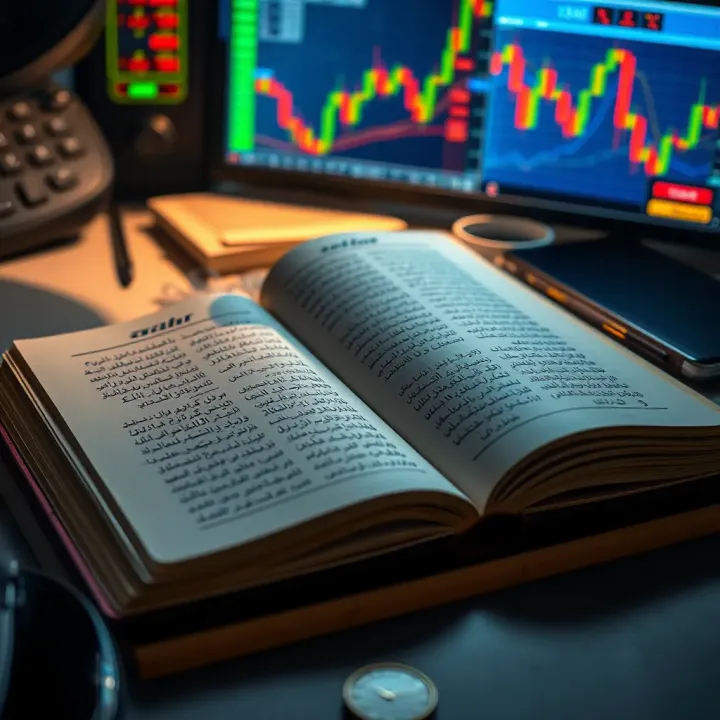
📘 Explore forex trading basics in Urdu tailored for Pakistani traders. Get trustworthy books, trading tips, challenges, & improve skills with local insights.
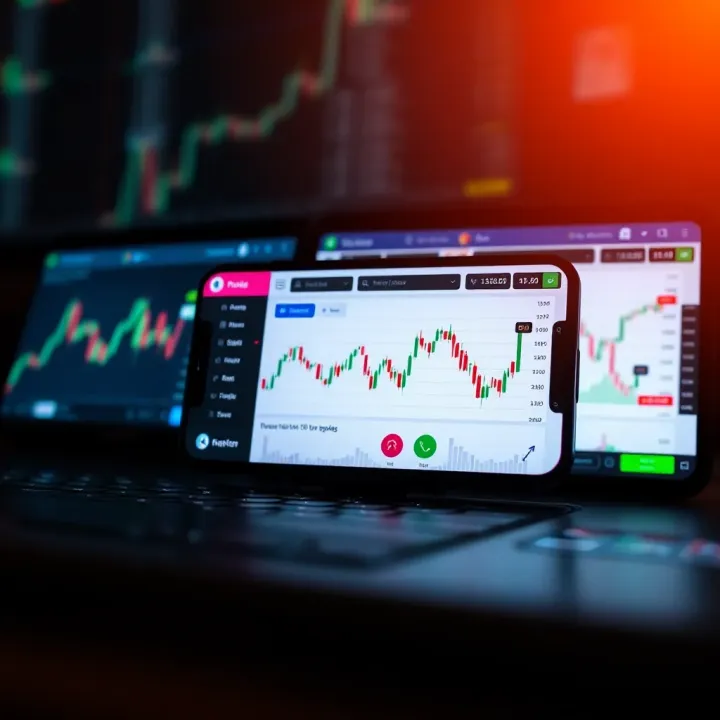
Explore top trading apps in Pakistan 📱! Compare features, security 🔒, costs 💰, and get expert tips for safe investing. Perfect for beginners & pros.
Based on 11 reviews