

Forex Trading in Pakistan: Urdu Guide for Beginners
Explore forex trading in Pakistan 🇵🇰 with this Urdu guide. Learn local regulations, popular platforms, smart strategies, risks, and beginner tips for safe trading.
Edited By
Oliver Hughes
Live forex trading has become increasingly popular among Pakistani traders looking to profit from currency movements. Unlike traditional investment routes, trading foreign exchange (forex) means buying one currency while simultaneously selling another. This market operates 24 hours a day during weekdays, providing flexibility that suits various trading styles—from day trading to long-term position holding.
Understanding the basics of live forex trading is essential before you dive in. The market's liquidity and volatility can offer attractive profit opportunities but also come with significant risk. For instance, USD/PKR (US dollar to Pakistani rupee) trading is frequently influenced by Pakistan’s economic indicators, political events, and SBP (State Bank of Pakistan) policies, making it one of the currency pairs local traders watch keenly.
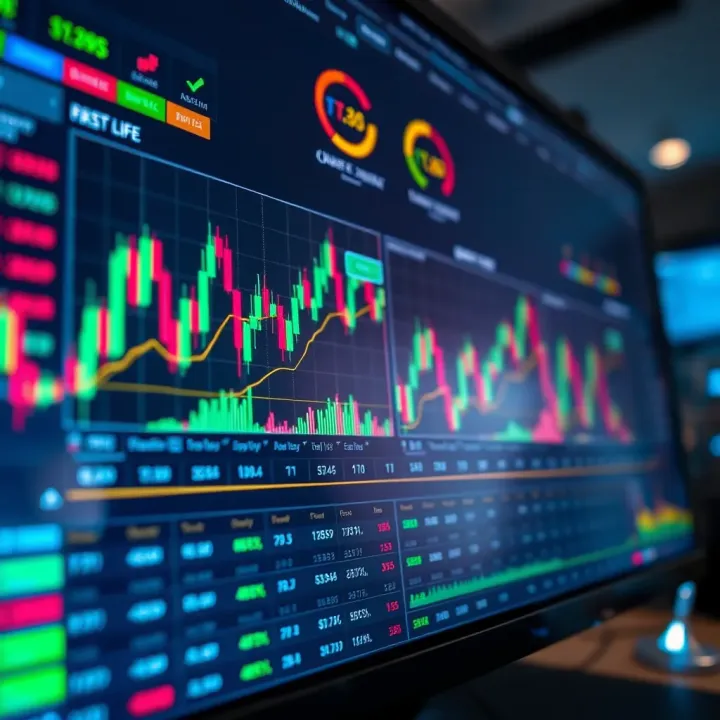
Traders use specialised software called trading platforms to access live market data, place orders, and manage positions. Popular platforms include MetaTrader 4/5 and proprietary software from brokers approved by reputable regulatory bodies. These platforms allow charting, technical analysis, and executing trades in real time, helping you respond swiftly to market changes.
Risk management is your safeguard. Clearly defining your risk per trade and using tools like stop-loss orders help limit losses, which is crucial considering forex markets can move sharply within minutes.
In Pakistan, regulatory oversight by the Securities and Exchange Commission of Pakistan (SECP) and PTA (Pakistan Telecommunication Authority) aims to ensure that brokers comply with legal and security standards. However, traders must remain vigilant against scams and unregulated brokers offering unrealistic returns. Always verify a broker’s licence and reputation.
Getting started requires:
Opening a trading account with a regulated broker
Depositing funds typically starting from a few thousand rupees
Familiarising yourself with demo accounts to practise without risking real money
Learning technical and fundamental analysis relevant to forex markets
The forex market might seem complex, but with the right preparation and discipline, it offers a transparent avenue for Pakistani traders to engage in currency trading actively.
This guide will walk you through the practical steps to join live forex trading confidently, helping you understand the opportunities and pitfalls in this dynamic field.
Understanding the fundamentals of live forex trading is essential for Pakistani traders who want to navigate this market confidently. This foundation gives practical insights into how currency trading operates in real time, the market players involved, and key factors that influence pricing. Mastering these basics helps manage risks and make informed decisions instead of trading blindly.
Live forex trading refers to the actual buying and selling of currency pairs on the foreign exchange market with real money and real-time execution. Unlike opening a demo or simulated account, trades are carried out directly in the market, with actual gains or losses impacting your balance immediately. This form of trading exposes you to real market conditions and emotions, which are not fully replicable in practice environments.
A key feature of live trading is immediate order execution at current market prices, influenced constantly by global economic news, geopolitical events, and demand-supply dynamics. For example, if the US Federal Reserve raises interest rates, USD pairs like USD/PKR may quickly respond, reflecting traders' expectations.
Demo trading offers a risk-free environment by using virtual money to place trades. It's valuable for beginners to learn platform navigation and test strategies without financial consequences. However, it does not replicate the psychological pressures of losing real money or slippage that may occur during volatile conditions.
Live trading, by contrast, demands discipline and risk management since decisions affect your actual capital. For instance, even if a demo account shows profits through risky trades, executing the same in live conditions could lead to losses, especially if emotions like fear or greed influence choices.
In Pakistan, a few currency pairs dominate traders’ attention. The most popular include USD/PKR due to its direct linkage with the domestic economy, EUR/USD for access to the Eurozone’s markets, and GBP/USD reflecting the strength of the British pound. These pairs often have higher liquidity and tighter spreads, essential features for efficient trading.
Pakistani traders should understand that the forex market is open 24 hours during weekdays but divided into distinct sessions: Asian, European, and US. Trading volumes and volatility change with these sessions. For example, the New York session (around 10:00 am to 7:00 pm PKT) often brings high activity and price movement, presenting opportunities for day traders.
Tip: Aligning your trading hours with the market sessions where your preferred currency pairs are most active improves chances of better liquidity and execution.
Understanding these global timings and their impact on forex dynamics helps traders in Pakistan better time their market entries or exits, avoiding periods of low activity when spreads widen or price moves are erratic.
This foundational knowledge is a must-have for anyone serious about succeeding in live forex trading within Pakistan’s context. It sets the stage for strategic planning and realistic expectations.
Starting live forex trading in Pakistan means understanding the practical steps that help you enter the market confidently and safely. The right approach not only keeps your funds secure but also increases your chances of consistent profits. This section focuses on selecting a trustworthy broker, setting up your trading account, and using the tools needed for effective trading.
Selecting a broker is the first and most important step for any trader. A reliable broker provides transparent pricing, solid customer support, and fast execution of trades. In Pakistan, many traders are tempted by flashy promises and low spreads, but it’s crucial to check the broker’s credibility through independent reviews and trading licences. A good broker should clearly state their fees, leverage options, and withdrawal conditions.
Trustworthiness also means proper regulation. Pakistani traders should look for brokers complying with local regulations or those regulated by internationally respected bodies like the Financial Conduct Authority (FCA) or Australian Securities and Investments Commission (ASIC). Avoid brokers who operate without clear licences or those with many unresolved complaints.
The importance of compliance with the Pakistan Telecommunication Authority (PTA) and the State Bank of Pakistan (SBP) cannot be overstated. Brokers operating legally in Pakistan must follow PTA rules on internet trading services, ensuring your access remains uninterrupted and secure. Meanwhile, SBP compliance means brokers handle PKR transactions under Pakistan’s financial laws. This reduces risks related to sudden account freezes or issues with converting your funds back to Pakistani rupees.
When opening a trading account, you’ll find different types that suit beginner or advanced traders, such as micro, standard, or Islamic accounts. Most brokers now offer accounts funded directly in PKR, which saves you from exchange charges every time you deposit or withdraw. For example, with a Rs 50,000 initial deposit, you can comfortably test market movements without risking large sums upfront.
Installing trading platforms like MetaTrader 4 or MetaTrader 5 is next. These platforms are widely popular in Pakistan due to their user-friendly interfaces and powerful tools for analysis. Once installed on your mobile or desktop, you get live charts, automated trading options, and alerts customised to your trading strategy. Many brokers offer educational support on platform use, which is handy especially when the market reacts quickly.
Remember, a smooth trading experience depends on both a reliable broker and the right tools. Taking time at this stage can protect you from losses caused by poor platform performance or broker issues.
In summary, getting started in live forex trading in Pakistan requires careful broker selection, understanding local compliance, choosing the right account type, and mastering the technical tools. Following these steps sets a strong foundation before you place your first live trade.
Managing risk is the backbone of successful live forex trading, especially for traders in Pakistan where market unpredictability can catch many off guard. Effective strategies protect your capital and help maintain steady performance, even during volatile times. Without proper risk management, a single wrong move may lead to sizeable losses difficult to recover from.
Market volatility refers to the frequency and extent of price fluctuations in the forex market. In Pakistan’s context, volatility can spike sharply during announcements like SBP monetary policy changes or when geopolitical tensions rise in the region. These ups and downs result from traders reacting to shifts in supply and demand, economic data releases, or sudden political developments.
Prices don’t move randomly; rather, they respond to underlying factors like interest rate announcements, inflation data, and currency interventions by central banks. For example, when the U.S. Federal Reserve announces a change in interest rates, the US Dollar often strengthens or weakens in response, affecting related currency pairs like USD/PKR. Understanding these volatility triggers allows traders to anticipate risks and prepare strategies accordingly.
News events massively influence the forex market. Global headlines—such as conflicts, trade deals, or natural disasters—cause rapid price swings. For instance, a sudden surge in oil prices due to Middle East tensions can impact PKR’s value because of its effect on Pakistan’s import bills. Traders who keep tabs on economic calendars and news feeds can adjust positions or pause trading to avoid unexpected losses.
Staying aware of both local and global news is vital to safeguard your trades during periods of heightened market activity.
One essential tool is setting stop-loss and take-profit orders. A stop-loss order automatically closes your trade if the market moves against you by a certain amount, limiting potential losses. Conversely, a take-profit order locks in gains when the price hits a predefined level. For example, if you buy EUR/USD at 1.1000, you might set a stop-loss at 1.0950 (to cap losses at 50 pips) and a take-profit at 1.1100 (to secure profits at 100 pips). This prevents emotional trading and enforces discipline.
Position sizing and leverage control are equally important. Position sizing means deciding how much money you put on a single trade based on your overall account size and risk tolerance. If your trading account holds Rs 100,000, risking 2% per trade means you risk Rs 2,000 only. Meanwhile, leverage allows you to control a larger position than your capital. But too much leverage increases risk and amplifies losses. Pakistani brokers often offer leverage of up to 1:100, but it’s wise to use it conservatively, say 1:10 or 1:20, especially for beginners.
Properly managing these aspects ensures that one poor trade doesn’t wipe out your account. The goal isn’t to avoid losses entirely—that’s impossible—but to control them so you can trade another day with minimal damage.
With clear risk management and an eye on volatility drivers, traders can navigate live forex markets with much more confidence and improved chances of long-term success.
Regulations provide the framework that ensures transparency and safety for forex traders in Pakistan. Given the risks involved in live forex trading, staying compliant with local laws and understanding the rules set by regulatory bodies protects traders from fraud and legal trouble. These regulations mainly cover broker licensing, trading practices, and taxation, all of which impact how Pakistani traders operate within the forex market.
The State Bank of Pakistan (SBP) and the Securities and Exchange Commission of Pakistan (SECP) monitor financial activities, including forex brokerage services. Licensed brokers must be registered with these authorities, ensuring they meet minimum capital requirements and maintain transparent trading practices. For you as a trader, choosing a licensed broker means funds are safeguarded under SEC rules, and disputes are more likely to be resolved fairly. Brokers operating without proper licensing pose a high risk and may not comply with anti-money laundering (AML) or know-your-customer (KYC) standards.
While brokers have direct licensing requirements, individual forex traders must also follow legal guidelines. This includes trading only with authorised brokers and adhering to rules against speculative practices that the SBP monitors. If forex trading is treated as an investment activity, traders may have to submit proof of their transactions during audits or financial investigations. Being aware of legal obligations, such as avoiding banned platforms or schemes declared illegal by SECP, protects you from penalties and legal complications.
Profits from forex trading are subject to taxation by the Federal Board of Revenue (FBR). You must disclose income generated from forex trading in your annual tax returns to avoid tax evasion charges. Though forex profits may not always have straightforward classification under capital gains or business income, reporting them transparently keeps you clear of legal scrutiny. Keeping detailed records of your trades and related bank account statements helps you declare accurate income figures on your FBR returns.
Forex trading often involves sending and receiving funds across borders, with brokers usually located overseas. Pakistan's banking and regulatory framework requires that cross-border money transfers related to forex trading be routed through official foreign exchange channels approved by SBP. Using informal channels or hawala networks for fund transfers can attract penalties. Additionally, declaring these transactions properly ensures compliance with anti-money laundering laws, especially when repatriating profits back into Pakistan.
Staying up to date with SBP and SECP regulations, filing correct tax returns, and handling cross-border payments responsibly are essential steps to trade forex legally and securely within Pakistan.
Understanding this regulatory environment not only guards you against fraud but also builds confidence in your trading activities, paving the way for more sustainable and compliant forex trading.
Forex trading in Pakistan comes with unique challenges that every trader must acknowledge. Issues like loadshedding and unstable internet connections can sharply impact live trading, where timing and swift responses to market changes are vital. Beyond technical hurdles, psychological discipline plays a major role in a trader’s success, as emotional swings can lead to impulsive decisions. This section addresses these major obstacles, offering practical advice to help Pakistani traders stay on course.
Loadshedding disrupts the power supply unpredictably across many parts of Pakistan, directly affecting the continuity needed for live forex trading. Even a brief power cut can cause disconnection from trading platforms, missed price movements, and delayed order executions. Similarly, internet instability—whether due to overloaded networks or poor infrastructure in remote areas—can break your connection at crucial moments, resulting in potential losses.
Many traders face frustration when they’re unable to monitor or execute trades in real-time, especially during volatile market hours that coincide with loadshedding schedules in their locale.
To mitigate these risks, traders should invest in reliable backup options. A UPS (Uninterruptible Power Supply) system provides short-term power during outages, enough to save your position or close active trades safely. For longer outages, a petrol-operated generator can keep your computer and internet devices running.
Regarding internet, a second connection such as a 4G LTE mobile hotspot from providers like Jazz or Zong can serve as a failover in case the primary broadband fails. Some traders even use two internet providers simultaneously to ensure a stable connection. Keeping mobile data packages topped up and regularly testing speeds before market hours can prevent frustrating disconnections.
Practical tip: Align your trading schedule to avoid local peak loadshedding times if possible, and always have a backup power and internet plan ready.
Live forex trading can be emotionally draining. The stress of losing money, even temporarily, often triggers panic or overconfidence, both harmful to a trader’s balance sheet. Emotional decisions tend to override logic, leading to chasing losses or exiting profitable trades too early.
Pakistani traders should develop strategies to manage these psychological pressures — for instance, taking short breaks during stressful sessions or setting predefined limits on daily losses. Practising mindfulness or simply stepping away from screens for a few minutes helps regain focus.
Discipline in tracking your trades provides clear insights into what works and what doesn’t. Keeping a trading journal that notes entries, exits, reasons for trades, and emotional state helps identify patterns and avoid repeating mistakes.
Consistent record keeping is particularly vital in Pakistan, where traders might balance forex with other work and responsibilities. Using spreadsheet software or dedicated trading apps for this purpose makes review easier and ensures you remain accountable to your trading plan.
Remember: Successful trading depends not just on market knowledge but also on emotional control and diligent record keeping. These practices improve decision-making and profitability over time.
By tackling technical interruptions with backup solutions and managing psychological challenges proactively, Pakistani traders can protect their positions and increase their chances of long-term success in live forex trading.
Explore forex trading in Pakistan 🇵🇰 with this Urdu guide. Learn local regulations, popular platforms, smart strategies, risks, and beginner tips for safe trading.
Explore top trading apps in Pakistan 📱! Compare features, security 🔒, costs 💰, and get expert tips for safe investing. Perfect for beginners & pros.
Find the best forex trading platform for Pakistani traders 🇵🇰. Learn about features, costs, regulations, usability & tools to make smarter trades! 💹
Looking for the best forex trading broker in Pakistan? Learn to evaluate regulation, fees, platforms & customer support to trade smartly. 💹💼
Based on 5 reviews