

Binary Search in C++: How to Code and Use It
🔍 Learn binary search in C++ with clear steps, coding tips, and comparisons to linear search to boost your project's search efficiency efficiently.
Edited By
Liam Walker
Project risk management is the backbone of any successful venture, especially in Pakistan’s dynamic economic and regulatory environment. It means identifying potential threats early, understanding their impact, and planning steps to either avoid or manage them. For traders, investors, and finance professionals, mastering this process reduces surprises that could derail budgets or timelines.
Risk in projects can take many forms: from exchange rate swings and sudden regulatory shifts to supply chain disruptions and even localised events like loadshedding affecting technology or production. Ignoring these risks can lead to costly delays or lost opportunities.
Managing risks exactly when and where they emerge allows teams to stay on schedule and control costs effectively, avoiding hasty decisions or last-minute damage control.
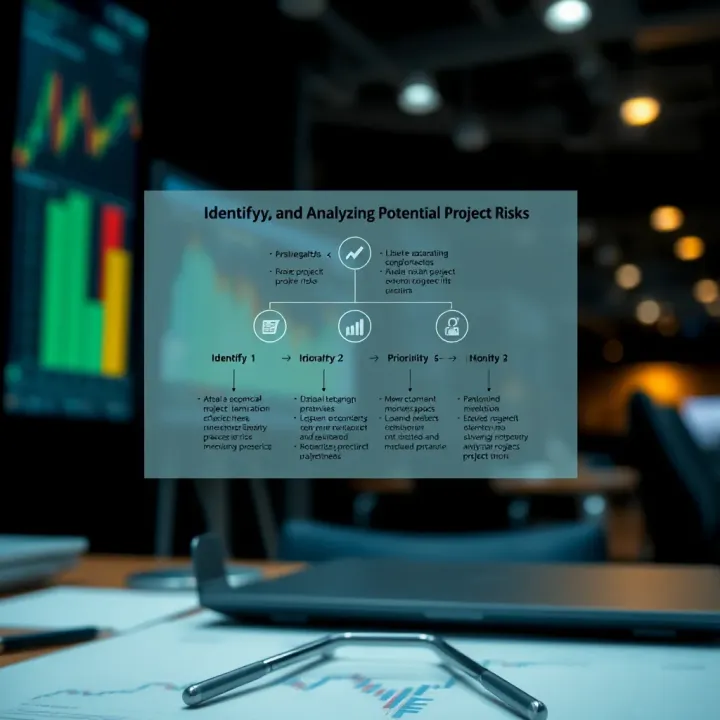
Below are the main stages that make the project risk management process practical and actionable:
Start by listing potential risks through brainstorming, historical data review, and consultation with experts familiar with the local market. For example, a construction project in Karachi might identify risks related to monsoon flooding and material shortages due to import delays at the port.
Assess each identified risk based on its likelihood and impact. Tools like risk matrices help categorise risks into high, medium, or low priority. Say a currency fluctuation risk is high due to recent rupee volatility, while minor supply delays might be medium.
Focus resources on risks with the biggest potential to hurt the project’s timeline or budget. This targeted approach ensures efficient use of limited risk management funds and effort.
Develop clear strategies such as avoiding the risk by shifting schedules, transferring risk through insurance or contracts, mitigating by adjusting project plans, or accepting minor risks with contingency plans. For example, a company might buy forward contracts to hedge against currency risk.
Regularly review risk status throughout the project to catch new risks or changes in existing ones. Use dashboards or regular meetings to track risk indicators, enabling quick responses if a risk begins to materialise.
These steps help translate risk management from an abstract idea into concrete actions that protect investments and project outcomes in Pakistan’s unique business climate.
Understanding project risk is vital for project success, especially in Pakistan's dynamic business environment. Risks are uncertainties that can affect project timelines, costs, and quality. Being aware of these risks early allows teams to plan better and minimise disruptions.
Project risk refers to any uncertain event or condition that may affect the project’s objectives if it occurs. It’s not just about things going wrong; it also includes potential opportunities that could lead to positive outcomes. For instance, a delay in material delivery is a risk, just as spotting a new supplier with better rates is an opportunity.
Local projects often face risks unique to Pakistan. These include:
Political Risks: Sudden policy changes or instability can halt projects unexpectedly.
Infrastructure Challenges: Frequent loadshedding and transport delays impact progress.
Resource Constraints: Skilled labour shortages or limited access to quality materials can cause setbacks.
Economic Uncertainties: Fluctuations in currency rates and inflation affect project budgets.
Imagine a construction company in Karachi facing delays because of sudden petrol shortages, combined with unplanned power cuts. These exemplify real risks requiring careful management.
Ignoring risks or handling them poorly can lead to:
Budget Overruns: Unexpected costs pile up, pushing projects beyond planned funds.
Delays: Project deadlines slip, disappointing clients and hurting reputations.
Reduced Quality: Compromises on material or workmanship to meet deadlines harm outcomes.
Lost Opportunities: Failing to identify beneficial risks means missed chances for improvement or savings.
"Failing to prepare is preparing to fail" rings particularly true in project risk management. Neglecting to identify and address risks can cascade into problems far bigger than initially foreseen.
By clearly understanding these risks and their impact, Pakistani project teams can approach each phase with greater confidence. This awareness supports smarter decision-making, more accurate forecasting, and ultimately smoother project delivery in challenging conditions.
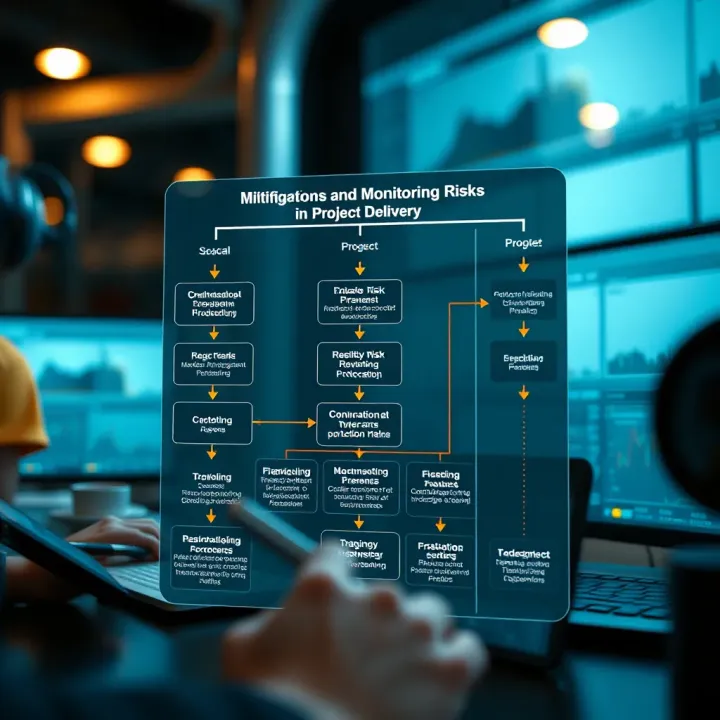
Understanding the stages of project risk management is essential for effectively dealing with uncertainties that can affect a project's success. Each stage offers practical ways to identify, assess, respond to, and monitor risks relevant to the project's environment, especially in Pakistan where factors like regulatory shifts and infrastructure challenges play a big role.
Brainstorming involves gathering project team members and stakeholders to openly discuss potential risks. This method taps into collective experience and local insights, uncovering threats that might not show up in documents. For instance, in a construction project in Karachi, brainstorming might reveal security risks near the site that official checklists miss.
Consulting with experts helps capture specialised knowledge that may not be present within the core team. Pakistani projects benefit from involving local experts familiar with government procedures or sociopolitical factors. Such interviews can uncover subtle risks, like delays due to lengthy regulatory approvals.
Using checklists based on past projects helps ensure common risks aren’t overlooked. Historical data provide real examples—for example, previous road-building projects in Punjab often faced flooding during monsoons. These insights guide preparation and risk mitigation efforts.
SWOT analysis examines Strengths, Weaknesses, Opportunities, and Threats relevant to the project. It assists in spotting internal weaknesses like poor vendor reliability and external threats such as economic instability or political unrest, both common concerns in Pakistani projects.
This method categorises risks based on their severity and likelihood, often using risk matrices. It helps teams quickly understand which risks demand immediate attention. For example, remote site access issues might be high-impact but low-probability, while frequent loadshedding is a high-likelihood, medium-impact risk.
Quantitative analysis uses numerical data and models to estimate risk impact, such as potential cost overruns or schedule delays. In Pakistani infrastructure projects, this could mean assessing the financial risk of fluctuating currency rates or inflation.
Assessing how likely a risk is and its impact helps rank risks properly. A harbour development project in Gwadar might rate regulatory delays as high probability with severe impact, requiring top priority in response planning.
Risk avoidance means changing the project plan to eliminate risk. If a power plant project faces high loadshedding risks, selecting a site with more reliable electricity supply is a practical avoidance measure.
Mitigation reduces the chance or impact of risks. Using backup generators or investing in higher grade materials to withstand harsh climate conditions are typical mitigation efforts.
Transferring risk often involves contracts and insurance. For example, construction projects may shift liability for subcontractor delays through clear contracts or purchase insurance against political disturbances.
For some risks, acceptance is the chosen route, accompanied by contingency plans. Delays due to monsoon rains might be accepted if unavoidable, but extra buffer time is added to the schedule to cope.
Risk triggers are early warning signs indicating that a risk event may occur. Continuous monitoring helps detect these signals, like an upcoming government policy announcement affecting project permits.
Scheduled risk reviews keep the risk management process current. Pakistani teams might hold monthly meetings to reassess risks given changing economic or security conditions.
The risk register records all risks and their statuses. Regular updates with new information ensure decisions are based on the latest data, helping teams respond swiftly to emerging threats.
Effective risk management is a cycle, where each stage feeds into the next, making sure risks are managed before they turn into costly problems. For Pakistani projects, being systematic across these stages helps avoid delays, control costs, and improve overall project success.
Managing project risks manually can be overwhelming, especially for complex projects with many moving parts. Using appropriate tools and software improves accuracy, tracking, and communication. These solutions help project managers in Pakistan handle risks systematically, ensuring timely updates and better decision-making.
Microsoft Project is a widely used project management tool in Pakistan that also supports risk management. It allows you to link risks with specific tasks and timelines, making it easier to see how a risk might affect the project schedule. For example, if a critical supplier delays delivery, you can quickly identify impacted activities and reschedule accordingly. Besides scheduling, Microsoft Project offers dashboards and reports that help track risk exposure over time, enabling more proactive responses.
Primavera is favoured for large-scale infrastructure and construction projects in Pakistan, such as roadworks or housing schemes. Its strength lies in detailed resource and cost management combined with risk analysis features. Primavera can model the impact of risks quantitatively, giving project managers insights on potential cost overruns or resource shortages. This feature is particularly helpful in Pakistani projects faced with frequent supply chain disruptions or regulatory changes.
Risk Registers in Excel remain a practical, low-cost option for many Pakistani firms. An Excel-based risk register provides a simple way to list risks, assign owners, record mitigation actions, and update risk status regularly. While it lacks automation, its flexibility and familiarity make it accessible for smaller teams or projects without budget for dedicated software. Project managers can tailor registers to track Pakistan-specific risks like loadshedding or customs delays.
Cloud-Based Platforms like Asana, Trello, or Microsoft Teams are becoming popular tools for managing risks collaboratively in real time. These platforms allow teams spread across different locations in Pakistan to update risk information instantly and share documents in one place. A project team working on an energy project can, for example, record emerging risks during site visits and alert managers immediately through cloud platforms, reducing communication lag.
Mobile Apps for On-Site Risk Reporting provide practical benefits where field conditions change rapidly. Apps like PlanGrid or Safesite let workers report hazards or incidents directly from the construction site using smartphones or tablets. This instant reporting helps senior managers in Karachi or Islamabad react quickly to issues such as unsafe work conditions or unexpected weather damage, improving overall risk response speed and accuracy.
Using the right tools can transform how a project team manages risks, cutting delays and saving costs. Selecting software that suits the project's size and local context in Pakistan is key to getting the best results.
By blending traditional tools like Excel with modern digital platforms and mobile apps, project teams in Pakistan can build a robust risk management system tuned to their realities and challenges.
Project risk management in Pakistan faces unique hurdles shaped by the country's social, economic, and institutional framework. Understanding these challenges helps traders, investors, and finance professionals anticipate obstacles and devise practical strategies. Effective risk management cannot rely solely on generic models; it must align with Pakistan's context to avoid costly delays or losses.
One significant challenge derives from organisational culture. Many Pakistani companies do not prioritise transparent risk communication, often due to hierarchical structures where junior staff hesitate to raise concerns. This can lead to unresolved problems until they escalate. For example, in construction projects, site engineers might spot safety issues but avoid reporting them due to fear of reprimand.
Additionally, the tendency to rely heavily on intuition instead of documented risk assessments undermines systematic risk identification. Organisations with weak governance practices may also lack clear accountability for risk management, resulting in inconsistent responses when risks materialise.
Limited access to skilled risk management professionals is another hurdle. Pakistan's market often lacks experts with specialised training in quantitative risk analysis or modern project management methodologies. For investors, this gap can make due diligence less thorough, increasing exposure to unforeseen risks.
Moreover, budgetary constraints restrict adoption of advanced risk management tools or training programmes. Small and medium enterprises (SMEs) particularly struggle to allocate resources for risk workshops or software, which could otherwise improve their project outcomes.
Pakistan's regulatory environment frequently undergoes sudden shifts affecting various sectors. For instance, changes in tax policies or import duties might come with little notice, impacting project budgets and timelines. Traders and investors need to factor in these regulatory fluctuations during planning to avoid unexpected cost escalations.
Companies involved in infrastructure or energy sectors face significant compliance challenges when environmental or labour laws are updated. Such changes might require revising project permits or operating procedures mid-way, disrupting workflows.
Staying updated with notifications from regulators like the Federal Board of Revenue (FBR) and the Securities and Exchange Commission of Pakistan (SECP) is essential to mitigate regulatory risk.
Scheduled power outages ('loadshedding') remain a daily reality for many Pakistani projects, especially outside big cities. Unplanned interruptions can halt critical operations, delaying deadlines and raising costs. For manufacturing plants or data centres, even short outages mean lost productivity and potential equipment damage.
Poor infrastructure quality—roads, telecommunications, water supply—adds further uncertainty. For example, unreliable broadband connectivity hampers timely communication between project teams and financial backers, causing inefficient decision-making.
Effective risk plans include contingency measures like backup generators or mobile communications to minimise disruptions caused by infrastructure shortfalls.
Pakistan's economy is marked by currency fluctuations, inflation spikes, and changing interest rates influenced by both domestic policies and global trends. These factors directly affect project financing costs and return on investment.
For investors, holding assets through periods of rupee depreciation can erode value unless hedging or pricing adjustments are in place. Inflation can inflate material and labour costs beyond initial estimates, requiring ongoing budget revisions.
Managing economic risk means closely monitoring State Bank of Pakistan (SBP) announcements and integrating flexible budgeting to absorb financial shocks.
Navigating these Pakistan-specific challenges requires a careful blend of local insight and structured practices. Risk management strategies must reflect cultural realities, resource availability, and external factors to succeed. Staying proactive about such hurdles helps protect investments and keep projects on track.
Effective risk management is vital for the success of any project, particularly in Pakistan’s complex business environment. Adopting best practices not only helps identify risks early but also ensures that they are handled efficiently to avoid cost overruns and delays. This section highlights key approaches that strengthen risk management processes and improve project outcomes.
Involving stakeholders from the start plays a key role in understanding the full scope of potential risks. This includes investors, project managers, contractors, and even regulatory bodies. Early engagement helps gather diverse viewpoints, uncover hidden issues, and build ownership for risk management decisions. For example, a construction project in Karachi included local municipal officials early on, which helped anticipate and handle government permits and related delays proactively. Stakeholder feedback also sharpens risk assessments by incorporating operational realities that may not be apparent to project teams alone.
Maintaining ongoing communication about risks throughout the project lifecycle keeps everyone informed and ready to act. This means regular updates on current risks, new threats, and the effectiveness of mitigation measures. Transparent reporting encourages timely responses and prevents surprises that could derail progress. Pakistani project teams benefit by organising weekly risk review meetings and using simple risk dashboards shared via email or messaging apps like WhatsApp. This continuous loop also facilitates quick decision-making when unexpected events, such as sudden loadshedding or supply chain disruptions, occur.
Creating an environment where team members naturally spot, report, and address risks contributes significantly to project resilience. Encouraging openness and rewarding proactive risk management fosters this culture. For instance, in several Pakistani IT startups, teams are encouraged to highlight risks during daily stand-ups without fear of blame, allowing early intervention. Leaders should lead by example and integrate risk awareness into training and performance evaluations. Over time, this mindset helps transform risk management from a formal procedure into a daily habit, enhancing overall project control.
Strong risk management is more than just following processes—it's about involving the right people early, keeping communication clear, and embedding risk awareness into the team’s DNA.
By applying these best practices, Pakistani projects can navigate uncertainties more confidently and improve chances for timely, budget-friendly delivery.
🔍 Learn binary search in C++ with clear steps, coding tips, and comparisons to linear search to boost your project's search efficiency efficiently.

🔍 Learn how to efficiently implement binary search in Python with practical examples, tips, and a comparison to other methods tailored for Pakistan programmers.

Learn binary numbers basics, their role in computers, conversion methods, and practical uses—perfect intro for anyone in Pakistan interested in digital tech 📊💻

Learn binary multiplication step-by-step with key algorithms, practical computing uses, plus tips to troubleshoot and optimize for smoother digital calculations ⚙️💻
Based on 8 reviews