
Best Forex Brokers in Pakistan for Traders
Find trusted Forex brokers in Pakistan! Learn about regulation, fees, platforms, account types, and support to boost your trading success 📈💼🇵🇰
Edited By
Isabella Foster
The exchange rate in Pakistan reflects the value of the Pakistani rupee (PKR) compared to other currencies, primarily the US dollar (USD). It influences everything from import costs to inflation rates and foreign investment. For traders and investors, keeping an eye on real-time exchange rates is essential because sudden fluctuations can affect profit margins and market strategies.
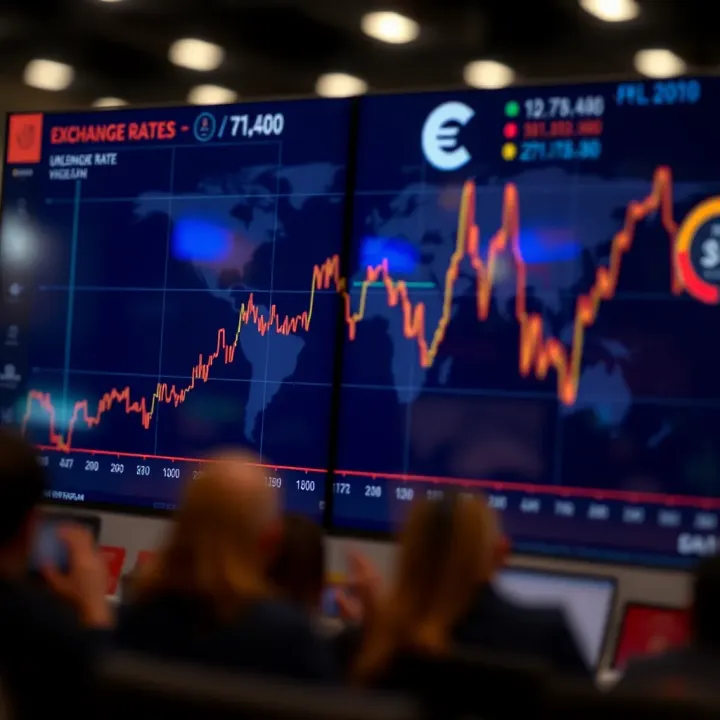
Several factors impact Pakistan’s exchange rate today:
Trade Balance: Pakistan imports more than it exports, which puts downward pressure on the rupee since more dollars flow out to pay for foreign goods.
Foreign Investment and Remittances: Money sent back by overseas Pakistanis and foreign direct investments bolster demand for the rupee, helping stabilize or increase its value.
Government Policies and Central Bank Actions: The State Bank of Pakistan occasionally intervenes by adjusting interest rates or selling USD to control volatility.
Global Market Conditions: Changes in commodity prices, geopolitical tensions, or US Federal Reserve policies influence the rupee indirectly by affecting investor confidence.
Accessing real-time exchange rates is crucial for those trading currencies or involved in international business. Several financial platforms, including Bloomberg and Reuters, provide up-to-the-minute data. For local context, the State Bank of Pakistan publishes official reference rates daily.
Keep in mind: Exchange rates quoted on the black market or informal channels can differ significantly from official rates, reflecting liquidity and demand differences.
Exchange rate swings directly impact importers, exporters, and everyday consumers. For example, if the rupee weakens against the dollar, imported goods become pricier, pushing up retail prices. This can trigger inflation that affects disposable income.
Businesses must factor in currency risk. Some use hedging strategies like forward contracts to lock in rates, avoiding unpredictable cost spikes.
Stay Updated: Use apps or financial news outlets to track how the PKR is performing against the USD daily.
Understand Volatility: Identify periods when the rupee is particularly unstable, such as political events or central bank announcements.
Plan Currency Exposure: For investment or trade, limit exposure to big swings by diversifying currency holdings or using financial instruments.
The bottom line is, the exchange rate in Pakistan isn’t just a number—it’s a dynamic indicator with real-world impact on the economy and your financial decisions.
Understanding Pakistan's exchange rate system is key to grasping how the country's currency value fluctuates and interacts with global markets. For traders and investors, this overview sheds light on the mechanics behind the exchange rates and their practical impact on financial decisions. Businesses importing goods or exporting services rely heavily on these rates to price products, budget costs, and plan investments.
Exchange rates represent the value of one currency in terms of another. For example, if the Pakistani rupee is valued at 280 per US dollar, it means you need 280 rupees to buy a single dollar. This value changes constantly, driven by market demand and supply, economic indicators, and geopolitical events.
In practical terms, exchange rates affect the cost of imports and exports. If the rupee weakens, imported goods become more expensive, which can lead to rising prices domestically. Conversely, a stronger rupee makes imports cheaper but can make Pakistani exports less competitive abroad.
For Pakistan, exchange rates have special significance because the country depends on imports for critical items like oil, machinery, and raw materials. Changes in exchange rates directly influence inflation, trade balances, and the overall economic health of the nation.
Pakistan operates with both official and market exchange rates. The official rate is set by the State Bank of Pakistan and is often used for government-related and formal international transactions. The market rate, however, is determined by supply and demand in the open currency market and can fluctuate throughout the day.
This difference matters because market rates tend to reflect the true bargaining power of the rupee in real time. Businesses that trade on the informal market or through parallel channels might pay a rate different from the official one, which affects profitability and cost management.
Regarding regimes, Pakistan uses a managed floating exchange rate system. This means the currency value is mostly determined by the market but with occasional intervention by the central bank to prevent extreme fluctuations. Unlike a fixed regime where the currency is pegged to another currency at a set rate, a floating regime allows more flexibility.
For instance, if the rupee depreciates too quickly, the State Bank may step in to support it by selling foreign reserves. This approach helps keep the rupee relatively stable, which is vital for economic planning and controlling inflation.

Understanding these distinctions between official and market rates, along with the managed float system, helps businesses and investors in Pakistan make smarter decisions in an often volatile currency environment.
By knowing how exchange rates move and what influences them, you can better anticipate costs and manage risks in transactions involving the Pakistani rupee.
Tracking current exchange rate trends in Pakistan is essential for traders, investors, and finance professionals alike. These trends directly influence import and export costs, investment returns, and even everyday pricing for goods and services. For example, a sudden dip in the Pakistani rupee against the US dollar can hike import costs, squeezing businesses that rely on foreign goods and raw materials.
Staying updated on exchange rate movements helps professionals make informed decisions quickly, whether that's timing their currency trades or adjusting their investment strategies. Given the volatile nature of Pakistan's economy, affected by factors like inflation and political shifts, monitoring exchange rates gives you a leg up in navigating uncertainties.
The Pakistani rupee’s value against major global currencies such as the US dollar, euro, and British pound fluctuates daily. The US dollar often acts as a benchmark since so many global transactions are dollar-denominated. For instance, a typical exchange rate might hover around 280 PKR to 1 USD, but this can swing based on domestic policies and international money flows.
Knowing current rates for other currencies, like the euro or pound, matters when dealing with European markets or multinational contracts. Businesses importing machinery from Germany or exporting textiles to the UK would watch these rates closely. Even slight changes affect their bottom lines, so having real-time awareness cuts down guesswork.
Comparison with Historical Rates offers valuable context. For example, Pakistan’s rupee might have been around 150 PKR per USD a decade ago but has weakened considerably since. Understanding these longer-term shifts helps predict future trends and assess financial risks. If the rupee has been steadily depreciating over the past year, that signals persistent underlying pressures.
By comparing current rates to historical averages, investors can identify whether the currency is trading at a relatively strong or weak point. This comparison is especially useful for timing investments or hedging against currency risk.
Banks and Financial Institutions are among the most reliable sources for up-to-date exchange rates in Pakistan. Major banks like Habib Bank, MCB Bank, and United Bank Limited publish their forex rates daily. These rates are used for currency conversion, remittances, and trade financing.
For businesses handling sizable transactions, bank rates matter because they reflect real market conditions and fees applied. If you're sending money abroad or receiving payments, checking rates from multiple banks can help you find the best deal.
Online Platforms and Currency Converters offer quick, convenient access to exchange rates 24/7. Websites like XE, OANDA, and financial news portals track live currency pairs, often updating every few seconds.
These tools are handy for traders who need instant information or individuals preparing for travel or overseas purchases. Plus, many platforms provide historical charts, alerts on rate changes, and calculators that factor in common fees. While online rates can sometimes differ slightly from banks due to commissions, they give a solid sense of market direction.
Keeping an eye on both traditional and digital sources ensures you don't miss sudden swings. In the fast-moving forex environment of Pakistan, timely info translates to smarter financial choices.
By understanding current exchange rate trends, comparing them to historical baselines, and tapping into trustworthy sources, you position yourself to navigate the Pakistani currency market confidently.
Exchange rates don't just fluctuate randomly. They're shaped by a mix of economic fundamentals and political realities. In Pakistan, understanding these factors is key for traders and investors who want to anticipate currency movements and manage risks effectively. Here’s a closer look at the main forces driving changes in Pakistan’s exchange rate today.
Inflation and interest rates play a direct role in Pakistan’s currency value. When inflation runs high, the purchasing power of the Pakistani rupee tends to fall. For example, if inflation hits 10% but interest rates lag behind, foreign investors might pull out, seeing better returns elsewhere. This causes the rupee to weaken against major currencies like the US dollar. On the other hand, if the State Bank of Pakistan raises interest rates sharply to curb inflation, it can attract foreign capital, supporting the rupee's value. So, keeping an eye on inflation figures and central bank policies is crucial for those betting on currency movements.
Another key component is the trade balance and foreign reserves. Pakistan's trade deficit—when imports exceed exports—puts downward pressure on the rupee. For instance, importing machinery or oil in large volumes without matching export gains drains foreign currency reserves and weakens the rupee. Conversely, improving exports or securing foreign inflows, such as remittances from overseas workers, can bolster reserves and thus the currency. Pakistan’s sizable remittance inflow, often reaching around $30 billion annually, helps cushion the rupee against shocks from trade imbalances. Traders should monitor the trade data released by the Pakistan Bureau of Statistics and foreign reserve updates from the State Bank closely.
Government policies and political stability significantly affect currency confidence. In Pakistan, fiscal decisions like subsidy cuts, tax reforms, or delays in IMF program agreements can result in sudden rupee volatility. For example, uncertainty during election periods or political unrest often triggers capital flight and rupee depreciation. Stable governance and sound economic policies create trust among investors, helping the rupee hold its ground.
Global market trends and geopolitical events also ripple through Pakistan’s exchange rate. Rising US interest rates tend to pull capital away from emerging markets, including Pakistan, pushing the rupee down. Events like commodity price shocks, regional conflicts, or changes in US-China trade relations can cause short-term swings. The rupee’s performance often mirrors these external pressures, reflecting how intertwined Pakistan’s economy is with the wider global scene.
For anyone involved in Pakistani currency markets, watching these economic indicators and political developments isn't optional. It’s how you stay ahead and make smart decisions that protect your investments or business margins.
Understanding these factors provides a solid foundation to predict currency moves and navigate Pakistan’s exchange rate landscape more effectively.
Exchange rate changes impact many sectors of Pakistan’s economy, from businesses involved in international trade to everyday consumers. These shifts influence costs, pricing, and competitive positioning both at home and abroad. Understanding these effects is crucial for traders, investors, and finance professionals who want to navigate currency risks and seize strategic opportunities.
Cost changes for importers: When the Pakistani rupee weakens against the dollar or other major currencies, importing goods becomes more expensive. For example, a company that buys raw materials from China in US dollars will have to pay more rupees for the same shipment. This increase in cost often gets passed down the chain, pushing up prices for local manufacturers who rely on those imports. On the flip side, a stronger rupee reduces import costs, easing pressure on businesses that depend on foreign goods.
Competitiveness of Pakistani exports: A weaker rupee can boost Pakistani exports by making them cheaper and more attractive in foreign markets. Textile and garment exporters, significant contributors to Pakistan’s economy, often see improved orders when the domestic currency declines. Conversely, a stronger rupee can hurt export competitiveness, as buyers may prefer cheaper alternatives from other countries. Companies exporting software services or agricultural products closely watch exchange rate trends to adjust pricing strategies and secure contracts.
Price changes and inflation: Currency depreciation frequently triggers inflation in Pakistan. Imported goods, including essentials like fuel and electronics, become pricier, lifting overall consumer prices. Inflation erodes purchasing power, making everyday items less affordable for Pakistani households. This pressure often prompts the central bank to intervene by adjusting interest rates, which can further influence economic activity.
Investment decisions and business planning: Volatile exchange rates create uncertainty for businesses planning future investments or capital expenditures. Companies might delay buying new equipment or expanding operations when currency risks loom large. Foreign investors may also hesitate, fearing that currency swings could reduce returns when converting profits back to their home currency. Some businesses use financial instruments such as forward contracts or options to hedge against this risk, stabilizing costs and forecasting with more confidence.
Exchange rate fluctuations aren’t just numbers on a screen—they ripple through trade, pricing, and investor confidence, shaping the pulse of Pakistan’s economy.
By keeping an eye on these currency movements, traders and investors can better prepare for changing market conditions and make informed choices that protect and grow their assets.
Managing currency exchange carefully can save you money and reduce risks whether you're a traveler, business owner, or investor dealing with Pakistan's fluctuating exchange rates. With the Pakistani rupee often experiencing sudden swings, knowing how to track and make smart moves can offer an edge.
Using trusted apps and websites to monitor exchange rates is essential. Platforms like XE, OANDA, or local bank websites provide real-time updates on the Pakistani rupee's value against the dollar and other key currencies. For example, a business importing machinery from the US can track daily changes to plan their purchases when rates are favorable, avoiding unnecessary costs.
To make the most of these tools, set alerts for specific rate thresholds to act quickly. This way, you won’t miss tricky windows when rates move unexpectedly. It’s a straightforward but effective way to stay ahead.
Timing currency exchanges can significantly affect your costs. Exchange rates change due to economic data releases, political events, and market sentiment, often within hours. For instance, if the State Bank of Pakistan announces a rate adjustment, the rupee may fluctuate sharply.
By observing patterns in rate movements — like slight rupee appreciation every Monday morning — traders can plan major transactions to avoid peak volatility. Businesses often avoid exchanging large sums during market openings or political announcements to dodge unfavorable swings.
For travelers, converting currency at airports or hotels typically carries higher fees. Instead, using local banks or authorized money changers can save money. Always compare exchange rates and ask about hidden fees before converting. For example, carrying some US dollars and converting them in Pakistan can be practical if the local rupee is weak.
Businesses should standardize currency conversions in accounting to keep financial reporting clear. Using multi-currency accounting software helps monitor real costs and profits amid shifting rates. Investors can benefit from hedging tools like futures contracts or currency options to lock in rates, reducing exposure to sudden rupee drops.
Hedging is a strategy that acts like insurance against currency fluctuations — it can protect profit margins and investment values.
While hedging involves costs, companies dealing with regular foreign payments often find it worthwhile. Simple tactics include setting limits on acceptable exchange rates for transactions or using forward contracts through banks.
Bottom line: Staying informed with reliable rate sources, timing your exchanges thoughtfully, using the best conversion venues, and considering risk management tools help you navigate Pakistan's currency exchange landscape much better. These practical tips save money and ease unpredictability for anyone dealing with the Pakistani rupee.
Find trusted Forex brokers in Pakistan! Learn about regulation, fees, platforms, account types, and support to boost your trading success 📈💼🇵🇰
Discover how forex trading groups connect Pakistani traders for sharing strategies, real-time updates, and support to navigate currency markets effectively 📈💬.

Learn forex trading in Pakistan with training focused on basics, practical skills, risk management & top local resources to trade confidently 📈💹
💰 Learn how to trade gold online safely in Pakistan, explore popular platforms, understand taxation, and manage risks for a profitable experience in Rs and grams.
Based on 7 reviews