
Gold Trading Forecast Today for Pakistani Investors
📈 Explore today's gold trading forecast tailored for Pakistani investors. Understand price trends, economic cues & regional factors to make smart gold investment choices.
Edited By
Ethan Riley
Gold has long been a favoured asset for Pakistani investors seeking to protect their wealth, especially in times of rupee volatility and inflation. Yet, navigating gold markets isn't straightforward—prices fluctuate based on global factors like geopolitical tensions, US dollar strength, and demand shifts. Here’s where gold trading signals come into play. These signals offer alerts about when to consider buying or selling gold, helping investors make better-timed decisions.
Gold trading signals are essentially cues drawn from technical analysis, market news, or price patterns that suggest potential entry or exit points. For instance, a signal might indicate that gold has reached a support level near $1,900 per ounce or that a breakout above resistance suggests upward momentum. Traders can then act on these signals to potentially improve returns or reduce losses.
In Pakistan, where many gold investors buy physical gold but are increasingly exploring gold ETFs or trading through brokerage platforms, understanding signals can provide an edge. Signals come mainly in three forms:
Technical signals: Based on chart indicators like moving averages, RSI (Relative Strength Index), or MACD (Moving Average Convergence Divergence).
Fundamental signals: Triggered by economic data releases, inflation reports, or geopolitical events impacting gold demand.
Sentiment signals: Derived from market mood or trader behaviour, including factors like speculative positions or news sentiment.
It’s important to remember that no signal offers a guaranteed profit. Trading gold using signals carries risks, especially when based on short-term movements or unreliable sources. Investors should verify signals through multiple methods and maintain disciplined risk management.
Gold trading signals help investors to spot opportunities but should be used as part of a broader strategy including market understanding and risk control.
For Pakistani traders, combining signals with awareness of local market conditions—such as import restrictions on gold, taxes, and premium rates in local jewellery markets—makes the signals more actionable. This guide will unpack the different types of gold trading signals, how to read them correctly, and tips to avoid common pitfalls seen in Pakistan's evolving gold market.
Gold trading signals are important tools that help investors decide when to buy or sell gold. These signals boil down market data into actionable tips, guiding traders through complex movements. For Pakistani investors, who often juggle local economic events like currency fluctuations or geopolitical tensions, these signals simplify the decision-making process and improve timing.
At its core, a gold trading signal is an alert indicating the best time to enter or exit a trade based on specific criteria. These might be price movements, volume changes, or indicators showing a shift in momentum. For instance, a signal might suggest buying when gold prices break above a certain threshold, anticipating further gains.
Gold trading signals matter because gold prices don’t move randomly; they follow patterns influenced by various factors. For investors, particularly in Pakistan where gold is a popular hedge against inflation, signals provide an edge. They help avoid guesswork and focus attention on opportunities backed by sound analysis.
Technical Analysis Tools Used: Most signals rely on technical analysis, examining historical price data to forecast future direction. Tools like moving averages smooth out price fluctuations, revealing trends. For example, a crossover of the 50-day moving average above the 200-day average often signals a bullish trend. Oscillators like the Relative Strength Index (RSI) measure momentum and highlight overbought or oversold conditions that might prompt a reversal.
Role of Fundamental Factors: Besides charts, fundamental factors shape signals too. Changes in Pakistan’s political landscape, inflation rates, or the rupee’s value against the dollar directly affect gold’s appeal. For instance, rising inflation in Pakistan tends to push gold prices up as investors look for safety. A signal incorporating such data might advise buying gold during these economic shifts.
Automated vs Manual Signals: Signals can be generated by automated software or manual analysis. Automated systems use algorithms to scan markets and issue quick alerts—helpful in fast-moving markets. Manual signals involve expert traders interpreting data and market news. Both have pros and cons; automated signals give speed and consistency, while manual analysis can factor in nuanced local conditions that algorithms might miss.
Using gold trading signals effectively requires understanding how and why they are formed, combining both technical tools and insight into Pakistan's unique market factors.
In sum, gold trading signals serve as a compass for investors navigating volatile markets. Whether automated or manual, they blend technical patterns and fundamental realities to offer timely guidance in Pakistan’s gold trading landscape.
Gold trading signals come in various forms, each designed to help investors spot patterns and make better decisions. For Pakistani traders, understanding these types is essential to interpret market movements accurately and execute trades with confidence. Below, we break down the main categories and their practical use.
Moving averages smooth out price data to help identify the direction of a trend. This signal is particularly useful in gold trading, where spotting an ongoing uptrend or downtrend early can make a significant difference. For instance, a common technique involves the 50-day moving average crossing above the 200-day moving average, often called the "golden cross," signalling a potential uptrend. Pakistani investors can use this to time entries when the gold price shows strength.
Trend lines and channels mark price levels that the market tends to respect. Drawing a trend line along the lows in an uptrend or highs in a downtrend reveals potential support or resistance points. Channels, made by adding a parallel line, define the trading range more precisely. Suppose gold prices bounce multiple times from a rising trend line — this acts like a floor, suggesting buyers are active. Pakistani traders watching this can expect upward momentum to continue until the trend breaks.
The Relative Strength Index (RSI) measures how fast and how far price changes to indicate overbought or oversold conditions. A reading above 70 suggests gold may be overbought, hinting at a possible correction. Conversely, readings below 30 indicate oversold conditions, often signalling a bounce. For example, if gold’s RSI dips below 30 during market turbulence, investors may consider buying, expecting a rebound.
MACD (Moving Average Convergence Divergence) tracks the difference between two moving averages to gauge momentum shifts. When the MACD line crosses above its signal line, it’s seen as a bullish signal; below means bearish. Imagine gold prices have been sliding, but the MACD crosses up — this can alert Pakistani traders to a potential reversal or buying opportunity, providing a timing edge.
Support and resistance levels act as barriers where prices often stall or change direction. Identifying these levels in gold charts helps traders decide when to enter or exit. For example, if gold repeatedly fails to break above Rs 230,000 per tola, that price acts as resistance. A break above this can signal the start of a fresh rally, which traders should watch closely.
Candlestick patterns give visual clues about market sentiment. Patterns like "hammer" or "shooting star" can tell when a trend might reverse. If a hammer forms near gold’s support, it suggests buyers are stepping in, making it a potential buy signal. Pakistani investors familiar with these patterns can gain an advantage by spotting turning points earlier than others.
Different types of gold trading signals provide complementary insights. Using them together allows for more reliable trading decisions, especially considering Pakistan’s unique market factors.
Combining these signal types helps build a clearer picture of gold price action. Whether it's following a trend, gauging momentum, or spotting breakouts, Pakistani traders benefit from knowing which signals suit their style and goals best.
Finding dependable gold trading signals is vital for Pakistani investors aiming to navigate market fluctuations confidently. Reliable signals help avoid costly mistakes in volatile gold prices influenced by both global trends and local economic shifts. Knowing where to look saves time and improves trading decisions.
Local brokerages and fintech apps offer tailored gold trading signals that factor in Pakistan's unique market environment. Many established brokerages provide timely alerts through their websites or mobile apps—MCB, HBL, and UBL include such features. Fintech solutions like JazzCash and Easypaisa are increasingly integrating investment services, including notifications about gold prices or buy-sell signals based on real-time data. These platforms combine local market knowledge with tech convenience, giving you practical, easy access.
International signal providers accessible in Pakistan expand your options by offering global market insights. Platforms like TradingView and Investing.com deliver gold price alerts and technical analysis applicable worldwide. Pakistani investors can access these tools through web browsers or apps, often free or with affordable subscriptions. Such signals include broader geopolitical factors affecting gold, useful alongside local data. Just keep in mind international signals may not fully reflect Pakistan-specific risks like import restrictions or currency fluctuations.
Telegram groups and WhatsApp channels dedicated to gold trading are popular among Pakistani traders for quick, shared tips and signals. These communities provide instant updates during market moves, enabling fast decisions. However, it's important to verify the credibility of group admins since misinformation exists. Look for groups that share historical performance data or collaborate with known analysts. For example, some channels linked to local investment firms abroad have reasonable transparency and can be useful.
Forums and Facebook trading groups still serve as valuable platforms to discuss gold trading signals and strategies. They allow members to post experiences, ask questions, and share verified signal sources. Groups focused on Pakistan’s investors often discuss how local dynamics affect gold price trends. Participation in active forums can sharpen your understanding and help you spot reliable signals amid the noise. Nevertheless, always cross-check any signal seen here with other sources to avoid fake calls.
Reliable gold trading signals come from a careful choice of vetted platforms and active, informed communities—especially in Pakistan's context where global and local factors both play strong roles.
By combining local fintech tools, international platforms, and social media groups wisely, you can improve your chances of spotting profitable gold trades while avoiding common pitfalls.
Trading gold in Pakistan's market involves quick decisions under fluctuating conditions. Gold trading signals offer investors both opportunities and hazards, so understanding their advantages and risks helps in making balanced choices.
For most Pakistani investors, especially those juggling a full-time job or business, spending hours analyzing charts can be tough. Trading signals cut down this time by providing clear buy or sell alerts based on technical or fundamental analysis. For example, an investor using Easypaisa or JazzCash apps can monitor gold signals through these platforms to act swiftly without diving deep into complex graphs.
These signals streamline decision-making by summarising key market trends, so traders don't need to stare at screens all day. This efficiency is a big plus in Pakistan's fast-moving markets where sharp price swings happen due to local political developments or global factors like US dollar strength.
Gold prices can jump or drop suddenly, especially during uncertain economic periods in Pakistan, such as rupee devaluation phases or geopolitical tensions. Trading signals help identify more precise moments to buy or sell, aiming to maximise profits and reduce losses.
For instance, a signal might warn when gold hits a strong resistance level, indicating selling is wise before a drop. Conversely, spotting a support level can hint at buying opportunities. Investors relying on signals often avoid entering too early or late, which could otherwise eat into potential gains or amplify risk.
Not all trading signals are accurate. Sometimes signals can be generated by outdated data, poor algorithms, or biased analysts. This can lead to wrong decisions, causing losses. For example, a signal might suggest buying gold just as a sudden geopolitical shock makes prices plunge.
To reduce this risk, Pakistani traders should cross-check signals with multiple sources and always keep an eye on current news affecting gold. Using signals from reputable brokerages with transparent track records also helps filter out false alerts.
Relying solely on signals without understanding market fundamentals or personal research often backfires. Signals are tools, not magic bullets. If Pakistani investors blindly follow signals, they may miss broader economic cues like inflation trends in Pakistan or Central Bank policy shifts.
Successful gold trading combines signals with personal analysis. Even a basic awareness of local factors like loading on petro-dollars or seasonal demand shifts during Eid can improve judgement. The key is to treat signals as guidance rather than fixed rules.
Using gold trading signals wisely means balancing their time-saving benefits with caution about risks. Pakistani investors who combine signals with their own insight tend to make better, more confident trading decisions.
Using gold trading signals wisely can make a significant difference in your trading success. In Pakistan’s volatile market, following signals blindly rarely works well. Instead, you should combine signals with your own analysis, practise solid risk management, and choose reliable signal providers carefully.
Cross-checking signals with charts helps confirm trading decisions. For example, if a gold trading signal suggests buying, check the price chart to see if the trend, volume, or candlestick patterns support that call. This hands-on look reduces chances of acting on false alarms.
Charts let you visualise key support or resistance levels too. Suppose a signal recommends selling gold near Rs 300,000 per tola; if the chart shows strong support at Rs 295,000, the signal may be less reliable. This cross-verification ensures that you trade with confidence, not just on alerts.
Considering Pakistan’s economic and geopolitical factors is also essential. Local events like rupee fluctuations, import policy changes, or regional tensions with India or Afghanistan can impact gold prices unexpectedly. Signals generated from global data alone might miss these influences.
For example, during a sudden rupee devaluation, gold prices in Pakistan often spike. If your trading signals don't reflect this stadium, personal judgment beats automated alerts. Staying informed about news helps you adjust signal-based trades appropriately.
Using stop-loss orders protects your trading capital by limiting potential losses if the market moves against you. Set stop-loss orders just below your entry point when buying gold. For instance, if you buy at Rs 290,000, placing a stop-loss at Rs 285,000 limits your downside.
In Pakistan’s volatile market, stop-loss orders prevent small market pulls from turning into big losses. They ensure one bad trade doesn’t ruin your total portfolio. Always set stop-loss based on your risk appetite and market conditions rather than fixed amounts.
Limiting trade size keeps exposure manageable. Never commit your entire trading capital to a single gold signal. Instead, allocate a small percentage—say, 2–5% of your funds—to each trade.
If a signal turns out wrong, limited trade size saves you from heavy losses. For Pakistani traders, who often invest personal savings, this framing is crucial for long-term success and stress reduction.
Verifying track records of signal providers means checking historical performance before trusting their advice. Reliable providers share winning percentages, average returns, and client feedback openly.
For example, a local brokerage or fintech app giving gold trading signals should show past results validated by third parties or user testimonials. This background helps distinguish experienced sources from those guessing randomly.
Avoiding scams and unverified providers is vital to protect your money. In Pakistan’s trading environment, some groups on social media or Telegram sell signals with no proven strategy or just marketing pitches.
Always be cautious of anyone promising guaranteed profits or charging huge fees upfront. Instead, prefer signal services with transparent pricing, clear terms, and reputations built over years. Protect your investment by doing due diligence before subscribing.
Effective use of gold trading signals depends on blending them with your own research, managing risks smartly, and choosing trustworthy sources. This balanced approach helps Pakistani investors trade confidently and safeguard their funds.
📈 Explore today's gold trading forecast tailored for Pakistani investors. Understand price trends, economic cues & regional factors to make smart gold investment choices.
📈 Learn crypto trading in Pakistan: discover top platforms, key regulations, security tips, smart strategies, and risk management to trade safely and profitably.
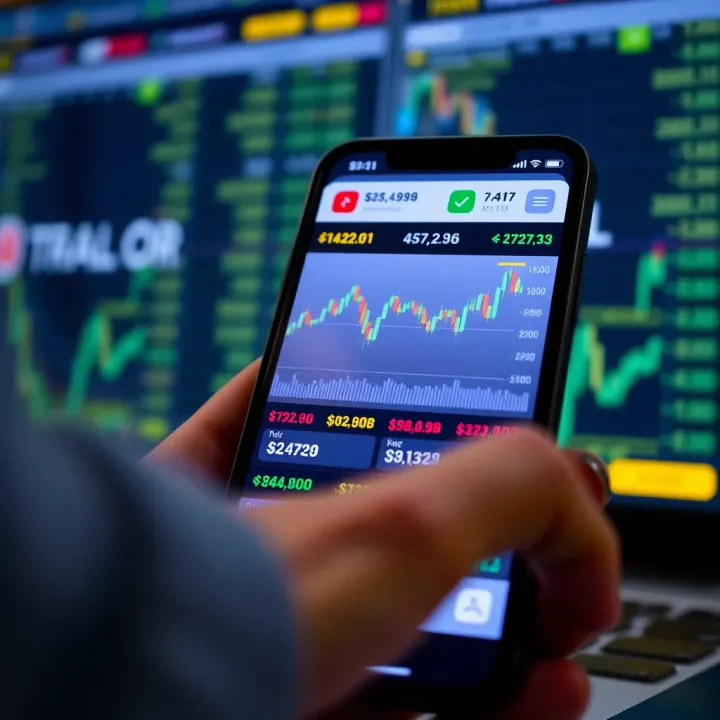
Explore paper trading apps to practise stock trading safely in Pakistan. Learn key features, top picks 🇵🇰, and tips to boost your investing skills without risking real money 📈.

📱 Looking for the best trading app in Pakistan? Discover features, security tips, costs, and local market insights to choose the right app for you. 💹
Based on 9 reviews