
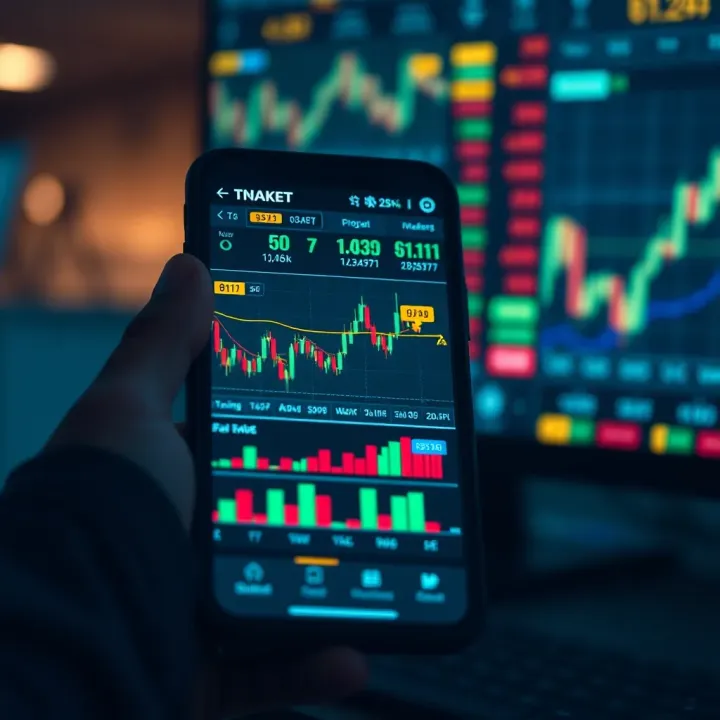
Best Trading Apps for Pakistani Investors
📱 Looking for the best trading app in Pakistan? Discover features, security tips, costs, and local market insights to choose the right app for you. 💹
Edited By
George Simmons
Cryptocurrency trading has gained significant traction among Pakistani investors recently, driven by growing internet penetration and digital payment platforms like JazzCash and Easypaisa. However, the crypto market remains highly volatile and risky, so adopting effective trading strategies is essential to protect your investments and maximise returns.
Pakistani traders face unique challenges, such as regulatory uncertainties from the Securities and Exchange Commission of Pakistan (SECP) and fluctuating rupee exchange rates. This demands strategies that not only focus on market trends but also consider local market dynamics and infrastructure.
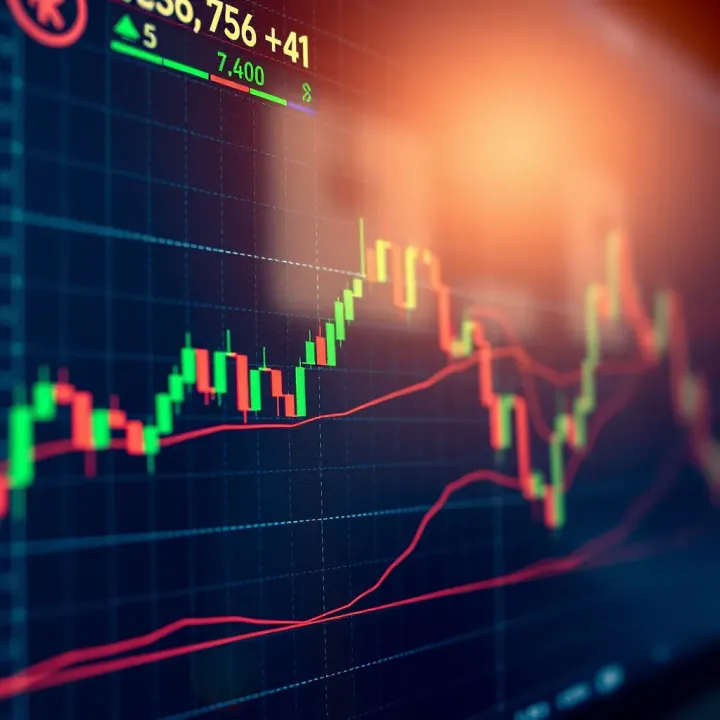
This section outlines core trading approaches Pakistani investors can use, highlighting practical methods like risk management, technical analysis, and timing tactics. By understanding these, you can manage both profit opportunities and downside risks more confidently.
Remember, crypto trading in Pakistan requires vigilance and a disciplined approach since markets can change quickly due to factors like global policy shifts or local economic updates.
Day Trading: Buying and selling crypto within a single day to capitalise on short-lived price swings. Suitable for those with time to monitor markets closely and use technical tools.
Swing Trading: Holding assets from a few days to weeks, capturing medium-term price movements. This strategy suits investors balancing trading with other commitments.
HODLing: A long-term buy-and-hold approach, betting on the overall growth of crypto assets despite short-term volatility. This method is simpler but can be stressful during big market drops.
Set clear stop-loss limits to reduce potential losses.
Never invest more than you can afford to lose, especially in highly volatile cryptos.
Diversify across different coins and tokens to spread risk.
Familiarity with basic chart patterns, candlestick formations, and indicators like RSI (Relative Strength Index) helps Pakistani traders identify entry and exit points. Local trading apps often provide simplified versions of these tools.
Applying these strategies with awareness of Pakistan’s financial environment positions you better in the fast-moving crypto ecosystem.
Understanding the basics of cryptocurrency trading is essential for any Pakistani investor aiming to enter this volatile market. This overview lays the groundwork by explaining how the market operates, key trading terms, and the unique features that distinguish crypto trading from traditional investment avenues. Grasping these fundamentals helps you develop informed strategies and avoid common pitfalls.
Cryptocurrency exchanges act as the platforms where buyers and sellers trade digital coins like Bitcoin, Ethereum, and others. These exchanges can be centralised—where a single company manages transactions and custody of funds—or decentralised, allowing peer-to-peer trading without intermediaries. For Pakistani investors, popular centralised platforms such as Binance and Coinbase are commonly used, whereas decentralised options like Uniswap provide more direct market access. The ability to convert Pakistani Rupees (PKR) into cryptocurrencies through local exchanges or peer-to-peer networks also plays a practical role in accessibility.
Unlike stock exchanges that operate during fixed hours, crypto markets run 24/7, offering continuous trading opportunities. This means you can react instantly to global events affecting prices without waiting for market open times. Additionally, cryptocurrencies are far more volatile than traditional assets, often seeing large price swings within hours. Also, crypto markets are less regulated in Pakistan, which creates both flexibility and risk, making due diligence crucial compared to established stock markets like the Pakistan Stock Exchange (PSX).
Bitcoin (BTC) remains the most traded cryptocurrency locally, followed by Ethereum (ETH), known for its smart contract capabilities. Stablecoins such as USDT (Tether) also have significant trading volume, providing a way to hedge against PKR volatility. Other altcoins like Cardano (ADA) and Binance Coin (BNB) are gaining popularity among Pakistani retail traders, especially on platforms supporting PKR deposits and withdrawals.
Spot trading refers to the immediate buying or selling of cryptocurrencies, where ownership changes hands straight away. This is the simplest form of trading, suitable for most beginners in Pakistan who want to hold or sell coins directly. Derivatives trading involves contracts based on crypto asset prices, such as futures or options, allowing traders to speculate on price movements without owning the underlying coin. While derivatives can amplify gains, they also carry higher risk and require more experience and capital.
When placing trades, understanding order types is key. A market order buys or sells instantly at the current price, useful for quick executions. Limit orders specify the exact price at which you want to buy or sell, letting you control entry and exit points. Stop-loss orders automatically sell your position if the price falls to a certain level, protecting against large losses. For example, if you buy Bitcoin at Rs 4,000,000, you might set a stop-loss at Rs 3,800,000 to limit potential downsides.
Cryptocurrency prices tend to be highly volatile, with daily swings often exceeding 5–10%. This volatility creates opportunities as well as risks for traders. Liquidity—the ease of buying or selling without significantly affecting the price—is critical too. Major coins like BTC and ETH have high liquidity, making them easier to trade at desired prices. Less popular altcoins may suffer from low liquidity, leading to price slippage and difficulty exiting positions quickly.
Mastering these fundamentals equips Pakistani investors with the clarity needed to approach crypto markets confidently and craft effective trading plans suited to this dynamic environment.
Understanding the most common trading strategies helps Pakistani investors tailor their approach according to market conditions and personal risk tolerance. Crypto markets operate 24/7 and exhibit high volatility, so choosing the right strategy can make a significant difference to returns and risk exposure.
Short-term trade setups focus on exploiting small price movements within a single day or even minutes. Investors who opt for this strategy often look for rapid entry and exit points to capitalise on micro-trends. In Pakistan, where crypto volatility can spike due to news cycles or regulatory developments, day trading offers opportunities but requires consistent attention and fast decision-making.
Tools and indicators used in day trading usually include moving averages, Relative Strength Index (RSI), and volume indicators. These tools help spot momentum shifts or overbought conditions quickly. Many Pakistani traders also monitor live order books on exchanges like Binance or local platforms with direct rupee deposits to gauge market depth before placing trades.
Challenges specific to crypto day trading stem mainly from the unpredictable nature of crypto assets. Sudden market crashes or spikes can wipe out gains instantly. Additionally, fees from frequent trades and network congestion can reduce profits. Traders based in Pakistan might face occasional internet or power interruptions (loadshedding), complicating their ability to react in real-time.
Identifying trend changes is crucial in swing trading, which aims to capture price movements over days or weeks. Pakistani investors often use trendlines and moving averages to detect when a coin switches from an uptrend to a downtrend or vice versa. Recognising these shifts allows better timing of entries and exits without needing to watch the market constantly.
Using technical analysis to time entry and exit involves combining candlestick patterns with indicators like MACD or Fibonacci retracements. These help to pinpoint potential reversal or continuation points during a trend. For example, spotting a bullish engulfing pattern on Bitcoin's daily chart may signal a medium-term price rise.
Risk management during swings includes setting stop-loss orders to limit downside and adjusting position sizes depending on market volatility. In volatile environments like Pakistan's, where external factors can impact crypto prices suddenly, managing risk with clear exit points safeguards traders’ capital effectively.
Benefits of holding major cryptocurrencies such as Bitcoin or Ethereum over the long term relate to their potential appreciation backed by adoption trends and network growth. Pakistani investors who hold for months or years avoid constant market noise and trading fees. This approach suits those with a higher risk tolerance for short-term swings.
How to avoid common pitfalls like panic selling during dips or chasing hype coins involves sticking to a well-researched portfolio. Investors should resist impulsive decisions driven by FOMO (fear of missing out). Proper wallet security, including hardware wallets where possible, protects long-term holdings from hacking risks.
The role of fundamental analysis in long-term holding includes evaluating project teams, technology updates, and regulatory acceptance. Pakistani investors might watch developments like Pakistan's regulatory stance or partnerships that affect crypto ecosystems. Only projects with strong fundamentals usually sustain growth over time.
Focusing on the right strategy — whether quick trades or long holds — aligned with clear risk rules will provide Pakistani crypto traders better control and clearer paths to potential profits.
Managing risk and protecting your capital form the backbone of sustainable crypto trading. Unlike traditional investments, crypto markets swing wildly due to their high volatility and lack of regulation, especially in Pakistan where market access and sentiments can shift rapidly. Practical risk management saves you from heavy losses and allows steady growth, helping traders navigate price spikes or crashes without wiping out their funds.
Why these limits matter: Stop-loss and take-profit orders shield your investments from unexpected market swings, which are common in crypto. Without these limits, a sudden drop can quickly deplete your capital. For example, if you buy Bitcoin at Rs 8,000,000 expecting steady growth, setting a stop-loss at Rs 7,600,000 limits your loss to 5%, avoiding potential deeper dips amid volatility.
How to set realistic targets: Start by analysing recent price movements and volatility on your chosen coin. A tight stop-loss might get triggered too early, causing unnecessary exits, while a loose one can expose you to large losses. Traders often use a ratio of 1:2 for stop-loss to take-profit, meaning if risking Rs 10,000, they aim to gain Rs 20,000. This balance is vital for rewards to outweigh risks.
Adjusting stops with market conditions: Market trends dictate how you modify stop-loss levels. In a bullish phase, it’s smart to trail your stop-loss upwards to protect gains, while in choppy or sideways markets, giving stops some room prevents premature exits. Pakistani traders should monitor local news and global crypto updates closely, adapting stop limits if major events affect pricing.
Balancing risk across multiple trades: Avoid putting all your eggs in one basket. Limiting any single trade to 2–5% of your total capital prevents a quick blow to your portfolio. For instance, if your trading capital is Rs 1 million, a Rs 20,000 to Rs 50,000 exposure per trade balances risk without stalling potential earnings.
Managing exposure to volatile coins: Some altcoins in Pakistan show wild price swings, tempting traders with high returns but carrying extra risk. Allocating smaller portions to such coins while maintaining bigger stakes in relatively stable tokens, like Bitcoin or Ethereum, controls overall volatility impact.
Using portfolio diversity for stability: Spreading investments across different cryptocurrencies and trading styles can reduce drawdowns. Combining long-term holds on established coins with short-term trades in promising projects helps stabilise returns despite daily market noise.
Controlling emotions during swings: Emotional decision-making leads many into traps during volatile phases. When Bitcoin suddenly drops 10% within hours, panic selling is common. Pakistani traders benefit from cultivating patience and sticking to preset stop-losses rather than reacting impulsively.
Avoiding overtrading and impulsive decisions: More trades don’t always mean more profit. Overtrading increases transaction costs and stress. By setting clear daily or weekly trade limits and focusing on quality setups, traders avoid mistakes born from haste or boredom.
Maintaining a consistent trading plan: A well-defined plan with entry, exit, and risk parameters helps maintain discipline. Keeping a trading journal documenting decisions and outcomes fosters better habits and continuous learning. Consistency turns trading from gambling into a strategic activity.
Effective risk management not only shields your money but builds confidence and longevity in crypto trading. Balancing numbers with emotions and strategy is the hallmark of successful traders in Pakistan’s crypto scene.
Technical analysis is vital for crypto traders in Pakistan aiming to make informed decisions in a market known for its swings. Using the right tools and techniques helps identify entry and exit points, manage risks, and spot trends early. This section breaks down essential chart patterns, indicators, and platforms that traders should be familiar with.
Chart patterns like the head and shoulders and flags provide visual clues about possible price movements. The head and shoulders pattern usually signals a trend reversal. For instance, if Bitcoin’s price forms this pattern on a daily chart, it may suggest a shift from bullish to bearish sentiment, prompting traders to consider selling or tightening their stop-loss orders.
Flags, on the other hand, are short-term continuation patterns that appear as tight price ranges after a strong move. Watching for a breakout from a flag can help traders catch quick moves. A common example is Litecoin showing a strong upward move followed by a brief consolidation — breaking the flag pattern upwards often means the rally will continue.
Moving averages smooth out price data to highlight trends over time. The 50-day and 200-day moving averages are popular for spotting medium to long-term trends. If the 50-day moving average crosses above the 200-day, it’s known as a golden cross, and traders may take this as a buying signal. Conversely, if it crosses below, a death cross warns of potential declines.
The Relative Strength Index (RSI) measures momentum and identifies overbought or oversold conditions. An RSI above 70 usually means the asset is overbought and might see a correction; below 30 indicates oversold conditions, possibly signalling a rebound. For example, if the RSI of Ethereum rises above 70 amid heavy buying, Pakistani traders might prepare to book profits before a pullback.
Volume analysis reveals how strong a price move is. High volume during a price rise suggests genuine buying interest, while low volume can indicate weak participation and a possible false breakout. In crypto, volume tends to spike during major news or announcements, so monitoring it alongside price charts gives clearer trading signals.
Pakistani traders have access to several crypto exchanges like Binance, Coinbase, and local platforms complying with Pakistan Telecommunication Authority (PTA) guidelines. These platforms offer user-friendly charts, order execution tools, and wallet integrations essential for smooth trading.
Automated trading bots have gained popularity, letting traders execute pre-set strategies 24/7 without manual oversight. Basic bots can perform tasks like placing stop-loss orders or scaling positions. For example, a bot configured to buy Bitcoin at Rs 4.4 million and sell at Rs 4.6 million can operate without emotional bias.
However, automation carries risks. Bots function on algorithms and cannot adapt well to sudden market shocks or regulatory news. Over-relying on bots can lead to unintended losses if markets behave unpredictably. Besides, traders should frequently monitor their bots and adjust settings to align with current market conditions.
Combining technical analysis tools with reliable platforms and cautious automation helps Pakistani traders navigate the crypto market’s ups and downs with greater confidence and control.
Market forces shaping cryptocurrency prices can be quite complex, especially for Pakistani investors. Understanding these factors helps you make informed decisions rather than relying on guesswork. Crypto prices don’t just move because of local happenings; global events, regulations, and market sentiment have deep impacts that often ripple into Pakistan's trading scenes.
Global policies, such as those introduced by major economies or financial organisations, can cause sharp price swings on Pakistani crypto platforms. For example, when the US Federal Reserve alters interest rates, or China clamps down on mining and trading activities, investors worldwide feel the effects. These international announcements often lead to sudden liquidity shifts, affecting PKR trading pairs, and may cause rapid price volatility within local exchanges.
Pakistan’s position on cryptocurrencies remains somewhat cautious but evolving. The State Bank of Pakistan (SBP) has yet to officially recognise crypto as legal tender but allows trading through informal channels and peer-to-peer networks. This regulatory ambiguity means Pakistani traders face challenges like limited access to local banking for crypto purchases and restrictions on official service providers. The authorities’ warnings highlight risks but have not entirely stopped market participation, which keeps the scene active but uncertain.
In this environment, adapting your trading strategy to regulatory developments is essential. Keep an eye on announcements from the SBP, the Securities and Exchange Commission of Pakistan (SECP), and international regulators. Adjust risk levels and liquidity preferences accordingly. For instance, if new restrictions on crypto wallets or exchanges appear, traders might temporarily shift to more established cryptos or diversify assets to stablecoins to shield their capital until clarity improves.
Social media platforms like Twitter and Telegram have become vital venues for Pakistani investors to gauge market sentiment. Keeping track of influential voices, hashtag trends, and local crypto communities helps anticipate price movements. Ignoring these channels can mean missing early signs of hype or panic, which often precede volatile price changes.
Major news headlines, whether it’s a government announcement on regulations or a celebrity endorsement, can cause instant reactions in the market. For example, when a prominent Pakistani personality tweets about Bitcoin, it could trigger a sudden spike in trading volume on Pakistani exchanges. Likewise, news of hacking incidents or bans sends prices tumbling in a flash.
Several tools help track market sentiment effectively. Services that analyse social media mentions, Google search trends, and trading volumes can warn investors about possible shifts before they appear in prices. Tools like Santiment or LunarCrush, while international, include data relevant to Pakistani trading pairs. Using these tools in your analysis adds a layer of safety and helps time entries and exits more precisely.
Paying attention to both regulatory signals and market sentiment gives Pakistani crypto traders a better chance to avoid costly mistakes and seize timely opportunities.
By understanding these market factors, you can refine your crypto trading strategies to balance risks and potential rewards in Pakistan’s unique context.
📱 Looking for the best trading app in Pakistan? Discover features, security tips, costs, and local market insights to choose the right app for you. 💹
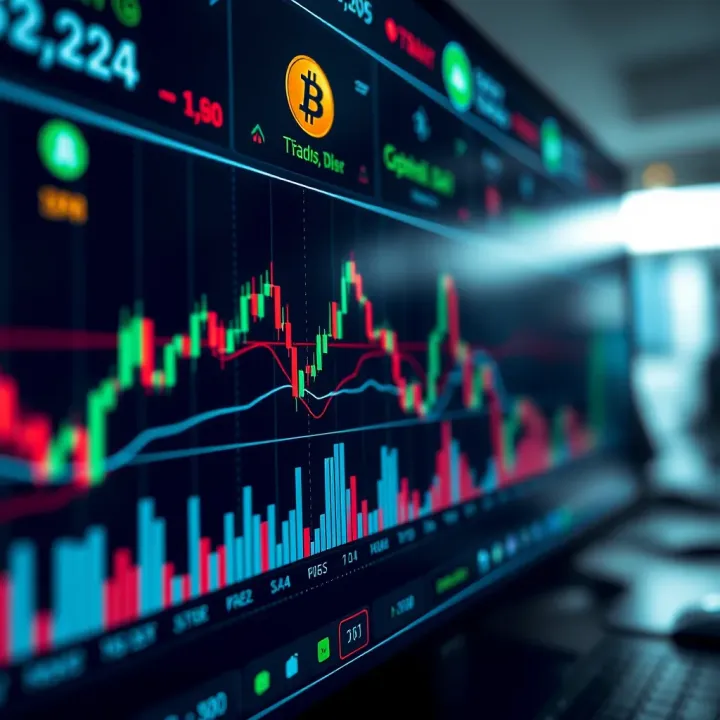
Explore top crypto trading platforms for Pakistani traders 🔒 Discover security, fees, user experience, and legal insights to trade confidently in Pakistan 🇵🇰
🔍 Find the best crypto trading platform for Pakistani traders. Compare security, fees, user experience, and regulations to choose wisely in 2024.
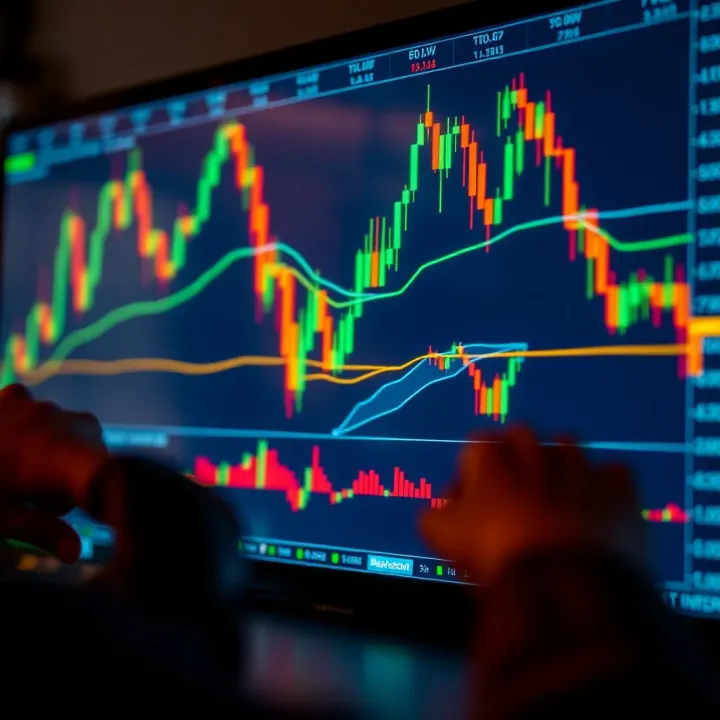
Learn smart strategies 🧠 for trading binary options in Pakistan 🇵🇰. Get tips on risk control ⚖️, effective methods, and tools to boost your trading success 📈.
Based on 13 reviews