
Best Trading Apps for Pakistani Investors
📱 Looking for the best trading app in Pakistan? Discover features, security tips, costs, and local market insights to choose the right app for you. 💹
Edited By
Mark Evans
For new and experienced investors alike, understanding how to trade stocks without risking real money is a game changer. Paper trading apps make this possible by providing a digital environment where you can practise buying and selling stocks using virtual funds. This hands-on approach lets you test strategies and learn market dynamics without the fear of financial loss.
In Pakistan, where market volatility and currency fluctuations add layers of risk, paper trading offers a safe space to build confidence. These apps mimic real stock market conditions closely, reflecting price movements from Pakistan Stock Exchange (PSX) or international markets, depending on the platform.
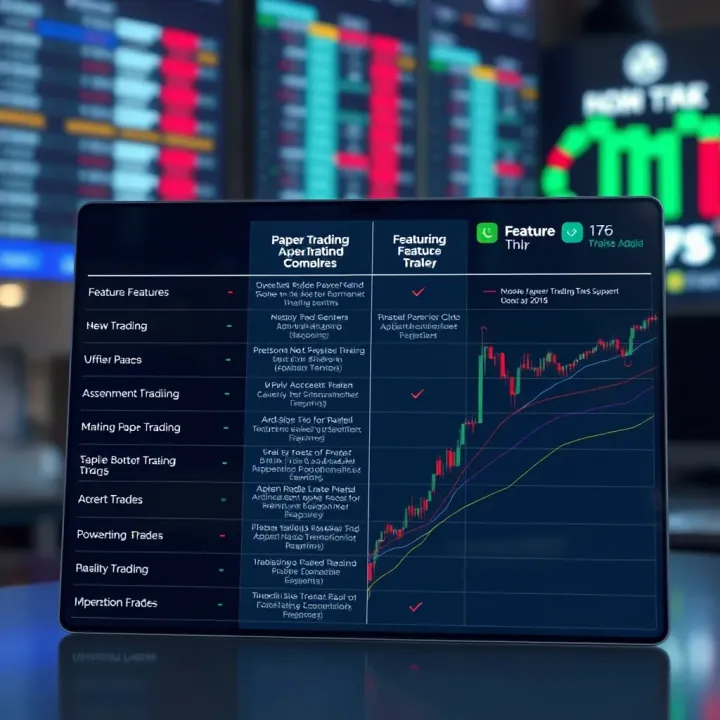
Paper trading apps allow you to sharpen your trading skills by simulating real stock market action, helping avoid costly mistakes.
These applications give you a set amount of virtual money—say Rs 1 million—to trade with. You place buy or sell orders, monitor price changes, and track your portfolio just like in real trading. The app recalculates your profits or losses based on actual market data, but without any real financial exposure.
This simulation includes standard features such as:
Order types (market, limit, stop-loss)
Portfolio tracking
Real-time stock prices
Historical data for back-testing strategies
For Pakistani investors, some clear benefits stand out:
Risk-Free Learning: Experiment with different trading styles without losing money.
Strategy Testing: Validate new ideas before committing real capital.
Market Familiarity: Understand how fluctuations in PSX or international markets affect your investments.
Building Discipline: Develop emotional control and decision-making skills in a stress-free setting.
Using these apps can especially help those gearing up for Pakistan’s dynamic but challenging market environment.
Virtual Portfolio: Your practice investment pool.
Paper Trading: Trading with simulated money.
Market Order: Buy or sell immediately at current price.
Limit Order: Buy or sell at a set price or better.
In the next sections, we’ll explore popular paper trading apps available in Pakistan and globally, what features to look out for, and practical tips to get the most from your simulated trading experience.
Paper trading apps have become an essential tool for investors in Pakistan aiming to enter the stock market without risking real money. These apps replicate the stock trading experience using virtual funds, letting you practise buying and selling shares the way professional traders do. This simulation helps sharpen your skills before stepping into Pakistan Stock Exchange (PSX) with actual capital.
Paper trading means simulating stock market transactions using virtual cash rather than actual funds. For instance, if you’re curious about investing in PSX-listed companies like Engro or HBL but nervous about sudden losses, paper trading allows you to place trades in real market conditions without risking your savings. This safe environment is ideal for beginners who want to get familiar with market dynamics.
Besides safety, paper trading helps investors test different trading strategies. Suppose you want to try day trading versus long-term holding; paper trading lets you evaluate which approach works best without financial consequences. This protected space encourages experimentation and learning, avoiding costly mistakes early on.
These apps use virtual money paired with live market data to give a realistic trading experience. While you’re not spending actual rupees, the app reflects current stock prices, so you see how your portfolio might perform in real time. This connection to live data keeps practice sessions relevant, letting you track trends and react as you would with genuine stakes.
Paper trading platforms come equipped with tools essential for thorough analysis. You’ll find interactive charts showing price movements, technical indicators like Moving Averages or RSI, and various order types (limit, stop-loss orders) to practise realistic trade execution. These features help both beginners and experienced traders understand stock behaviour, plan entry and exit points, and develop disciplined trading habits.
Paper trading apps act as a rehearsal stage where Pakistani investors can study market behaviour, test tactics, and build confidence, all without the risk of actual financial losses.
By using paper trading apps, you gain hands-on experience navigating the stock market. Whether it’s checking how a sudden market wobble affects your portfolio or experimenting with different investment sectors, these apps are a practical way to learn and prepare before dealing with real capital.
Paper trading apps offer significant advantages for both new and seasoned investors by creating a safe environment to hone trading skills. In Pakistan, where market volatility and occasional political uncertainty can affect investments, these apps allow users to practise without risking actual capital. Whether aiming to get familiar with stock market basics or testing advanced strategies, paper trading apps serve as a practical tool to build competence and confidence.
Practising without financial loss gives beginners the chance to place trades and monitor the outcomes without worrying about losing their hard-earned money. For example, a young investor in Lahore can simulate buying shares of a company listed on the Pakistan Stock Exchange (PSX) using virtual money. This safe practice space helps overcome the fear of loss, which often hinders individuals from entering the market. Without the pressure of real stakes, users can explore how different stocks behave under various market conditions.
Understanding market movements and timing is essential for profitable trading. Paper trading apps use live market data, so users experience genuine price fluctuations and can experiment with timing their trades. A trader in Karachi might observe how shares react around quarterly results announcements or economic news releases, all without any financial risk. This hands-on experience sharpens one’s ability to read market signals and make timely decisions when moving to real money trading.
Testing different trading methods becomes feasible through paper trading apps. Investors can try strategies like day trading, swing trading, or value investing to see which suits their style and risk tolerance. For instance, a user in Islamabad could implement a momentum-based trading approach and compare its results with a dividend-focused strategy, adjusting their approach based on performance. This experimentation helps prevent costly errors when real funds are involved.
Building confidence before investing real money is crucial in developing a trader’s mindset. Having practiced repeatedly and seen their strategies succeed or fail in a controlled setting, investors tend to enter real trading with a clearer plan and emotional readiness. This improved confidence often translates to better discipline, as users are less likely to panic-sell or overtrade. Moreover, confidence built during paper trading promotes patience — a quality highly rewarded in both Pakistani and global markets.
Using paper trading apps lets you gain valuable experience while shielding your funds from loss, making trading less intimidating and more structured. For Pakistani traders aiming to navigate market ups and downs effectively, these benefits make a strong case for starting with simulated trading.
Pakistani investors looking to practise trading without risking real money should consider apps that align with local market dynamics and language preferences. Using platforms that reflect Pakistan Stock Exchange (PSX) data and offer support in both Urdu and English enhances not only ease of use but also practical learning. Alongside local options, internationally recognised paper trading apps provide broader market exposure and advanced tools, offering a good balance for traders aiming to broaden horizons while understanding local conditions.
Apps that use PSX data bring a clear advantage as the simulations accurately reflect real-time prices and trading conditions faced by Pakistani traders. This integration helps investors practice with stocks and indices they actually intend to trade. Consider, for example, an app linked with the PSX that updates every few seconds reflecting price fluctuations in companies like Oil and Gas Development Company Limited (OGDCL) or Engro Fertilizers. Practising trades on such platforms means your decisions and timing can mirror real market moves, which is crucial for building genuine trading skills.
Language can be a barrier for many investors, especially beginners. Paper trading apps that offer interfaces and educational content in both Urdu and English make the learning curve gentler for a wide audience. This allows users to understand complex terms and strategies without constant translation struggles, making trading practice more effective. For instance, users can easily navigate charts or execute trades on platforms like PSX Invest or Market Plus that support Urdu alongside English, encouraging more inclusive participation across Pakistan’s diverse linguistic groups.
Global paper trading apps like TradingView, Thinkorswim by TD Ameritrade, and Interactive Brokers provide superior tools and access to multiple stock markets beyond Pakistan. Their rich selection of technical indicators, real-time charts, and advanced order types offers practical learning not only about local stocks but also foreign equities and commodities. This broad market coverage is valuable for seasoned Pakistani traders aiming to diversify their portfolio or understand international market trends without actual financial exposure.
While these international apps come with robust features, their accessibility for Pakistani traders depends on ease of account creation and regulatory compliance. Most require basic identification documents like CNIC and may sometimes face restrictions due to currency and regulatory rules. However, several platforms have streamlined onboarding processes, allowing Pakistani users to start with minimal hassle. Users need to verify their identity and choose appropriate account settings. Availability of mobile apps and localised customer support improves the overall usability, making these global platforms a realistic choice for many Pakistani investors seeking advanced paper trading experiences.
Choosing between local and international paper trading apps depends on your trading goals, language preferences, and desired market exposure. Combining both can build a stronger foundation for live trading in Pakistan’s financial markets.
Choosing the right paper trading app can make a big difference in how effectively you learn and test trading strategies. Pakistani traders should prioritise features that provide accurate market conditions, ease of use, and helpful resources. These elements ensure your practice closely matches real trading experiences, helping you prepare better for the live market.
Timely updates on stock prices are essential for paper trading apps. If the app lags or shows outdated prices, your trading decisions won’t reflect current market conditions. For example, an app integrated with live Pakistan Stock Exchange (PSX) data updates frequently during trading hours, giving you a real feel of price fluctuations. This helps you learn how to react to fast-changing markets, which is especially important on volatile days.
Reliable market simulation means the app should reflect genuine trading conditions, such as order execution and price spreads. Without accurate simulation, your virtual trades might not consider slippage or delays that happen in real markets. For instance, if an app treats every order as instantly filled at the price shown, it creates a false sense of ease. Apps that simulate order books and realistic fills better prepare you for actual trading.
Ease of navigation and placing trades in a paper trading app improves your overall experience. A cluttered or complicated interface can distract you from learning. Look for apps that let you input buy or sell orders quickly and modify them without hassle. For example, mobile apps with simple menus and clear buttons help traders place orders on the go without confusion.
Availability of technical analysis and alerts adds value beyond just buying and selling. Good apps include charts with indicators like moving averages or RSI, enabling you to analyse market trends. Alerts for price targets or stop-loss levels help develop trading discipline. This combination sharpens your skills by encouraging strategic decisions rather than random trades.
Educational materials within the app enhance your understanding while practising. This could be tutorials, articles, or videos about fundamental and technical analysis. Apps like Investopedia or Khan Academy provide examples from global markets. A localised app offering Urdu explanations or Pakistan-specific case studies will resonate better with many users here.
Customer support and user community are often overlooked but prove essential when you encounter issues or want to exchange ideas. Responsive support helps resolve technical glitches quickly. Meanwhile, active user communities allow sharing of strategies and tips, creating a learning environment. Forums or social media groups linked to the app can serve this purpose well.
Selecting a paper trading app involves more than just free access; the features that closely replicate live trading and offer educational support make it a valuable tool for Pakistani investors aiming to sharpen their skills safely.
Understanding the differences between paper trading and real trading is essential for Pakistani investors using these simulation apps. While paper trading helps build skills without risking capital, it cannot fully replicate the emotional and practical realities of the live market. Recognising this gap prepares traders for the challenges they will face when moving into actual investing.
In paper trading, losses remain virtual, so they don’t cause the financial pressure or emotional stress that real losses bring. For example, if you lose Rs 50,000 in a simulated trade, your mindset often remains calm since no real money is at stake. This lack of real financial consequences can make it easier to take risks or ignore mistakes. However, in real trading, losses affect your pocket directly, which can cause anxiety, hesitation, or impulsive decisions.
Because paper trading lacks real financial stakes, it’s common for traders to act less cautiously or skip important steps like risk management. In practice, emotions like fear and greed play a significant role in decision-making, influencing when to enter or exit trades. Real trading demands discipline to stick to a strategy despite psychological pressures. For instance, a trader might exit a losing position prematurely in real markets but would hold on longer in a simulation since there is no actual loss.
Paper trading apps typically assume ideal market liquidity, meaning every order is filled instantly at the displayed price. In reality, especially in Pakistan Stock Exchange (PSX), liquidity can vary widely for different stocks or times of day. Large orders might only be partially filled or executed at less favourable prices, impacting profitability. Traders must understand this practical difference to manage expectations and order sizes when trading live.
Simulated trades usually ignore slippage—the difference between expected and actual execution prices—and trading fees such as brokerage commissions or taxes. In real trading, slippage can erode profits, especially in volatile markets, and fees reduce net returns. For example, buying shares at Rs 100 but getting filled at Rs 100.50 due to slippage affects your entry price. Paper trading won’t expose you to these costs, so adjusting your strategy for real-world expenses remains crucial.
Treating paper trading as a stepping stone rather than a mirror of live markets prepares you for the psychological and operational challenges of real investing. This mindset helps you build stronger skills and realistic expectations before risking your hard-earned money.
Using paper trading apps can be a smart way to gain trading experience without risking real money, but to really benefit, you have to treat it seriously. This means not just clicking around for fun but setting clear goals, following real trading discipline, and analysing your results carefully. These steps help make the bridge from virtual trading to real markets smoother and more effective.
Before starting, decide what you want to achieve with paper trading. For instance, if you want to test momentum trading strategies on Pakistan Stock Exchange stocks, set a target like achieving consistent gains over a month while controlling risk. Track your trades regularly—note entry and exit points, reasons for trades, and any lessons learned. Keeping a simple trading journal can sharpen your understanding and keep you focused.
One common mistake is treating paper trading like a game. To avoid this, impose strict risk rules similar to live trading. For example, if your risk appetite allows losing no more than 1% of your portfolio on a trade, stick to that in paper trading too. This approach helps build the emotional discipline needed when real money is involved, making your transition to actual investing more confident.
After a set period, such as 4–6 weeks, review your paper trading results thoroughly. Look for patterns, strengths, and weaknesses. Maybe a particular strategy works well during bullish phases but fails in sideways markets. Fine-tune your approach based on this insight instead of blindly following setups. This feedback loop is crucial for evolving as a trader.
Finally, treat paper trading as a rehearsal for real investing. Practise not only trading but also related tasks like timing your market orders during volatile opening hours of the PSX or managing your trading platform’s technical glitches. Gradually reduce the gap between your paper trading rules and real money trades. This way, when you start investing with actual funds, you’ll be ready for both the technical and emotional challenges.
Treating paper trading as a serious exercise rather than a casual game lets you gain practical skills and mindset needed for success in Pakistan’s dynamic stock market.
Following these tips will help you get the most from paper trading apps, turning them into valuable tools for building profitable trading habits.
📱 Looking for the best trading app in Pakistan? Discover features, security tips, costs, and local market insights to choose the right app for you. 💹
Explore top trading apps in Pakistan 📱! Compare features, security 🔒, costs 💰, and get expert tips for safe investing. Perfect for beginners & pros.
Discover how to pick the best trading app for beginners in Pakistan 📈. Learn about key features, security, and easy steps to start your trading journey!
Explore the best online trading apps in Pakistan 📱. Learn about their features, security, fees, and market access to find your perfect trading fit.
Based on 5 reviews