
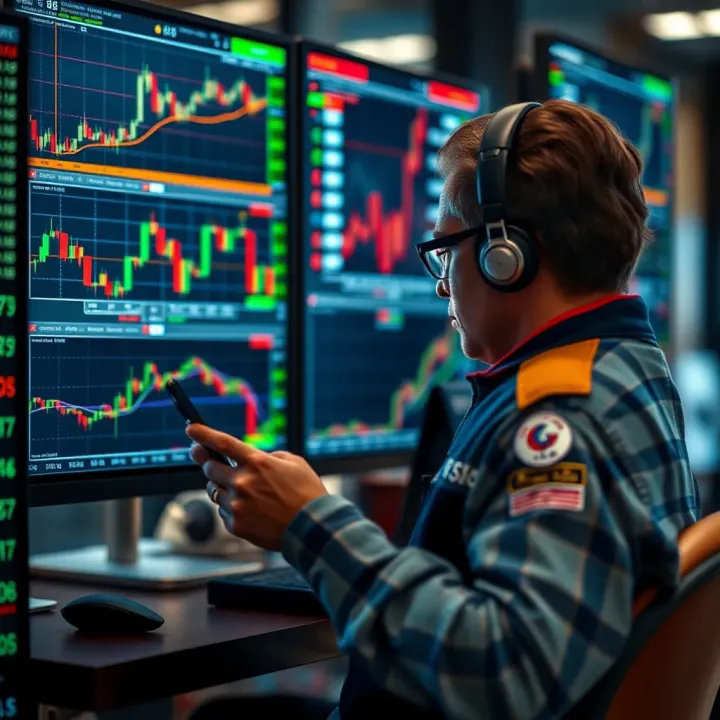
Learn Forex Trading Step by Step
📈 Learn forex trading step by step with a practical guide for Pakistanis. Understand market basics, strategies, risk management, and trading tools confidently.
Edited By
James Edwards
Forex trading, or currency trading, is increasingly popular among investors and traders in Pakistan and abroad. However, many Muslim traders wrestle with concerns about whether such trading complies with Islamic finance principles. Islam guides all financial transactions by rules designed to ensure fairness, transparency, and ethical behaviour. This means forex trading must be examined closely to see if it respects those principles.
Islamic finance primarily prohibits riba (interest), gharar (excessive uncertainty), and gambling (maysir). These restrictions affect the legitimacy of common forex practices, such as leveraging, speculation, and deferred settlement. For example, a trader who enters into a deal with delayed delivery or uncertain terms might unknowingly contravene Shariah rules.

To assess the permissibility (halal status) of forex trading, key factors need consideration:
Immediate exchange: Both currencies must be exchanged on the spot without delay to avoid riba.
Avoidance of speculation: Trading should be based on genuine currency needs, not mere guesswork or gambling.
No interest payments: Any form of interest, including swap or rollover fees, is strictly disallowed.
A practical illustration involves two parties exchanging PKR for USD instantly at a fair rate without deferred payments or added interest. Such a transaction meets Islamic requirements. On the other hand, holding leveraged positions overnight that incur swap charges often falls into forbidden territory.
Traders need to understand that not all forex platforms align with Islamic finance. Many brokers offer “Islamic accounts” that claim to remove interest charges, but due diligence is required to verify their compliance.
For Muslim traders, the guiding principle is to ensure that forex trading does not resemble gambling or interest-based lending. Staying informed about Shariah-compliant mechanisms and consulting qualified scholars or Islamic finance experts can assist in making sound decisions.
This article will further explore the challenges in forex trading from a Shariah perspective and outline practical guidance for staying faithful to Islamic ethics while engaging in currency trading.
Getting a handle on forex trading basics is key before examining its stance in Islam. Many traders jump into forex without grasping how the market functions or what factors influence currency values. This section helps clarify those fundamentals, allowing you to evaluate the compatibility of forex trading with Shariah law.
Forex trading involves exchanging one currency for another, aiming to profit from changes in exchange rates. For example, a trader might buy US dollars using Pakistani rupees if they expect the dollar to strengthen against the rupee. The difference when selling back would be their profit — assuming correct timing and market movement.
This market is actually the largest financial market globally, with daily turnover exceeding $6 trillion. Unlike stock markets centred on company shares, forex market trades currencies 24 hours across the globe, facilitated by banks, brokers, and individual traders. Understanding this continuous nature is important because price changes don’t only happen during a trading session; they vary based on global events, economic policies, or geopolitical tensions.
Forex, short for foreign exchange, refers to the buying and selling of currencies. Each forex trade pairs two currencies — such as EUR/USD (Euro to US Dollar). The aim is to buy the currency expected to rise against the other. People participate in forex for various reasons, including hedging against currency risk or speculative profit.
For instance, Pakistani exporters might use forex trading to lock in favourable exchange rates, protecting themselves from rupee depreciation before receiving foreign payments. On the other hand, speculators look purely for profits from currency fluctuations, a point that often raises ethical questions within Islamic finance.
Forex trading happens over-the-counter (OTC) rather than in a central exchange. Transactions go through a network of banks, brokers, and electronic platforms. This decentralised system means trades occur nonstop except weekends.
Trades involve either spot transactions, settled typically within two business days, or derivative contracts like forwards and options, which speculate on future currency moves. Spot trading is usually simpler, involving the immediate exchange of currencies.
Prices in forex markets are influenced by supply and demand, economic indicators (e.g., inflation, interest rates), political developments, and central bank policies. For example, if the State Bank of Pakistan raises its policy rate, it might strengthen the rupee by attracting foreign investment.
Understanding how these factors shape currency movement helps traders make informed decisions, which matters a lot when considering Shariah compliance.
In short, grasping the fundamentals of forex trading provides a necessary foundation for assessing whether the practice aligns with Islamic financial ethics and laws. Without this understanding, it’s hard to critically evaluate forex trading beyond basic assumptions or hearsay.
Understanding Islamic principles is essential when analysing financial transactions from a Shariah perspective. These principles guide Muslim traders and investors in conducting business without violating religious laws. In forex trading, for example, these rules help distinguish permissible practices from those that contradict faith, such as earning through unfair means or excessive risk-taking.
Riba (Interest): Riba refers to any guaranteed interest or increase over the principal amount of money lent. Islam strictly prohibits earning or paying interest, considering it exploitative. Practically, this means Muslims cannot engage in transactions where profit comes merely from time or lending without the risk-sharing element. For instance, conventional forex trading often involves overnight interest charges (swaps), which include riba and are therefore not allowed. Islamic forex accounts avoid this by eliminating swap fees.
Gharar (Uncertainty): Gharar means excessive ambiguity or uncertainty in a contract that could lead to unfair outcomes. The key idea here is to avoid transactions where one party could be deceived or left vulnerable. In financial terms, derivative contracts or speculative bets with unclear terms may involve gharar. For example, trading on news rumours or sudden price swings without clear contract terms might fall under this category, posing an ethical concern for Muslim traders.
Maysir (Gambling): Maysir describes earning through chance or luck, essentially gambling. Islam forbids profit if it results from gambling, as it promotes risk without productive effort. Forex trading that resembles gambling—such as random speculation betting without informed analysis—would be considered maysir. This encourages traders to base their decisions on knowledge, research, and real market understanding rather than guesswork.
Halal and Haram Transactions: In Islamic finance, transactions must be halal (permissible) and free from haram (forbidden) elements, like riba, gharar, and maysir. Additionally, dealing in unlawful commodities, such as alcohol or pork, is prohibited. Thus, for forex trading, the currency pairs should be legitimate, and the trading practices should avoid prohibited elements. This ensures financial dealings contribute positively to the economy, maintain moral standards, and align with Islamic ethics.
Justice and transparency are vital in Islamic financial dealings to ensure fairness for all parties. Every transaction should be clear and understandable, with neither side facing hidden risks or unfair terms. For example, in forex trading, clear disclosure of fees, risks, and contract terms is required. Traders should know exactly what they commit to, avoiding deceptive practices or ambiguity that can lead to disputes. This safeguards trust between participants and upholds the ethical foundation Islam demands in finance.
Fairness and honesty in financial transactions are not just legal requirements but spiritual obligations in Islam. This principle protects the market from manipulations and exploitation, promoting a just economy where wealth circulates without harm or injustice.
Islamic guidelines help Muslim traders distinguish ethical trading from exploitative or speculative practices. By focusing on fairness, clarity and avoiding riba, gharar, and maysir, they can engage in forex trading that respects their faith while managing risks responsibly.
Evaluating forex trading within the framework of Shariah law is essential for Muslim investors who want to participate in this market without compromising their religious principles. This assessment helps distinguish permissible trading practices from those that conflict with Islamic finance rules, such as avoiding interest (riba), uncertainty (gharar), and gambling (maysir). Such evaluation is not merely theoretical; it guides Muslims in making informed decisions that align with both their ethical and financial goals.
By carefully examining the structure and mechanics of forex trading, one can identify elements that may render transactions haram (forbidden). For instance, the widespread use of leverage and the inherent speculation in forex pose significant challenges from an Islamic perspective. Understanding these concerns benefits traders by helping them avoid practices that might incur spiritual consequences or financial risks beyond their control.
Riba refers to any guaranteed interest on loans or deposits, which Islam strictly forbids. In conventional forex trading, accounts often involve swap fees or rollover interest charged for holding positions overnight. These fees are a form of riba and hence make trading impermissible if not addressed. For example, when a trader holds a USD/PKR position beyond the trading day, the broker may add or deduct swap charges based on interest rate differentials, which constitutes riba.
This aspect is practically relevant because many popular trading platforms do not automatically exclude such charges. Therefore, traders who want to adhere to Shariah must either avoid overnight positions or use specialised Islamic forex accounts that do not involve swaps.
Islam prohibits transactions that involve excessive gharar, or uncertainty, which can cause injustice or harm. Forex trading can sometimes border on speculation when traders bet on short-term price movements without underlying economic activity. Such high-risk speculation resembles gambling (maysir), which is also forbidden.
For instance, if a trader opens multiple positions based solely on market rumours or unpredictable news with no fundamental basis, it may amount to excessive uncertainty. Practically, this affects traders who rely heavily on technical analysis or rapid trades without considering economic realities, potentially violating Islamic ethics.
Leverage allows traders to control large positions with a small amount of capital, often borrowing funds from brokers. While leverage can increase profits, it also amplifies risks and exposures, making trades highly speculative and uncertain. From a Shariah viewpoint, borrowing with interest to trade or engaging in margin trading can be problematic due to embedded riba and gharar.
In practice, many conventional brokers offer high leverage ratios (e.g., 1:100 or higher), which tempt traders but raise serious ethical and financial issues under Islamic law. Traders must therefore assess the acceptable limits of leverage or seek brokers providing Shariah-compliant terms.
Many brokers now offer swap-free or Islamic forex accounts that eliminate overnight interest charges. These accounts are designed to meet Shariah requirements by not charging or paying riba-based swaps. Instead, they may earn commissions or fixed fees disclosed transparently.
This alternative is practically significant for Muslim traders who want to avoid riba but still engage in forex trading. For example, a Pakistani trader using an Islamic forex account with a broker like XM or IC Markets can hold positions overnight without incurring haram interest, maintaining compliance with Islamic principles.
Shariah favours spot transactions where currencies are exchanged immediately or within a short period (usually two business days). Forward contracts involving future delivery at pre-agreed rates often fall into the gharar category because of uncertainty and delayed exchange.
In practical terms, trading spot forex aligns better with Islamic law since it reduces speculation and ensures immediate exchange of assets. Conversely, forward contracts or futures trading can be viewed as gambling if the parties do not take possession of the underlying assets promptly.
Muslim traders should prioritise immediate settlement forex trades and Islamic accounts to align with Shariah, avoiding interest and excessive uncertainty.
By understanding and applying these principles, Muslim investors can navigate the forex market confidently while respecting their faith and managing practical financial risks.
Muslims seeking to engage in forex trading must balance opportunity with adherence to Islamic law. Practical guidance helps clarify how one can enter forex markets without compromising religious principles. This section offers actionable advice on selecting ethical brokers and managing risks responsibly.
Selecting a broker that respects Shariah principles is essential. Many conventional brokers charge or pay interest (known as swaps) on overnight positions, which is strictly prohibited in Islam due to riba (interest). Look for brokers offering "Islamic forex accounts" that eliminate swaps and rollover interest. For example, a trader based in Karachi might choose local or international brokers like FXTM or HotForex that provide swap-free accounts tailored for Muslim clients.
Beyond swaps, ensure the broker operates transparently with clear contract terms to avoid gharar (excessive uncertainty). Avoid brokers that use high leverage indiscriminately, as excessive leverage multiplies risk and can encourage gambling-like behaviour.
Forex trading should focus on genuine currency exchange rather than mere speculation. Excessive speculation resembles gambling, which Islam forbids. Traders must avoid chasing quick profits through aggressive margin use or arbitrage strategies with very little underlying analysis. Instead, they should base decisions on market fundamentals or logical technical indicators.
For instance, a trader analysing macroeconomic indicators like Pakistan's trade balance or State Bank of Pakistan’s interest rate decisions aligns more with informed trading than blind speculation. Avoiding impulsive trades keeps the endeavour ethically sound.
Fairness demands open and honest dealings. Traders must have clear contract terms and understand fees, spreads, or commissions upfront. Hidden charges or complex derivative products can create imbalance and uncertainty, violating Shariah standards.
Moreover, brokers should provide reliable pricing without manipulation. For example, a broker that offers real-time, verifiable rates for PKR/USD pairs promotes transparency. Traders should steer clear of platforms that artificially widen spreads or delay order execution unfairly.
Transparency and fairness help sustain trust, ensuring forex trading stays within ethical and religious boundaries. Without them, risk increases not just financially but spiritually.
In Pakistan’s evolving financial markets, Muslims can trade forex profitably while respecting Islamic law by choosing compliant brokers and practising disciplined, well-informed trading strategies.
Islamic scholars play a vital role in guiding Muslims on complex financial matters like forex trading. Their opinions and fatwas help clarify whether certain trading practices align with Shariah law. Since forex trading involves aspects such as speculation and interest, which are sensitive under Islamic rules, the diverse scholarly views offer valuable perspectives for everyday traders trying to make informed choices.
Scholars differ mainly in how they interpret issues like leverage, swaps, and contract terms in forex trading. Some Islamic jurists consider spot forex trading permissible if it involves immediate exchange and no interest (riba). They argue that with Islamic accounts that exclude overnight swaps, trading respects Shariah principles. However, others remain cautious, pointing out that high speculation and use of margin resembles gambling (maysir), which Islam forbids.
For example, a notable body of scholars in Pakistan and Saudi Arabia endorses zero-swap accounts, but some scholars in other regions advise against forex trading altogether because of market volatility and uncertainty (gharar). These differing standpoints stem from varied jurisprudential methodologies and local market realities.
When facing conflicting fatwas, traders should carefully evaluate the reasoning behind each view and consider their own capacity for managing risks. Consulting trusted Islamic finance experts and reputable Shariah advisory boards can help. Traders who wish to stay cautious might opt for forex trading with accounts certified by well-known Islamic finance authorities, where contracts comply strictly with Shariah rules.
An actionable step is to avoid leverage and complicated derivatives that increase uncertainty, sticking to spot trading with immediate delivery. Also, transparency from brokers about their contract terms helps Muslims trade confidently without fearing hidden interest or forbidden elements.
In short, the variety of scholarly opinions reflects Islam's rich legal tradition but requires individual awareness and prudence when choosing to engage in forex trading.
Understanding fatwas on forex trading not only helps Muslims ensure compliance with their faith but also promotes ethical investing practices, which ultimately benefit the market’s integrity and the individual trader’s peace of mind.
📈 Learn forex trading step by step with a practical guide for Pakistanis. Understand market basics, strategies, risk management, and trading tools confidently.
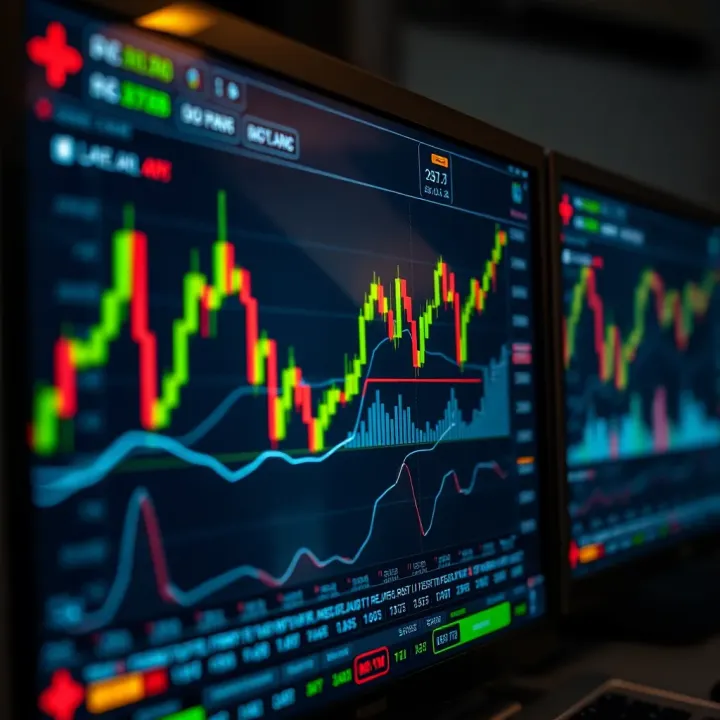
Find the best forex trading platform for Pakistani traders 🇵🇰. Learn about features, costs, regulations, usability & tools to make smarter trades! 💹
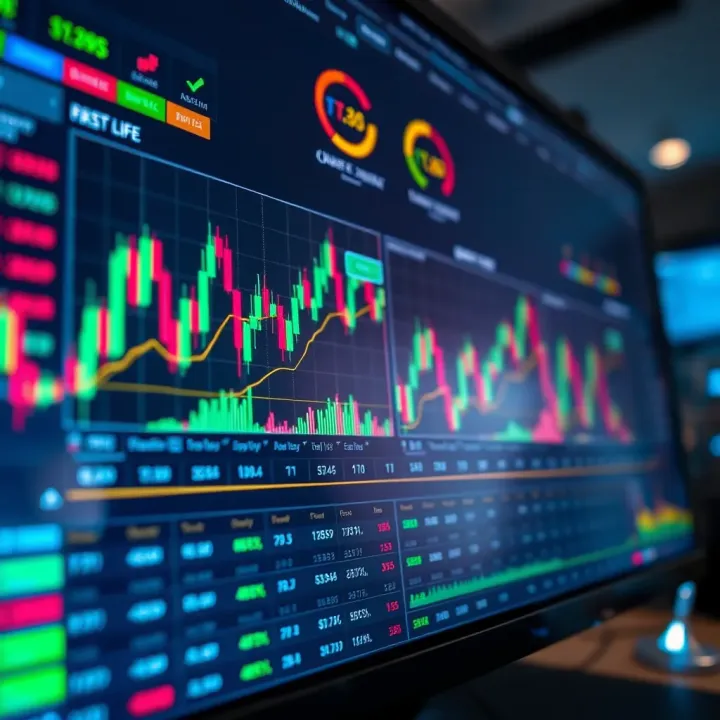
Looking for the best forex trading broker in Pakistan? Learn to evaluate regulation, fees, platforms & customer support to trade smartly. 💹💼

📈 Master forex trading graphs to spot trends, interpret key indicators, and identify chart patterns. Boost your trading skills with practical tips to manage risks effectively.
Based on 12 reviews