
Best Forex Trading Platforms for Pakistani Traders
Find the best forex trading platform for Pakistani traders 🇵🇰. Learn about features, costs, regulations, usability & tools to make smarter trades! 💹
Edited By
Henry Walker
Forex trading involves exchanging one currency for another, aiming to profit from fluctuating exchange rates. For traders in Pakistan, it’s essential to get a solid grasp of how the forex market works before diving in.
The forex market runs 24 hours a day, five days a week, as currencies are traded globally across several financial centres. This constant activity means opportunities and risks can come at any time, so being prepared is key.
Liquidity: Forex is the largest financial market globally, with daily trading volume exceeding $6 trillion.
Flexibility: You can trade at your convenience, adapting strategies to suit local timings like Pakistan Standard Time (PKT).
Leverage: Brokers often offer leverage, allowing traders to control larger positions with limited capital (but remember, it can amplify losses too).
Before selecting any trading strategy, understand these fundamentals:
Currency Pairs: Forex always involves pairs, like USD/PKR or EUR/USD, indicating how much one currency is worth in terms of the other.
Bid and Ask Price: The bid is what buyers will pay, the ask price is what sellers ask for. The difference, called the spread, is the broker's fee.
Pips and Lots: A pip is the smallest price move, often 0.0001 for most pairs. Lots define trade size, where 1 standard lot equals 100,000 units of currency.
Remember, no system guarantees profits. It's about managing risks and making informed decisions consistently.
For Pakistani traders, keeping an eye on SBP policies, rupee fluctuations, and geopolitical shifts is crucial. Economic announcements, like the quarterly GDP report or changes in import/export duties by FBR, can cause significant market moves.
To get started, gather reliable data, select a trustworthy broker approved by the State Bank of Pakistan (SBP), and practise on demo accounts before risking real money.
In next sections, you will find detailed guides on market analysis, risk management, and practical trading strategies designed for Pakistan’s trading environment.
Grasping the basics of forex trading is essential for anyone looking to participate in this global market. Understanding how currency pairs work, when the market is active, and the roles different players perform can help traders avoid costly mistakes and make better decisions. This knowledge also builds a strong foundation for learning strategies and managing risks effectively.
Forex trading involves buying one currency while simultaneously selling another. This exchange happens on the foreign exchange market, which connects banks, brokers, financial institutions, and individual traders worldwide. For example, when you trade USD/PKR, you're essentially speculating on whether the US dollar will strengthen or weaken against the Pakistani rupee.
Each currency pair consists of two parts: the base currency and the quote currency. The base currency is the one you buy or sell, while the quote currency represents the amount you need to pay for one unit of the base currency. For instance, in the pair USD/PKR, USD is the base currency, and PKR is the quote currency. If USD/PKR is at 280, it means you need 280 Pakistani rupees to buy one US dollar.
Understanding this helps you interpret price movements correctly. If the pair rises, it means the base currency (USD) is strengthening against the quote currency (PKR). This is crucial when planning trades, as it informs you about currency strength and market sentiment.
Currency pairs such as USD/PKR, EUR/USD, and GBP/USD attract most traders because they offer high liquidity and tighter spreads, making trading more cost-efficient. USD/PKR is particularly relevant for Pakistani traders due to direct implications on imports, exports, and remittances. EUR/USD and GBP/USD are major pairs with larger volume and volatility that can offer more trading opportunities but may require understanding of global economic shifts.
The forex market runs 24 hours a day, five days a week, covering different sessions: Asian, European, and North American. The Asian session, including Karachi and Mumbai exchanges, is active during Pakistan Standard Time morning hours. Market dynamics change across sessions; for example, volatility tends to increase when London and New York sessions overlap. Knowing when the market is most active helps traders choose optimal times for entry and exit.
Brokers serve as intermediaries linking individual traders to the larger forex market. They offer trading platforms, execute orders, and provide leverage. Liquidity providers, such as major banks and financial institutions, supply the actual currency liquidity that keeps the market fluid. Brokers usually connect to these providers to offer competitive prices. Selecting a reliable broker with transparent pricing and solid reputation is vital to ensure smooth trading and fair execution.
A solid grasp of these basics equips you to navigate the forex market wisely and increases the chance of sustaining profits while managing risks effectively.
Setting up to trade forex is the foundation every trader must build before entering the market. It involves selecting the right broker, opening and funding an account, and getting comfortable with trading platforms. This process ensures you can trade smoothly, stay safe from scams, and manage your funds efficiently.
Regulations and licences are critical when picking a forex broker, especially for traders based in Pakistan. The broker should be authorised by recognised regulatory bodies, such as the Securities and Exchange Commission of Pakistan (SECP) or international regulators like the FCA (UK) or CySEC (Cyprus). These licences ensure the broker follows rules designed to protect traders, including segregation of client funds and transparent operations. Without such regulation, you risk losing your capital to fraud or unfair practices.
Besides regulatory status, evaluating spreads, commissions, and platform features helps pick a broker suited to your style and budget. Spreads refer to the difference between the buying and selling price of currency pairs; lower spreads reduce your trading costs. Some brokers offer fixed spreads, while others provide variable spreads depending on market conditions. Commissions are fees charged per trade — brokers with zero commission may have wider spreads to compensate. Platform features like charting tools, order types, and execution speed also matter; a smooth platform helps you react quickly to market moves, especially when trading volatile pairs like USD/PKR.
Opening a forex trading account requires essential documents such as your Computerised National Identity Card (CNIC). Brokers use this to verify your identity and comply with anti-money laundering laws. You may also need proof of address and possibly bank statements. This process protects both you and the broker, ensuring genuine trading activities.
When it comes to funding your account, local payment methods like JazzCash and Easypaisa have made it easier and quicker for Pakistani traders. These e-wallets allow instant transfers directly from your mobile, avoiding delays and hefty international bank charges. For example, it’s much simpler to deposit Rs 10,000 via JazzCash than to wire funds internationally. Using these local options also supports better record-keeping and faster withdrawals.
Most forex trading happens through platforms like MetaTrader 4 (MT4), MetaTrader 5 (MT5), or cTrader. MT4 remains popular due to its simplicity and large user base, while MT5 offers more advanced tools and supports additional asset classes. cTrader is favoured by some for its sleek interface and fast execution. Selecting the right platform depends on your preference and the broker's offerings.
Basic functions such as opening, modifying, and closing orders are vital skills when using any platform. Order placement includes types like market orders, limit orders, and stop-loss orders—each serving different trading needs. For instance, setting a stop-loss helps limit losses if the market moves against you. Familiarising yourself with these functions reduces errors and allows confident trade management.
Remember, a well-chosen broker, secure account setup, and user-friendly platform make your forex trading experience safe and efficient. Taking these steps seriously helps you focus on mastering market strategies rather than dealing with technical or financial complications.
By following these practical steps in setting up to trade forex, you prepare yourself for a smoother journey as a trader in Pakistan’s growing forex environment.
Successful forex trading depends heavily on understanding the forces that drive currency price movements. Fundamental and technical analysis are two essential tools that help traders make informed decisions. Fundamentally, traders look into economic health and political situations to gauge currency strength. Technically, they study price charts and indicators to time their trades better. Combining these approaches can improve market timing and risk management.
Central bank policies significantly impact forex prices. The State Bank of Pakistan (SBP), for example, adjusts its policy interest rates to control inflation and stimulate growth. When SBP raises its rates, it usually strengthens the Pakistani Rupee (PKR) because higher rates attract foreign investment, increasing demand for PKR. Conversely, lowering rates can weaken the currency. Forex traders in Pakistan watch these announcements closely to anticipate price swings, especially in USD/PKR trades.
Economic releases such as GDP growth, inflation (CPI), and unemployment figures further influence forex movement. If inflation rises faster than expected, the SBP might hike rates, pushing PKR higher. Traders combine these signals to understand whether a currency will gain or lose value.
Political stability plays a vital role in currency strength. Uncertainty, like government changes or election periods, often causes volatility in PKR and regional currencies. For instance, during major political shifts in Islamabad, trading volumes on USD/PKR may surge with wider price swings.
Global happenings also affect forex markets. For example, geopolitical tensions affecting oil prices can influence currencies of oil-importing countries like Pakistan. Similarly, international trade policies and relations impact capital flows — especially relevant for emerging markets. Forex traders must stay updated on such events using news sources and economic calendars to adjust their positions accordingly.
Charts provide a visual history of price movements and help traders identify patterns and trends in the forex market. Price action analysis involves reading candlestick formations that tell stories about market sentiment, whether buyers or sellers are dominant.
For instance, a series of higher highs and higher lows signals an uptrend. Pakistani traders might look at USD/PKR charts to spot these trends, making entries during pullbacks. Price levels where price repeatedly reverses are known as support or resistance, guiding traders on when to buy or sell.
Indicators help simplify market data by generating signals based on historical prices. Moving averages smooth out price fluctuations and confirm trend direction. For example, the 50-day moving average crossing above the 200-day signals a potential uptrend.
The Relative Strength Index (RSI) measures overbought or oversold conditions, suggesting when a price might reverse. An RSI above 70 indicates a currency pair may be overbought, signalling a potential sell opportunity. Meanwhile, the Moving Average Convergence Divergence (MACD) captures momentum shifts by comparing short and long-term moving averages, helping traders spot trend changes early.
Combining fundamental insights with technical analysis offers a fuller picture, reducing guesswork and helping traders manage risks better in Pakistan's forex market.
By mastering these basics, you will better interpret market movements and make smarter trading choices.
Understanding basic forex trading strategies is essential for beginners aiming to navigate the volatile currency market confidently. Such strategies help structure decisions and reduce emotional impulses. By applying these techniques, new traders can better identify opportunities and manage risks, making trading more than just guesswork.
Identifying trends in forex means spotting the general direction in which a currency pair's price moves over a period. Traders in Pakistan often keep an eye on USD/PKR or EUR/USD charts, watching for whether prices are generally rising, falling, or moving sideways. For example, if the USD/PKR rate consistently rises over days or weeks, it shows an upward trend where buying opportunities might arise.
Knowing when a market is trending helps you avoid entering trades against the flow, which can reduce losses. Trends can be short-term, like a few hours, or longer, such as several weeks, so recognising this can guide your trading timeframe.
Using moving averages to confirm direction means applying a simple mathematical tool that smooths out price fluctuations. A moving average calculates the average price over a set number of periods. For instance, a 50-day moving average looks at the average price over the past 50 days.
If the current price is above the moving average, it suggests a bullish trend; if it's below, a bearish trend. Pakistani traders use this to confirm whether to enter or exit trades. For example, a rising USD/PKR crossing above its 50-day moving average may signal a good time to buy.
Recognising support and resistance levels is about identifying price points where the currency pair tends to stop falling (support) or rising (resistance). These levels act like invisible walls. Consider PKR's exchange rate hovering between Rs 160 and Rs 162 against the USD regularly; these levels become your guide.
Traders use charts to spot these levels and trade within the range. Buying near support and selling near resistance is a common approach to capitalise on predictable price movement without chasing trends.
Using oscillators to spot reversals pairs well with range trading. Oscillators like the Relative Strength Index (RSI) signal when a currency is overbought or oversold. For example, if RSI shows USD/PKR as oversold near the support level, it indicates a likely price rebound.
This helps traders catch reversals early, increasing chances of profiting on price changes within the range.
Stop loss and take profit explained: A stop loss is an order placed to sell when a loss hits a certain level, while take profit locks in gains by selling at a set price.
For example, if you buy EUR/USD at 1.1000, you might place a stop loss at 1.0950 to limit losses and take profit at 1.1100 to secure a gain if the price rises. This discipline avoids emotional decisions and protects capital.
Managing trades effectively requires monitoring open positions and adjusting stops if the market moves favourably. Suppose after buying GBP/USD, the price moves your way; you might raise your stop loss to break even to prevent any loss.
Efficient management helps lock in profits and reduce risks, especially when the market can change suddenly due to global news or SBP announcements.
Consistent use of basic strategies like trend following, range trading, and clear entry-exit planning creates a foundation that beginners can build on for successful forex trading in Pakistan.
Managing risks and controlling your emotions are at the heart of successful forex trading. Many beginners jump in thinking only about making profits, but ignoring risk can quickly wipe out their capital. In Pakistan’s volatile economic environment, with factors like rupee fluctuations and political shifts, risk management is even more vital. Equally important is keeping your emotions in check—panic or greed have led countless traders to costly mistakes.
Position sizing is a fundamental risk control tool. It means deciding how much of your capital to allocate to a single trade. For example, if you have Rs 100,000 in your trading account, risking 1-2% on one trade (Rs 1,000 to Rs 2,000) helps protect you from a big loss that could seriously affect your overall balance. Position sizing adjusts according to your stop loss distance and account size, making it essential to calculate carefully before entering a trade.
Using stop losses to limit losses is another key strategy. A stop loss order automatically closes your position when the price moves against you by a predefined amount. This prevents small losses from turning into big ones. For instance, if you buy USD/PKR at 280 and place a stop loss at 278, your maximum loss is limited to 2 rupees per unit. Many traders underestimate stop losses, leaving themselves exposed. But setting reasonable stops lets you trade with discipline, avoiding emotional decisions when the market moves unexpectedly.
Overtrading and revenge trading are pitfalls that trap many beginners. Overtrading happens when you take too many trades in a short span, often out of boredom or an urge to recover previous losses quickly. Revenge trading is attempting to immediately win back money lost on a bad trade, usually by increasing position size recklessly. Both lead to emotional trading and bigger losses. Be mindful and limit the number of trades per day based on your strategy and comfort.
Importance of maintaining discipline cannot be overstated in forex trading. Discipline means sticking to your trading plan and risk parameters without exceptions. It helps you avoid impulsive decisions driven by fear or greed. As an example, if your rules say you should risk only 2% per trade and take profits at a certain level, follow them strictly even if you’re tempted to deviate. Over time, this habit builds consistency and reduces stress, which can protect you in Pakistan’s fluctuating forex market.
Successful traders treat risk management and emotional control as daily habits, not optional extras. They understand that without these, profits won’t last long in the fast-moving forex market.
By focusing on proper position sizing, applying stop losses, avoiding common traps like overtrading, and sticking to disciplined trading routines, you can greatly improve your chances of steady profits while preserving your capital.
Mastering forex trading demands continuous learning and practice. The market shifts quickly, influenced by economic changes, political events, and trader sentiments. Staying updated and practising regularly helps you adapt and refine your skills, avoiding costly mistakes.
Demo accounts replicate live market conditions with real-time price movements but use virtual money. This allows you to experience how trades execute, how spreads fluctuate, and how market volatility affects your positions without risking actual capital. It’s a safe space to build familiarity.
These accounts let you test different trading strategies or indicators in a risk-free setting. For example, you might try a moving average crossover strategy or RSI-based entry points without worrying about immediate losses. Once confident, you can shift to a live account knowing what to expect.
Engaging with well-established websites and Pakistani forex forums can provide timely insights. Local communities often discuss market trends affected by Pakistan's unique economic factors, like SBP rate changes or PKR exchange fluctuations, which international sources may overlook.
Tracking updates from the State Bank of Pakistan (SBP) and economic news is essential for fundamental analysis. Policies like interest rate adjustments or import-export restrictions directly impact currency pairs such as USD/PKR. Regularly checking these sources sharpens your ability to anticipate market moves.
Documenting your trades, including entry and exit prices, reasons for the trade, and outcomes, creates a detailed record. This habit helps you spot patterns over time, such as which strategies work best or common pitfalls.
Analysing your journal offers valuable lessons from both wins and losses. For instance, you might realise that trades during Islamabad’s market hours perform better, or that overtrading leads to unnecessary losses. This self-awareness helps improve discipline and strategy.
Consistent education and practice transform forex trading from guesswork into a disciplined activity with better chances of success.
By dedicating time to demo practice, tapping into trusted resources, and keeping a sharp journal, you build the foundation needed to navigate Pakistan’s forex market confidently and sustainably.
Find the best forex trading platform for Pakistani traders 🇵🇰. Learn about features, costs, regulations, usability & tools to make smarter trades! 💹
Looking for the best forex trading broker in Pakistan? Learn to evaluate regulation, fees, platforms & customer support to trade smartly. 💹💼
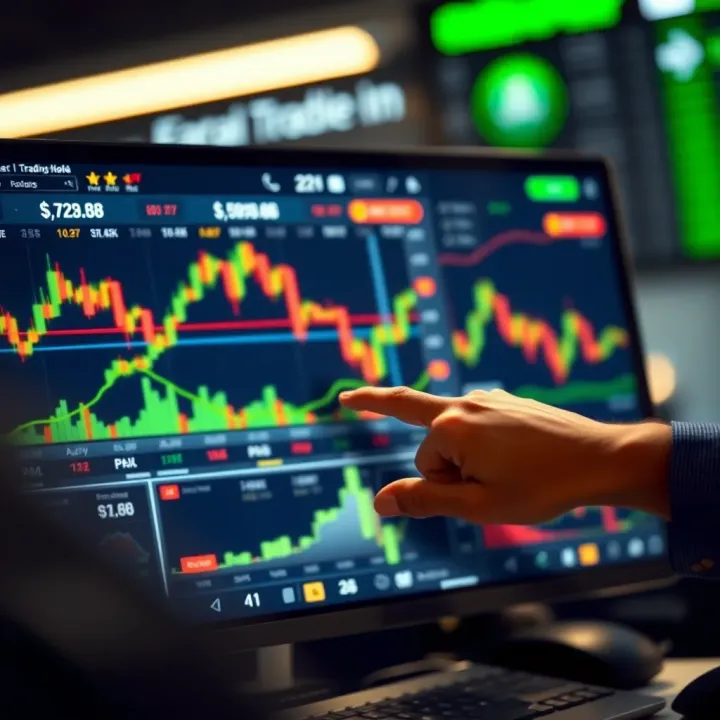
Discover key tips for Pakistani traders on choosing forex platforms 🌐 Compare fees, usability, currency options, and tools to fit your trading style ✔️
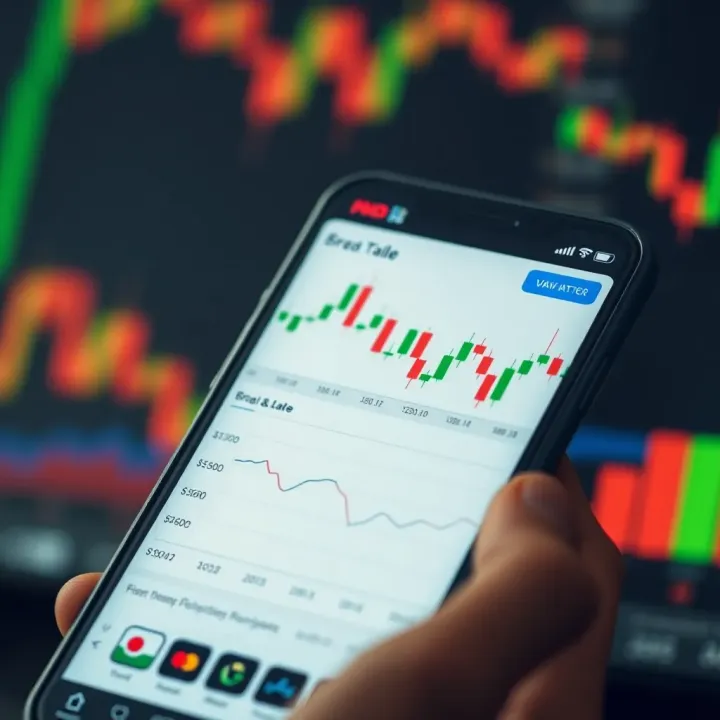
Discover the best forex trading apps in Pakistan 📈. Compare features, security, costs & usability to pick the perfect app for your trading needs!
Based on 15 reviews