
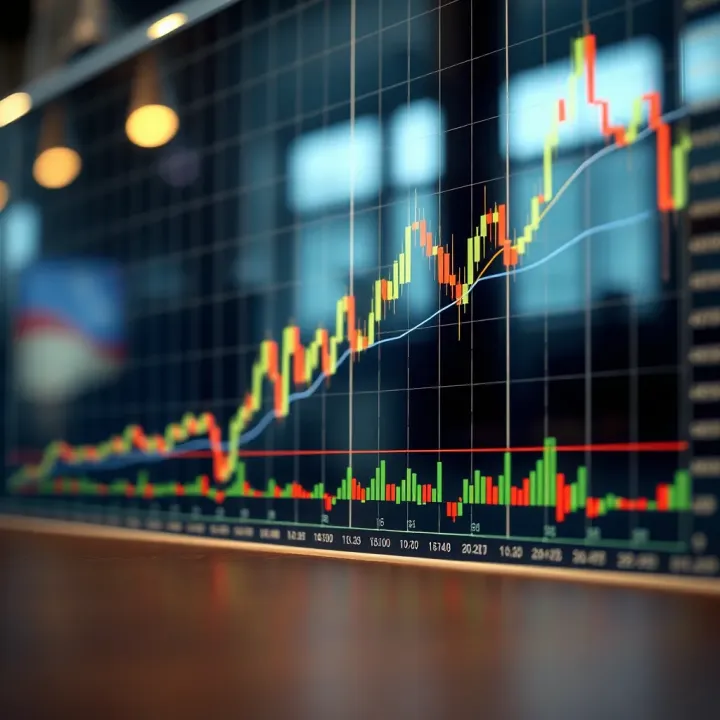
Understanding Forex Trading Graphs for Pakistani Traders
📈 Master forex trading graphs to spot trends, interpret key indicators, and identify chart patterns. Boost your trading skills with practical tips to manage risks effectively.
Edited By
Amelia Turner
Forex trading daily volume measures the total value of currency pairs traded within a single day. This figure reflects overall market activity and liquidity, helping traders gauge how easy it is to enter or exit positions without causing price swings.
In the forex market, daily volume is massive — frequently exceeding $6 trillion globally. For Pakistani traders, understanding this scale offers perspective on where their local markets fit in vs international hubs like London, New York, or Singapore.
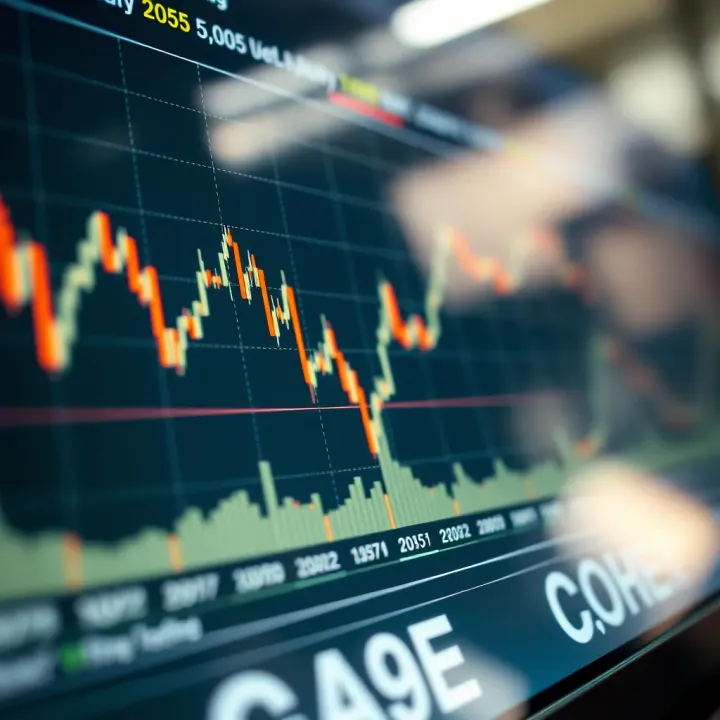
Higher daily trading volumes usually lead to tighter spreads and better pricing, which benefits traders by reducing transaction costs.
Volume influences price volatility and trend strength. For instance, a sharp price move on high volume suggests genuine market interest, whereas a similar move on low volume might be a false signal. Traders often cross-reference volume with other technical tools to confirm trade setups.
Some key factors affect daily forex volume:
Market hours: Volume spikes during overlapping trading sessions, such as London-New York. Pakistani traders should note volume changes during UK and US market opens.
Economic news: Announcements like SBP interest rate decisions or US employment reports trigger surges in volume.
Geopolitical events: Elections or regional conflicts can shift volume patterns quickly.
Unlike stock markets, the forex market lacks a central exchange, so volume data often comes from brokers or platforms. Pakistani traders should rely on reputable sources offering aggregated volumes for accuracy.
By tracking daily volume, you can:
Identify the most active currency pairs.
Spot potential breakouts with reliable momentum.
Avoid trading during low-volume times, minimising slippage.
In short, daily volume is a practical gauge of market health. For Pakistani investors, integrating volume analysis with local economic factors and global trends sharpens decision-making in forex trading.
Forex trading daily volume refers to the total amount of currency traded in the foreign exchange market within a single day. Understanding this volume is essential for traders and investors because it reflects the strength and activity level of the market at any given time. For instance, during a busy session when the London and New York markets overlap, daily volume can spike significantly, indicating more liquidity and faster price movements.
High daily volume often points to active participation by big players such as banks, financial institutions, and large corporations. Tracking this volume helps traders gauge market interest in specific currency pairs, which affects how easily trades can be executed without causing major price changes.
Forex trading volume varies by currency pairs, usually highest among the so-called major pairs, like USD/PKR, EUR/USD, or GBP/USD. These pairs attract the greatest volume because they involve widely used global currencies with established liquidity. For Pakistani traders, USD/PKR and EUR/USD are common pairs with significant daily turnover.
Exotic pairs, such as PKR paired with less traded currencies, generally exhibit lower volume and higher spreads. This difference affects trading costs and price stability, so recognising which currency pairs have substantial volume helps traders pick pairs better suited to their strategies.
Forex trading volume encompasses spot market transactions, futures contracts, and options. Spot volume relates to immediate currency exchanges and typically represents the bulk of daily activity. For example, when a Pakistani importer pays a foreign supplier, they use the spot market for immediate conversion.
Futures and options volumes reflect trading in contracts to buy or sell currencies at a future date. These volumes are important for hedging and speculative trades but represent a smaller slice compared to spot. Monitoring volumes across these instruments gives traders insights into market sentiment and potential price moves.
Daily volume directly affects market liquidity—the ease with which currencies can be bought or sold without impacting price. When volume is high, such as during the London-New York overlap, liquidity improves, reducing the risk of slippage and allowing tighter spreads. This stability benefits all traders by lowering transaction costs and creating fairer prices.
In contrast, low volume periods, often during Asian or Pacific sessions, can lead to wider spreads and more volatile price swings. For example, Pakistani traders watching USD/PKR might notice more erratic prices during these quieter times.
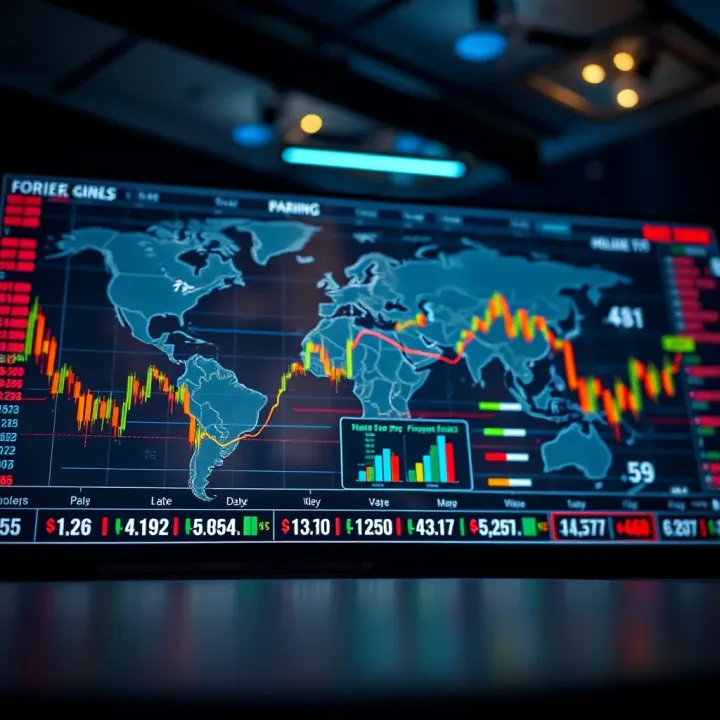
Daily volume acts as a barometer for market activity. Surge in volume usually signals heightened interest, often triggered by economic news or political events. For example, when the State Bank of Pakistan announces a policy rate change, currency trading volume can swell as traders react to the news.
Volume helps confirm price movements—strong price rises or falls on low volume may lack conviction, while those supported by high volume show genuine shifts in supply and demand. Thus, monitoring volume helps traders avoid false signals and make better timing decisions.
Understanding forex daily volume equips traders with a clearer picture of market health and opportunities. It’s a vital piece of the puzzle for managing risk and spotting fruitful trades, especially in markets as dynamic as forex.
Key points to remember:
Major currency pairs usually have the highest daily volume.
Spot market dominates daily forex volume, but futures and options also matter.
High volume improves liquidity, reduces spreads, and delivers price stability.
Volume spikes can indicate market reactions to key events and confirm trend strength.
Daily volume in forex markets does not stay the same every day; several key factors cause fluctuations. Understanding these can help traders make better decisions, especially when timing trades or managing risk. Let's break down the main elements that influence forex trading volume.
Impact of announcements like interest rate decisions: Central banks' interest rate announcements strongly impact forex volume. For instance, when the State Bank of Pakistan adjusts rates or the US Federal Reserve makes a move, traders rush in to reposition their holdings. This sudden burst of activity usually spikes volume and can cause sharp price swings. Traders aware of these schedules often avoid entering new positions moments before such announcements due to volatility but prepare to capitalise right after by following the increased volume trends.
Geopolitical developments: Unplanned geopolitical events, such as elections, military conflicts, or trade negotiations, also impact daily forex volume. Consider the US-China trade talks, which often create uncertainty. Traders then increase volume in certain pairs like USD-CNY or USD-PKR to hedge or speculate on outcomes. These events can suddenly make less popular currency pairs active, altering typical volume patterns and offering traders unique opportunities.
Overlap of London and New York sessions: The busiest trading hours drop in the overlap between the London and New York sessions, roughly 2 pm to 5 pm PKT. This overlap combines liquidity from Europe and North America, driving volume higher, especially in major pairs like EUR-USD, GBP-USD, and USD-JPY. For Pakistani traders, understanding this helps time entries to when the market has higher activity—and therefore narrower spreads and better price execution.
Asian market contributions: The Asian session, including markets in Tokyo, Hong Kong, and Singapore, feeds volume primarily in pairs like USD-JPY and AUD-USD. Though generally less volatile than European and US overlaps, the Asian session provides important price movements and sets the tone for the day. For example, economic data from Japan or China released during this time draws a spike in volume locally, even if global participation is lower.
Volume differences and reasons: Major currency pairs like EUR-USD, USD-JPY, and GBP-USD account for the bulk of forex volume daily. These pairs are heavily traded due to their liquidity and economic significance. Exotic pairs, involving currencies such as PKR, TRY, or ZAR against major currencies, see lower volume because of limited market participants and wider spreads. Lower volume can lead to less price stability but may offer larger swings beneficial for certain trading styles.
Trading behaviour differences: Traders approach major and exotic pairs differently. High volume in majors typically supports tight stop-loss orders and scalping strategies due to reliable fills and lower slippage. In contrast, trading exotic pairs demands patience and wider stops, as sudden volume surges may cause volatile price jumps. Pakistani traders often lean on majors for regular trades while watching exotic pairs during specific events influencing those currencies.
Being aware of these factors can give you an edge to anticipate when volume will rise or fall. This knowledge helps plan entries, avoid unnecessary risk, and understand the price movements better.
By watching global news, market timings, and recognising pair-specific volume behaviours, you are set to navigate the forex market with more confidence and control.
Measuring and interpreting daily volume data is key to understanding forex market dynamics. It helps traders assess market liquidity, validate price movements, and make informed decisions. Unlike stock markets, forex volume data isn't uniformly transparent, so knowing where and how to find reliable volume figures is essential for any serious trader.
Broker platforms offer the most accessible volume data for retail traders. These platforms record trade volumes executed through their system, giving a snapshot of market activity among their clients. However, this data reflects only the broker’s clientele, which may not represent the entire forex market. Still, watching volume changes here can alert traders to increased activity in specific currency pairs, especially during news releases.
Interbank market data limitations arise because the forex market is largely decentralized. The interbank market, where the largest volumes of forex trades occur, does not publicly publish comprehensive volume data. This opacity limits traders from seeing the full picture, making wholesale market volume figures unavailable. Consequently, traders rely on broker data or exchange-based instruments as proxies.
Exchange-traded instruments, like currency futures and options listed on exchanges such as the Chicago Mercantile Exchange (CME), provide transparent and standardised volume data. These figures offer insight into market interest and forthcoming price moves. Pakistani traders monitoring USD futures, for example, can grasp market sentiment and hedge accordingly. Though these instruments represent a fraction of global forex volume, their clarity and regulation make their volume data highly reliable.
On-balance volume (OBV) is a cumulative indicator that adds volume on up days and subtracts on down days. OBV helps traders confirm price trends by showing whether volume supports price direction. For instance, if a currency pair’s price rises but OBV falls, it may signal weakening momentum and a possible reversal.
Volume-weighted average price (VWAP) calculates the average price weighted by volume, giving a better sense of an asset’s true trading price throughout the day. Traders use VWAP to identify intraday support or resistance levels and evaluate trade performance. In volatile forex sessions, VWAP can guide entry or exit points more accurately than simple price levels.
Volume oscillators compare short-term and long-term volume averages to detect shifts in trading activity. When the oscillator rises, it indicates volume increasing faster than usual, often preceding strong moves. Conversely, declining oscillator values can warn of dwindling interest, helping traders avoid entering fading trends.
Understanding these volume sources and tools equips traders with a sharper edge in forex markets, especially in Pakistan where volume transparency varies. Using a mix of broker data, exchange-traded figures, and technical volume indicators provides a fuller picture to navigate daily market fluctuations effectively.
Daily trading volume offers critical clues for strategy development in forex markets. For traders, understanding volume helps confirm the direction and strength of price movements, while also guiding smarter entry and exit points. Observing volume patterns alongside price actions reduces guesswork, especially in a market as fluid as forex.
Identifying strong trends: High volume during a price move usually indicates a strong trend. For example, if the US dollar (USD) is rising against the Pakistani rupee (PKR) with rising volume, it suggests genuine buying interest behind the move. Traders can rely more confidently on such trends, often holding positions longer expecting continuation. On the flip side, a price rise with low or declining volume might suggest weak enthusiasm, warning traders of a possible fading trend.
Spotting reversals: Volume spikes often precede or accompany market reversals. Imagine the EUR/USD pair declining steadily but then experiencing a sudden surge in volume without significant price drop—this could be a hint that sellers are exhausted and buyers are stepping in. Traders watch for such volume surges near support or resistance levels to spot early reversal signals, reducing risk of getting caught in false moves.
Entry and exit timing: Volume data sharpens trade timing. Entering a position when volume confirms price momentum reduces chances of premature moves. For example, a breakout from a triangle pattern confirmed by above-average volume can provide higher conviction for entry. Similarly, a fall in volume during a price rally might tell you it’s time to exit before exhaustion sets in.
Deciding trade size: Volume influences position size decisions. Strong volume-backed trends can justify larger trade sizes due to higher liquidity and lower slippage risk. Conversely, when daily volume is thin, traders may reduce position size to manage risk, since low volume often means wider spreads and more volatile price swings. In forex markets with variable volume like during Pakistani holidays or off-market hours, adjusting trade size based on volume helps preserve capital.
Paying attention to daily volume lets you match your trading strategy to real market conditions, improving decision-making and controlling risk effectively.
In short, daily volume is more than a statistic—it acts like a market heartbeat. Following it closely gives forex traders, especially in volatile pairs like USD/PKR or EUR/USD, practical insight to sharpen their strategy and guard against surprises.
Pakistani traders show a clear preference for major currency pairs such as USD/PKR, EUR/USD, and GBP/USD. The USD/PKR pair naturally dominates activity because it directly reflects the country's exchange rate policies and remittance flows. Traders frequently observe this pair for price movements that could affect import costs, exports, and inflation.
Besides major pairs, popular crosses like EUR/GBP or USD/JPY receive moderate interest, especially among more experienced traders or those diversifying portfolios. The practical benefit here is that these pairs often have better liquidity and tighter spreads compared to exotic pairs, allowing Pakistani traders to enter and exit positions with lower transaction costs.
Regarding regulations, the State Bank of Pakistan (SBP) and Securities and Exchange Commission of Pakistan (SECP) enforce strict Forex trading oversight to curb illegal transactions and protect investors. This regulatory environment affects the trading volume, as it channels demand into officially permitted avenues such as licensed brokers and authorised banks.
For example, recent SBP guidelines require Forex brokers to report transaction volumes regularly and maintain transparency in operations. Such steps increase trust among traders and encourage higher participation on regulated platforms, which in turn raises observable daily volume figures. However, restrictions on leverage and capital movement sometimes limit speculative trading activity.
Exchange rate policies set by the SBP have a direct impact on Forex trading volume. When the central bank intervenes to stabilise the rupee, traders often witness sharp but short-lived volume spikes. For instance, sudden adjustments in the official USD/PKR rate can prompt speculative trading or hedging by importers and exporters, pushing daily volume significantly higher.
At times, SBP's decisions to loosen or tighten foreign exchange controls affect access to currency, influencing trading strategies. If controls are tight, volumes may contract as traders hesitate to engage in larger transactions due to regulatory uncertainties.
Remittances, a major source of Forex inflows in Pakistan, also shape trading volumes. Money sent by overseas Pakistanis through JazzCash, bank transfers, or other channels usually increases demand for USD/PKR conversions. Peak remittance periods, such as before Eid, often reflect higher Forex volume as families convert funds for spending.
Besides, foreign portfolio investments and CPEC-related transactions add layers to daily volume. For instance, when a new infrastructure project is announced, bulk Forex inflows for equipment imports can temporarily boost market activity. Traders who track these inflows gain an edge in timing trades around economic cycles.
Understanding local economic dynamics like exchange policies and remittance trends is essential for Pakistani traders to effectively interpret daily Forex volume and align their strategies accordingly.
📈 Master forex trading graphs to spot trends, interpret key indicators, and identify chart patterns. Boost your trading skills with practical tips to manage risks effectively.
📈 Learn forex trading step by step with a practical guide for Pakistanis. Understand market basics, strategies, risk management, and trading tools confidently.
Find the best forex trading platform for Pakistani traders 🇵🇰. Learn about features, costs, regulations, usability & tools to make smarter trades! 💹
Looking for the best forex trading broker in Pakistan? Learn to evaluate regulation, fees, platforms & customer support to trade smartly. 💹💼
Based on 13 reviews