

Best Trading Apps for Pakistani Investors
📱 Looking for the best trading app in Pakistan? Discover features, security tips, costs, and local market insights to choose the right app for you. 💹
Edited By
Laura Green
Forex trading patterns help traders spot recurring movements in currency prices, giving them a way to predict future trends with greater confidence. These patterns develop from market psychology and economic factors, influencing how prices rise, fall, or consolidate over time.
In Pakistan, where the forex market is growing rapidly and affected by both global fluctuations and local events like SBP policies and geopolitical shifts, recognising these patterns can prove crucial. They allow traders to time their entries and exits more effectively amid volatile PKR/USD or PKR/EUR trades.
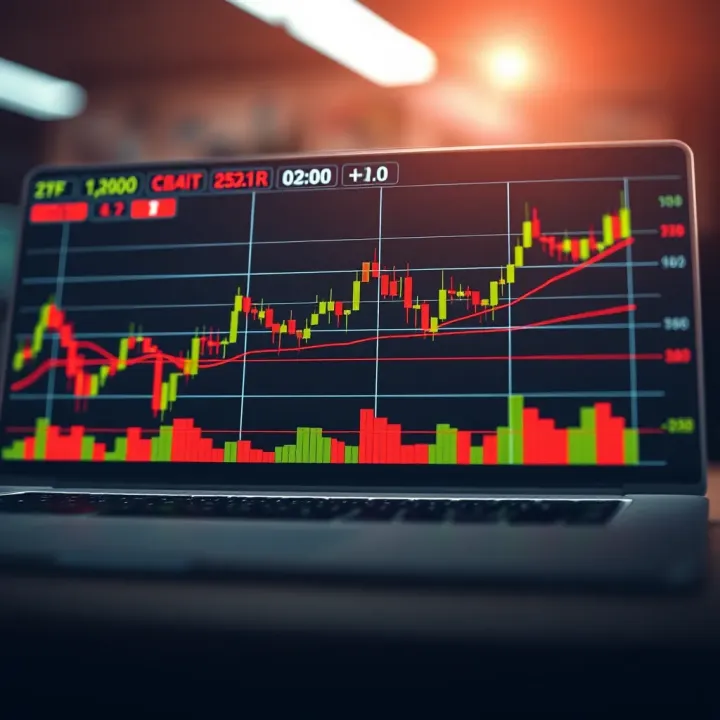
Trend continuation patterns, such as flags and pennants, which suggest that the existing price direction – up or down – will likely continue.
Reversal patterns, like head and shoulders or double tops/bottoms, indicating a possible change in trend direction.
Consolidation patterns, where prices move sideways within a range, signalling market indecision before a breakout.
Understanding these patterns is not about guessing but about reading the market’s behaviour and positioning your trades accordingly.
For Pakistani traders, practical application means combining pattern recognition with sound money management and an eye on local factors, such as import/export data, remittance flows, and government announcements. For example, if a double bottom forms near a support level around Rs 270 against the dollar, supported by positive economic news, it could be a signal to enter a long position.
Learning to spot these signals helps minimise risks in a market prone to sudden swings due to inflationary pressures or global commodity price shifts. This guide will walk you through identifying major patterns, understanding their significance, and applying them within Pakistan’s dynamic forex scene to make smarter trading decisions and protect your capital.
Forex trading patterns serve as visual cues on price charts, helping traders anticipate future currency movements. For Pakistani traders navigating the USD/PKR or other currency pairs, recognising these patterns can turn the tide between a successful trade and a missed opportunity. Instead of guessing market direction, patterns offer evidence-based insights drawn from previous price behaviour.
Forex trading patterns are recurring shapes or formations on price charts created by the movement of currency prices over time. They reflect the balance between buyers and sellers, often signalling potential reversals or continuations of trends. For example, a double bottom pattern on the USD/PKR chart might hint at an upcoming upward swing after a period of decline.
These patterns form a key part of technical analysis, which focuses on analysing historical price data rather than economic fundamentals. Traders use patterns to identify market sentiment and likely price directions. In Pakistan’s forex scene, where economic news can cause sudden shifts, technical patterns provide a systematic way to read the chart rather than react impulsively to headlines.
Patterns help traders predict whether prices will rise, fall, or continue sideways. For instance, an ascending triangle pattern often precedes a bullish breakout. Recognising such signals early allows traders to position themselves advantageously, especially in volatile markets like forex where timing can make or break a trade.
Spotting patterns assists in choosing the right moment to enter or exit trades. Instead of chasing the market or holding onto losing positions, traders can set entry points near pattern breakouts or breakdowns and place stop-loss orders beyond pattern boundaries. This strategy limits risk and locks in profit potential, which is vital for traders using leverage in the Pakistani market.
Understanding forex trading patterns is not about fortune-telling—it’s about interpreting market psychology through price action. For Pakistani traders, applying this knowledge systematically can improve consistency and confidence in trading decisions.
By focusing on clear trading patterns, you reduce guesswork and navigate forex markets with a sharper edge.
Understanding common forex trading patterns is essential for traders in Pakistan aiming to predict price movements accurately and improve timing for entries and exits. These patterns offer visual cues on price charts, helping traders anticipate whether a trend might continue or reverse. By recognising these repeated formations, traders can make informed decisions, reducing guesswork in the forex market.
The Head and Shoulders pattern signals a potential reversal from an uptrend to a downtrend. It consists of three peaks: a higher peak (head) flanked by two lower peaks (shoulders). For example, in USD/PKR trading, once this pattern forms, it might suggest the rupee will weaken against the dollar. Traders watch for the price breaking below the neckline—a support level connecting the two shoulders—to confirm the reversal.
This pattern is practical because it provides clear entry and stop-loss points. Once the neckline breaks, traders often enter short positions, placing stop losses just above the right shoulder. This way, they manage risk while capitalising on the anticipated trend change.
Double Top and Double Bottom patterns represent two failed attempts at breaking key support or resistance levels. A Double Top appears after an uptrend when price hits resistance twice but fails to break higher, indicating a likely drop. Conversely, a Double Bottom forms after a downtrend with price bouncing twice off support, signalling a potential rise.
For Pakistani traders in USD/PKR or EUR/PKR pairs, spotting these helps identify turning points in the market. For instance, if USD/PKR forms a double top near 280, a trader might prepare for a downward correction. Recognising these patterns early aids in setting strategic entries and exits, improving profit chances.

Less common but stronger in signal, Triple Top and Triple Bottom patterns involve three touches at resistance or support, respectively. They tend to validate the reversal more strongly than double patterns.
If USD/PKR tests the 285 resistance three times unsuccessfully, a trader may consider this a robust sell signal. Similarly, a triple bottom near 270 may urge traders to buy, anticipating the pair will climb.
Flags and pennants indicate short pauses before a trend continues. Flags appear as small rectangles tilted against the prevailing trend, whereas pennants look more like small symmetrical triangles.
When USD/PKR plunges sharply and then consolidates in a flag, it often continues its downward move. Traders can use these to enter trades with confidence after the pattern breaks out, setting stop losses just outside the consolidation zone.
Triangles, formed by converging trendlines, signal that price is reaching a decision point. There are three types: ascending, descending, and symmetrical triangles, each hinting toward continuation or reversal depending on breakout direction.
In forex pairs like USD/PKR, triangles help traders watch for breakouts amid market indecision. A breakout upwards from an ascending triangle likely continues the uptrend, while a breakdown from a descending triangle signals further declines.
Rectangles form when price moves sideways between support and resistance, reflecting a balance of supply and demand before the next big move.
For Pakistani forex traders, identifying rectangles helps spot consolidation zones. Trading the breakout or breakdown from a rectangle provides good risk-to-reward opportunities, especially when combined with other indicators.
Recognising these common patterns not only improves your trade timing but also strengthens your market analysis, vital for trading PKR currency pairs effectively.
Identifying and confirming trading patterns is a key skill for forex traders, especially when dealing with volatile currency pairs like USD/PKR. Correctly spotting these patterns allows traders to predict market movements more accurately and make informed decisions about when to enter or exit trades. Without confirmation, patterns might lead you astray, so pairing them with other tools reduces risk and improves your trading edge.
Candlestick charts display price movements through coloured bars, or "candlesticks," each representing a specific time period. They provide detailed information about opening, closing, high, and low prices in a visual format that’s easy to interpret at a glance. Pakistani traders often use these charts to spot setups like bullish or bearish engulfing patterns, hammer, or shooting star, which signal potential reversals or continuations.
For example, a bullish hammer appearing near a support level in the USD/PKR pair can suggest buyers are stepping in, signalling a possible price rise soon. These signals are especially useful during volatile trading hours when quick decisions are necessary. Candlestick patterns help you understand trader sentiment and market psychology without needing complex calculations.
Line charts connect closing prices over time with a simple line and provide a clear view of overall trends. While less detailed than candlesticks, they help spot major support and resistance levels and general price direction. Bar charts add more data, showing opening and closing prices along with highs and lows, which can enhance pattern recognition.
In practice, line charts are useful for novice traders to identify long-term trends in currency pairs like EUR/PKR, while bar charts serve more advanced analysis. Both chart types complement candlestick charts by giving a broader view of the market's behaviour over different time frames.
Moving averages smooth out price fluctuations by averaging prices over a set period, helping to identify trend direction. For Pakistani forex traders, using a simple moving average (SMA) or exponential moving average (EMA) confirms whether a detected pattern aligns with the broader trend.
Take an example where a head and shoulders pattern forms but the price remains above the 50-day EMA. This might suggest the reversal isn’t strong yet. Conversely, a confirmed cross below the moving average can turn the pattern into a reliable sell signal. Thus, moving averages filter false signals and improve trade timing.
RSI measures the speed and change of price movements to identify overbought or oversold conditions. When RSI crosses above 70, it suggests an asset might be overbought, primed for a pullback; below 30 indicates oversold conditions, possibly signaling a bounce.
For example, if a double bottom forms in USD/PKR and RSI is below 30, the chance of a strong upward reversal increases. Using RSI alongside patterns prevents entering trades where momentum is weak, helping manage risk and position size appropriately.
Volume indicates the number of trades executed during a time period and reflects market participation. In forex, volume data is less transparent than stock markets, but Pakistani traders can use tick volume (number of price changes) as a proxy.
Higher volume during a breakout from a triangle pattern confirms strength behind the move, making the pattern more trustworthy. Low volume breakouts are suspect and often fail. Monitoring volume alongside price patterns helps distinguish genuine moves from false signals, improving your overall strategy.
To sum up, combining price chart reading with technical indicators and volume analysis increases confidence in trading patterns. This multi-layered approach is especially valuable for Pakistani traders facing local market dynamics and currency volatility.
Recognising forex trading patterns is essential for Pakistani traders, especially when working with the Pakistani rupee (PKR) pairs. These patterns help traders make sense of price actions and anticipate movements amid local and global economic variables. The Pakistani market has its own unique behaviours influenced by economic policies, political events, and external pressures, which means applying forex trading patterns thoughtfully can improve trading accuracy.
The USD/PKR pair is among the most actively watched in Pakistan, reflecting not only global dollar trends but also domestic fiscal and monetary conditions. Traders can identify patterns like the double top formation after a spike in the dollar's value, which often signals a possible reversal due to government interventions or remittance inflows. For instance, after a sudden surge in the dollar due to import pressures, a flag pattern might develop, suggesting a continuation of the previous trend. Recognising these formations on charts helps traders time their entries and exits better.
Local occurrences such as changes in State Bank of Pakistan’s (SBP) policy rate, announcements on foreign loans or IMF programmes, and political developments can dramatically alter PKR pairs' behaviour. For example, a major policy rate hike often triggers a clear breakout pattern on USD/PKR charts, presenting both opportunities and risks. Traders integrating these events with technical patterns gain an edge, avoiding blind reliance on charts alone. Understanding how economic events influence price action enables proactive adjustments to trading strategies.
Using forex trading patterns to set stop loss and take profit levels strengthens risk control. For example, if a trader spots a triangle pattern indicating possible breakout direction, they can place stop loss just outside the pattern’s boundary to limit losses if the trade goes wrong. Similarly, take profit can be set near the expected price target based on the pattern’s measured move. This disciplined approach prevents emotional decisions and protects capital, which is crucial in volatile pairs like USD/PKR.
Leverage is tempting because it magnifies gains, but it also increases potential losses. Pakistani traders often access high leverage, but combining trading patterns with cautious leverage use helps preserve margin. For example, if a reversal pattern shows weak confirmation or local events create uncertainty, reducing leverage or avoiding large positions is wise. Being patient and using leverage carefully avoids margin calls or large drawdowns, ensuring traders stay in the market longer to benefit from more reliable set-ups.
Combining technical patterns with a strong risk management plan tailored to the Pakistani market gives traders a better chance of consistent profits amid currency fluctuations.
Applying forex trading patterns within the context of Pakistan’s economic and political environment sharpens trading decisions and limits exposure to unexpected shocks. Adjusting strategies with local insights and using strict stop loss and leverage controls can make the difference between gains and losses in the forex market.
Trading forex patterns effectively requires more than just recognising shapes on charts. Pakistani traders need practical strategies to navigate the market and avoid pitfalls that can erode profits quickly. Understanding what works and what doesn’t in real situations can save you from costly mistakes and boost your confidence in trading PKR and other currency pairs.
Patience is key when trading forex patterns. Jumping into trades too quickly can lead to losses, especially if you enter before a pattern is fully confirmed. For example, you might spot a head and shoulders pattern forming on USD/PKR but entering the trade before the neckline breaks could be premature. Discipline means sticking to your trading plan, even if the market tempts you otherwise — like chasing a trade during sudden volatility without clear signals.
In Pakistan’s volatile economic environment, where events like SBP announcements or political news can cause sharp currency moves, a disciplined approach helps you avoid emotional decisions. Consistently waiting for clear confirmations and setting realistic targets prevents rash trading and protects your capital.
Before risking real money, backtesting your strategies is essential. This means reviewing historical price data on currency pairs like USD/PKR or EUR/PKR to see how certain patterns performed in the past. Backtesting helps you understand pattern reliability and refine entry and exit points.
Practice on demo accounts offered by local brokers enables you to familiarise yourself with pattern recognition and trading order placement without financial risk. Repeated practice builds intuition and enhances your ability to spot genuine trading opportunities in live markets, reducing costly mistakes.
False breakouts happen when price briefly moves beyond a pattern boundary, like a triangle or flag, but then reverses direction. If traders blindly follow such moves, they may end up entering losing trades. For instance, in the PKR forex market, a sudden false breakout could occur following election news or central bank interventions.
To avoid this, always confirm breakouts with volume spikes or additional indicators like RSI. Watching for sustained movement beyond the breakout point before acting helps reduce losses from fake signals.
Relying solely on chart patterns without considering economic fundamentals is risky. Pakistan’s forex market responds strongly to factors like trade deficits, remittances, inflation rates, or international aid announcements. Even a textbook pattern might fail if a sudden event changes the market sentiment.
For example, a bullish pennant on USD/PKR can quickly dissolve if the SBP announces a surprise interest rate hike or if forex reserves dip unexpectedly. Combining fundamental analysis with pattern recognition gives you a clearer, more balanced view of likely price moves.
A trading strategy that blends patience, practice, and awareness of news stands better chances of success. Avoid rushing into trades and always double-check patterns against market realities.
Adopting these practical tips and steering clear of common errors will improve your forex pattern trading skills and help you navigate Pakistan’s unique market challenges with greater confidence.
📱 Looking for the best trading app in Pakistan? Discover features, security tips, costs, and local market insights to choose the right app for you. 💹
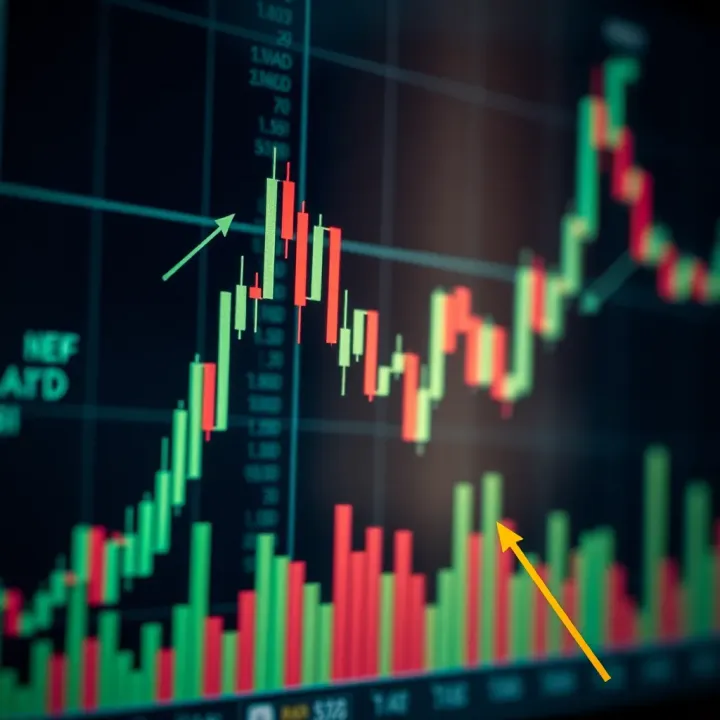
📉 Learn to spot bearish candlestick patterns and improve your trading game in Pakistan. Get practical tips for technical analysis and market insights.
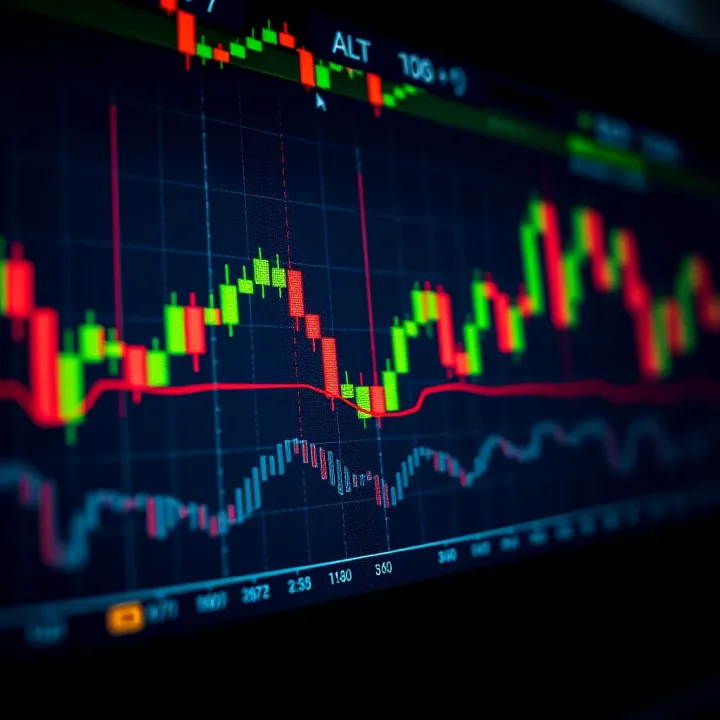
📊 Master candlestick patterns with our detailed guide! Learn key setups for stock trading plus get handy PDF resources to sharpen your skills today.

Find the best forex trading platform for Pakistani traders 🇵🇰. Learn about features, costs, regulations, usability & tools to make smarter trades! 💹
Based on 6 reviews