

Key Chart Patterns Every Trader Should Know
📊 Learn 7 key chart patterns for trading success! Spot trends, make informed trades, and boost your market confidence with practical tips and examples.
Edited By
Emily Reed
Chart patterns are a vital tool for traders and investors trying to read market behaviour through price movements. They offer a visual way to identify possible trends, reversals, or continuations without fully relying on complex indicators. In the fast-moving Karachi Stock Exchange (KSE) or Pakistan Mercantile Exchange (PMEX), recognising these patterns can give you an edge when entering or exiting trades.
These patterns form because of the collective psychology of market participants—fear, greed, uncertainty—which naturally reflects in price charts. Some shapes, like triangles or head and shoulders, frequently appear as prices oscillate within certain limits before making a decisive move.
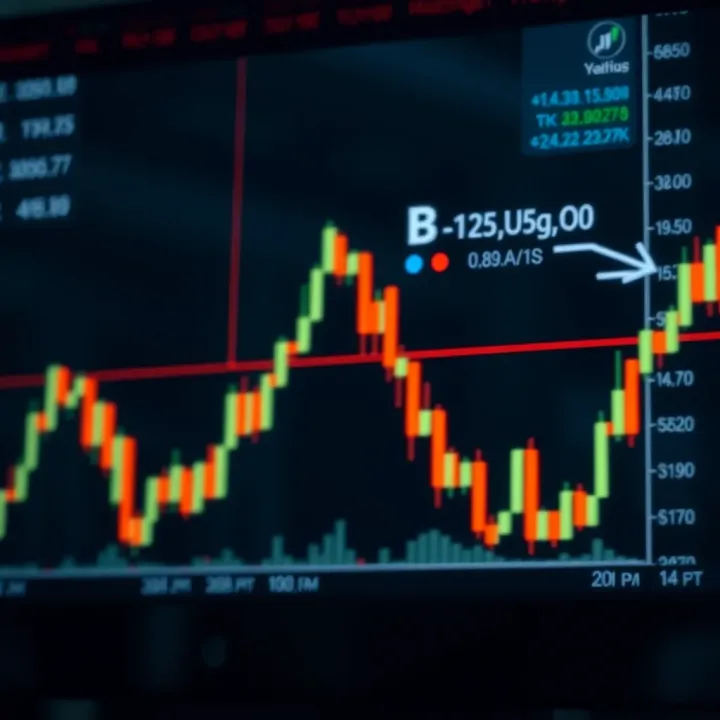
Understanding chart patterns is not about predicting exact prices but about spotting higher probability scenarios.
Here’s why paying attention to chart patterns benefits you:
Clarity: It helps highlight price behaviour visually, filtering noise from genuine directional signals.
Timing: Patterns can indicate the right moment to buy or sell, reducing guesswork.
Risk management: Stop-loss levels often become clear once a pattern forms.
For traders in Pakistan, integrating chart patterns with local market trends, seasonal effects like monsoon demand, or political developments adds practical insight.
You don’t need to depend on fancy software either. Even basic charting tools available through brokers like PSX’s online platform or mobile apps such as Daraz Securities can help track these movements.
In short, chart patterns are a straightforward yet powerful approach to technical analysis. They combine experience, market sense, and visual cues into one package. Mastering them boosts your confidence and sharpens your strategy amid Pakistan’s unique trading landscape.
Chart patterns play an essential role in helping traders make informed decisions by visually interpreting price data over time. These patterns provide hints about possible future market movements, giving traders a framework to anticipate when to enter or exit trades. For example, spotting a head and shoulders pattern on a Pakistan Stock Exchange (PSX) stock chart might indicate a forthcoming downtrend, allowing investors to manage risk proactively.
Understanding chart patterns is particularly useful in volatile markets like Pakistan’s, where price swings can be sudden due to economic announcements or geopolitical news. By recognising patterns, traders can get a sense of market sentiment—whether buyers are in control or sellers are gaining strength—which is crucial in timing trades effectively.
Chart patterns are specific formations created by the movements of an asset’s price on a chart over a certain period. These shapes emerge from the natural ebb and flow of trading activity and often signal potential continuation or reversal of price trends. For instance, a triangle pattern might suggest that the price is consolidating before making a decisive move upward or downward.
Their practical relevance stems from the fact that many traders monitor these patterns simultaneously, which adds to their predictive power. If enough traders spot a double bottom on a currency pair like PKR/USD, their collective trading actions could influence the price in the expected direction.
Chart patterns essentially mirror the collective psychology of market participants—fears, greed, uncertainty, and optimism. For example, a flag pattern forms when investors pause after a strong move, reflecting a temporary indecisiveness before continuing with the trend. This pause serves as a breather for traders to reassess and respond to fresh information.
When you see a pattern developing, it is often the visible outcome of buyers and sellers weighing each other, adjusting expectations in light of news or economic data. Understanding this helps traders avoid blind speculation, instead reading the chart as an ongoing conversation between market players.
Chart patterns directly relate to ongoing price trends by highlighting moments when the trend is likely to resume or reverse. They help simplify the complex price movements into recognisable shapes, making it easier to track strategy and make timely decisions. For example, continuation patterns like pennants suggest that an uptrend in the PSX is set to keep going after a brief pause.
These patterns also aid in defining entry and exit points with more confidence compared to just guessing based on raw price data. When trading a popular local stock such as HBL or engaging in currency speculation on PKR/USD, recognising patterns can narrow down when to commit capital.
Technical analysis depends heavily on chart patterns as a tool to forecast future price direction. Although no method is foolproof, patterns provide probabilities that traders use to plan their trades. Recognising a double top might warn an investor that the price is struggling to break resistance, hinting at a possible decline.
This predictive ability is why many traders combine patterns with other indicators like RSI (Relative Strength Index) or MACD (Moving Average Convergence Divergence) for greater assurance. In Pakistan’s active trading environment, using chart patterns alongside these tools improves the chances of staying ahead of unexpected moves caused by economic news or policy changes.
Reading chart patterns is like listening to the market’s language — once you understand it, you can better navigate its ups and downs with confidence.
In essence, mastering chart patterns gives traders a clearer edge, especially in markets as diverse and dynamic as Pakistan’s. This knowledge turns raw price numbers into actionable insights, helping you trade smarter, not just harder.

Recognising common chart patterns helps traders spot potential market movements and make timely decisions. These patterns show how price behaves under certain market conditions, reflecting ongoing trends or possible reversals. A clear grasp of these patterns lets you trade smarter, particularly in markets like Pakistan's where volatility can be high.
Flags and Pennants are short-term continuation patterns signalling a brief pause before the current trend resumes. A flag looks like a small rectangle slanting against the main trend, while a pennant resembles a small symmetrical triangle. For example, if a PSX stock like Hub Power shows a flag pattern after a strong upward move, it typically suggests the price will continue climbing once the pattern breaks out.
Triangles come in three types: ascending, descending, and symmetrical. Ascending triangles indicate bullish continuation, with a flat upper resistance and rising support. Descending triangles signal bearish continuation, having flat support and descending resistance. Symmetrical triangles, where both support and resistance trend towards each other, can break either way, making them bilateral. In the PKR/USD currency trading, symmetrical triangles often appear during consolidation, and a breakout provides clues on the next significant move.
The Head and Shoulders pattern marks a trend reversal. It features three peaks: a higher middle peak (head) sandwiched between two lower peaks (shoulders). This pattern often forecasts a shift from bullish to bearish. When seen in an equity like Lucky Cement, traders watch for a breakdown below the neckline to confirm selling pressure.
Double Tops and Double Bottoms are formed when the price hits a strong resistance or support level twice and fails to break it. A double top signals a potential downtrend, while a double bottom suggests a reversal to uptrend. These patterns offer clear entry and exit points, useful in managing risk.
Triple Tops and Triple Bottoms are less common but show stronger support or resistance zones by testing the same levels thrice. Their confirmation usually comes with a volume spike on breakout. Traders need patience and discipline to correctly interpret these slower-forming reversal signals.
Symmetrical Triangles serve as bilateral patterns that don’t predict direction outright but indicate consolidation. Traders wait for a decisive breakout above resistance or below support before acting. This pattern is handy in Pakistani markets where sudden news events can trigger swift directional moves post-consolidation.
Rectangles are formed when price moves within parallel resistance and support lines. They represent a balance between buyers and sellers before a breakout. Typical trading involves buying near support and selling near resistance, with breakout direction guiding larger trade positions.
Understanding these chart patterns not only improves entry and exit timing but also helps in managing risks by signalling potential price swings in advance.
By applying these patterns effectively, especially with local references like PSX stocks or PKR/USD pairs, you can navigate market ups and downs with more confidence and precision.
Recognising chart patterns accurately is key to effective trading. Patterns help signal potential price movements, but relying on them alone can lead to false conclusions. Confirming patterns with additional tools reduces risk and guides better entry or exit decisions. This section focuses on the core elements traders need to spot and verify chart patterns confidently.
Trendlines form the backbone of many chart patterns. They connect significant highs or lows on price charts, outlining shapes like triangles, flags, and head-and-shoulders. Spotting these shapes helps traders anticipate whether a trend will continue or reverse. For example, in an ascending triangle, a flat resistance line paired with rising lows often signals a likely breakout upwards.
Practically, drawing trendlines requires precision. Even minor deviations can change pattern interpretation, so it pays to zoom in and check multiple timeframes. Pakistani traders working with PSX stocks or forex pairs can use tools on platforms like MetaTrader or TradingView to trace these lines accurately.
Volume confirms the strength behind price moves within patterns. For instance, during a breakout from a rectangle or flag pattern, a surge in volume suggests genuine buying or selling interest. Without volume support, breakouts may be false and short-lived.
In Pakistan’s markets, where liquidity varies widely, volume deserves special attention. A breakout in a less liquid stock might look promising but lack the volume to sustain momentum. Traders should compare current volume levels to the stock’s average to judge pattern reliability.
Indicators like the Relative Strength Index (RSI) and Moving Average Convergence Divergence (MACD) help validate chart patterns by measuring momentum and trend strength. The RSI highlights overbought or oversold conditions, signalling if a price move might stall. MACD tracks shifts in price momentum, useful for delaying or confirming reversal patterns.
For example, if a head-and-shoulders pattern forms but the RSI is still below 70 with MACD showing a bearish crossover, the reversal signal gains credibility. Traders working in the Pakistani market can integrate these indicators alongside patterns to avoid chasing premature moves.
A crucial confirmation comes with the price moving beyond a pattern’s boundary—either breaking out above resistance or breaking down below support. This movement should ideally be backed by increased volume and confirmed by supporting indicators.
Entry after breakout requires careful timing. Jumping in too early can trap traders if the breakout turns false. Pakistani traders monitoring currency pairs like PKR/USD need to watch for decisive closes beyond the trendline before committing capital. This measured approach improves the odds of catching sustainable trends.
Careful identification and confirmation of chart patterns not only increase confidence but also help manage risks, especially in volatile or less liquid markets like Pakistan’s.
Using these components and tools together builds a solid foundation for leveraging chart patterns effectively in your trading strategy.
Chart patterns can be powerful tools when applied thoughtfully to the Pakistani market. Local investors and traders benefit because price movements in markets like the Pakistan Stock Exchange (PSX) and currency pairs such as PKR/USD often reflect unique economic and political factors. Understanding these patterns in the local context helps in making informed decisions, balancing both technical signals and the idiosyncrasies of our market.
PSX Stocks: The Pakistan Stock Exchange features a broad range of sectors from banking to energy. Chart patterns observed here, like head and shoulders or double tops, give signals about potential reversals or continuations. For example, an ascending triangle forming in stocks such as Oil & Gas Development Company (OGDC) could suggest a bullish break, especially when supported by rising volume. Traders need to consider event-driven volatility too, such as political developments or earnings seasons, which can disrupt typical patterns.
Unlike more liquid international markets, PSX stocks can sometimes show abrupt swings due to lower liquidity. Thus, confirming patterns with volume and other indicators becomes essential before placing trades. Pakistani traders often mix chart pattern analysis with fundamental data, such as quarterly results announced by companies like Lucky Cement or Habib Bank.
Currency Pairs like PKR/USD: The foreign exchange market for the Pakistani Rupee against the US Dollar is heavily influenced by macro events—trade deficits, remittances, and SBP interventions. Chart patterns like flags and pennants frequently appear in this paired currency’s charts, highlighting short-term pauses before stronger moves.
For instance, a breakout from a symmetrical triangle on PKR/USD might indicate a decisive move following SBP’s monetary policy announcements or geopolitical developments. Traders closely watch support and resistance lines shaped by these patterns to time currency forward contracts or spot market trades. However, due to intervention risks and government policies, it's vital to combine technical signals with news flow.
Market Volatility and Liquidity Issues: Pakistan's markets are prone to sudden price jumps and volatile swings because of relatively thin liquidity, especially in smaller stocks or during political uncertainty. This volatility can distort chart patterns or produce false breakouts, making straightforward technical analysis risky.
Traders should approach signals with caution and use tools like stop-loss orders more aggressively to protect against unexpected volatility. Volume confirmation becomes a key factor here; low volume breakouts on PSX stocks often fail or reverse later. Liquidity constraints also mean that entering or exiting positions quickly can be challenging without affecting prices.
Impact of Macroeconomic Factors: Pakistan's macroeconomic environment—such as inflation rates, fiscal policies, and foreign exchange reserves—often drives market sentiment beyond what technical patterns indicate. For instance, exchange rate pressures can override chart patterns in PKR/USD, with SBP's interventions immediately changing direction regardless of technical setups.
Similarly, major announcements like IMF programme updates, budget disclosures, or tax changes can rapidly shift investor behaviour on PSX stocks. Because of these external factors, relying solely on chart patterns without considering the broader economic picture leads to pitfalls. Successful traders combine technical analysis with a sound understanding of Pakistan's economic context to gauge risk better.
Applying chart patterns on Pakistani financial instruments requires blending technical insight with local market awareness. Ignoring factors like liquidity and macroeconomics often results in misleading signals.
In summary, chart patterns are useful tools for Pakistani traders, but they work best alongside careful assessment of market conditions and news events unique to Pakistan's financial markets.
Mastering chart patterns is only part of successful trading; combining them with strong practical strategies is what really makes a difference. Practical tips help traders apply these patterns effectively in real markets, especially in Pakistan's dynamic financial environment. Let's discuss ways to handle patterns alongside risk, and common pitfalls to avoid.
One of the first safeguards every trader must practice is setting stop-loss orders. This means deciding in advance the maximum loss you are willing to bear on a trade signaled by a chart pattern. For example, if you spot a bullish flag on a PSX stock like Engro Fertilizers, you might place a stop-loss just below the flag’s lower boundary. This protects your capital if the predicted breakout turns out false. Stop-losses not only limit losses but also relieve the stress of constant monitoring.
Besides stop-loss, position sizing plays a key role. Position size refers to how much capital you allocate to a single trade. If you risk too much on one play, even accurate pattern recognition won’t save your account from heavy damage. For instance, if your trading capital is Rs 1 million, risking 2% (Rs 20,000) per trade is a reasonable rule. You then calculate shares or lots accordingly based on entry price and stop-loss distance. This approach spreads your risk and extends your capacity to remain in the market longer.
A common error with chart patterns is misinterpretation. Traders sometimes jump the gun, mistaking noise for a confident setup. For example, confusing a small pullback in an uptrend for a reversal pattern can cause premature selling. To avoid this, confirm signals through volume trends or support from other indicators like RSI or MACD before acting. Relying only on pattern shape without context can lead to losses.
Another frequent slip is ignoring the broader market context. Chart patterns don’t exist in a vacuum—they react to news, government policies, economic indicators, and global factors. Say inflation rises sharply in Pakistan, making the central bank hike the policy rate. Even if a pattern points to a bullish trend in a banking stock, broader macroeconomic pressure might suppress gains. Always combine pattern analysis with an understanding of current market conditions to make smarter decisions.
Effective trading via chart patterns is about balancing pattern recognition with risk controls and market awareness. Without this balance, even the best patterns cannot guarantee profit.
In short, use stop-losses and sensible position sizes to protect your capital. Double-check pattern signals carefully and stay aware of wider economic or political shifts before making a move. This disciplined approach will pay off in more consistent results in Pakistan's markets.
📊 Learn 7 key chart patterns for trading success! Spot trends, make informed trades, and boost your market confidence with practical tips and examples.

📉 Learn to spot bearish candlestick patterns and improve your trading game in Pakistan. Get practical tips for technical analysis and market insights.
Learn how binary quotes work in financial trading 📊. Understand their impact on binary options & forex, plus tips to interpret quotes effectively before trading.

📊 Explore detailed chart patterns in trading with PDF resources. Enhance technical analysis skills for Pakistan traders & investors with this comprehensive guide.
Based on 9 reviews