

Candlestick Patterns Guide for Traders
📊 Explore a detailed guide on candlestick patterns for smarter trading decisions. Learn their meanings, types, and how to apply them in financial markets effectively.
Edited By
Amelia Foster
Trading in Pakistan's stock markets or forex arena isn't just about numbers; it's about reading the subtle signals the market throws at you daily. One powerful way to spot when the tide might be turning is through bearish candlestick patterns. These patterns give traders a visual clue that the sellers are gaining the upper hand, often hinting at a price drop ahead.
Understanding these patterns isn't reserved for just technical experts; any trader willing to sharpen their skills can make better decisions by recognizing these signs quickly. This article will walk you through the most common bearish candlestick formations, how to spot them on your charts, and practical ways to use this knowledge in your trading strategy.
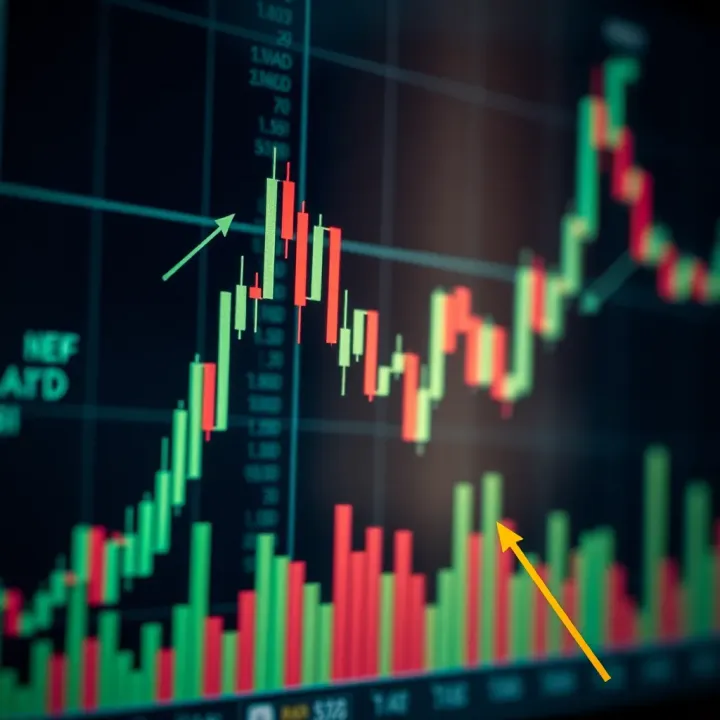
Remember, no pattern predicts the market with 100% certainty, but spotting bearish candlesticks can tilt the odds in your favour.
Whether you’re dealing with Pakistan Stock Exchange (PSX) shares, or diving into currency trading, getting comfortable with bearish candlestick patterns will help you time your entry and exit points more confidently. So let’s start by breaking down what these patterns are and why they matter in day-to-day trading decisions.
Understanding bearish candlestick patterns is a foundational skill for traders aiming to anticipate market downturns. These patterns offer clear visual signals on price charts that hint when sellers might be stepping in, causing prices to drop. In the chaotic world of trading, learning to spot these signals early can make the difference between locking in profits and taking losses.
For example, imagine you're watching the Pakistan Stock Exchange where a stock has been climbing steadily. Suddenly, a certain candle shape appears that traditionally signals a reversal. Recognizing that bearish pattern allows you to prepare, either by selling before the drop or adjusting your strategy to protect your capital.
This section gives a solid grounding in what bearish candlestick patterns are and why they're essential. By grasping these basics, traders can add a practical visual tool to their analysis toolkit, improving decision-making amid market fluctuations.
At their core, bearish candlestick patterns are specific arrangements of candlesticks on price charts that suggest a shift from rising prices to falling prices. Each candlestick represents price action within a chosen time frame, like one day or one hour, showing the opening, closing, high, and low prices.
Think of it like watching a crowd at a stadium: a bullish pattern is like fans cheering louder and louder, pushing prices up, while a bearish pattern signals that the crowd’s energy is dying down, possibly making way for the opponents. These patterns, such as the Bearish Engulfing or the Shooting Star, indicate when sellers have gained control, increasing the chance that prices will turn downward soon.
This basic understanding helps traders to quickly spot red flags on charts and decide when to reduce exposure or open short positions.
Bearish candlestick patterns play a crucial role in technical analysis by complementing other indicators like moving averages or RSI (Relative Strength Index). They provide direct, price-based clues about market sentiment shifts without waiting for lagging signals.
For instance, spotting a Dark Cloud Cover pattern right at a resistance level adds weight to the idea that a reversal is coming. It can prompt a trader to take profits or tighten stops.
By combining these patterns with volume data and trend analysis, traders can form a more complete picture, reducing guesswork. This role as a timely visual alert makes candlestick patterns a go-to tool in Pakistani markets where news flow or global influences can cause sudden moves.
Bearish patterns give early warnings that a price decline might be on the horizon. Since markets are often driven by emotions, these patterns reflect the shift in sentiment from optimism to caution or fear.
For example, during the 2020 market swings, many traders relied on bearish candlestick formations to exit positions ahead of sharp declines. On the Pakistan Stock Exchange, knowing when the tide may turn is especially valuable during volatile periods caused by political or economic news.
The patterns do not promise price drops but serve as signals to prepare or validate a trading decision. Being alert to these patterns can save traders from holding onto positions too long.
Recognizing bearish candlestick patterns affects how traders enter or exit trades. For instance, after spotting a Bearish Engulfing pattern, a trader might choose to exit a long position or enter a short trade, selecting tight stop-loss points to manage risk.
Some traders in Pakistan’s equity or forex markets incorporate these signals into algorithmic systems or combine them with fundamental news to refine timing. Others use them as part of a checklist before committing capital.
The patterns help adjust strategies dynamically—whether to be conservative by selling early or aggressive by shorting the asset. Proper use of these signals fosters a disciplined approach to managing trades, generally leading to better results over time.
Bearish candlestick patterns don't predict the future with certainty, but they give traders a meaningful edge by showing when selling pressure starts building up. Treat them as conversation starters with the market, not final decisions.
Understanding key bearish candlestick patterns gives traders a practical edge when anticipating a potential market downturn. These patterns signal a shift in market sentiment, often providing early warnings that sellers are starting to take control. For traders in the Pakistani market, where volatility can swing sharply on geopolitical and economic news, recognizing these patterns helps in timing trades more effectively and mitigating losses.
Each bearish pattern shows distinct price action clues. By studying how they form and what they imply about future price movement, traders can make better-informed decisions rather than relying on gut feelings. Now, let’s break down some of the most common bearish candlestick patterns you need to know.
A Bearish Engulfing pattern occurs over two trading sessions. The first candle is a smaller bullish (green or white) candle, followed by a larger bearish (red or black) candle that completely engulfs the body of the first. The key here is that the second candle’s real body must cover the previous candle’s body but not necessarily the wicks. This setup reflects a sudden surge in selling pressure after a period of buying, signaling a potential reversal from an uptrend.
In Pakistan’s equity markets, for example, a Bearish Engulfing pattern appearing near resistance levels on stocks like Pakistan Petroleum Limited (PPL) or Lucky Cement can hint traders to tighten stops or consider short positions.
This pattern suggests a shift from buyers to sellers, implying that prices could fall further. However, it’s wise to confirm it with volume or other indicators. High volume on the engulfing day strengthens the bearish signal, showing more conviction among sellers.
If you spot this pattern after a noticeable upward run, it often marks the beginning of a correction or downtrend. Traders can use this as a signal to exit long positions or enter short trades with stop losses placed above the engulfing candle’s high.
Dark Cloud Cover also spans two candles. The first is a strong bullish candle. The second opens above the high of the first candle but then closes below the midpoint of that first candle’s body. The key factor is the strong bearish close that darkens the “cloud” of optimism from the previous candle.
This pattern signals hesitation and bearish pressure following optimism. It’s easy to spot on charts due to the sharp reversal seen in that second candle.
When this appears right after a sustained rally, it warns that buyers are losing grip. Traders often interpret it as an early sign of trend reversal or at least a decent pullback. Combine this with resistance zones or declining volume on the first candle, and the setup becomes even more convincing.
For example, in Pakistan Stock Exchange indices like KSE-100, a Dark Cloud Cover after a multi-day rise may suggest some traders book profits, possibly leading to a short-lived decline or sideways movement.

The Evening Star is a three-candle formation:
A long bullish candle.
A small-bodied candle (could be bullish or bearish) that gaps up or is separated from the first.
A long bearish candle that closes deep into the first candle’s body.
The middle candle represents market indecision, while the third candle signals sellers stepping in with force.
This pattern is considered quite reliable especially when appearing at the peak of an uptrend. It reflects a shift from aggressive buying to selling. However, its trustworthiness increases when confirmed by other indicators like RSI dropping from overbought levels or bearish divergences.
In the context of Pakistan’s market, this pattern is a red flag to watch out for, particularly during periods of heightened political uncertainty or macroeconomic changes.
The Shooting Star looks like a star with a long upper wick, a small real body near the day’s low, and little or no lower wick. It usually appears after an uptrend. The long upper wick signals that buyers pushed price higher but sellers regained control and pushed prices back down by close.
This candle sends a blunt message that the bullish momentum is fading.
Shooting Stars are especially telling when they form near resistance levels or after a quick price spike. Low volume on the candle can reduce its significance, so traders often look for confirmation from the next candle moving lower or other bearish signs in momentum or volume.
In volatile Pakistani shares or commodities, a Shooting Star at the height of a rally might encourage traders to take profits or look for short-term short trades.
The Hanging Man is similar visually to the Hammer but occurs after an uptrend. It has a small real body at the upper end with a long lower shadow, and little or no upper shadow. This suggests despite buyers pushing prices up, selling pressure surfaced and dragged the price down significantly during the session.
Look closely at volume when a Hanging Man forms; high volume increases its credibility.
While the Hanging Man looks like a Hammer, it differs mainly in placement. A Hammer after a decline signals bullish reversal, but a Hanging Man after an uptrend warns of potential downside.
This subtle difference is crucial for interpretation. Without noticing the trend context, one might misread the signal.
Identifying and understanding these key bearish candlestick patterns is more than an academic exercise. It equips traders with a visual language to read market psychology and adjust their strategies accordingly, especially in markets like Pakistan where external surprises can quickly flip price trends.
By combining these patterns with other technical cues, traders stand a better chance of navigating the sometimes turbulent stock market effectively.
Bearish candlestick patterns don't exist in a vacuum—they make much more sense when you see them in the broader picture of what's happening in the market. Just spotting a bearish pattern like a shooting star or an evening star isn't enough to make a solid trading decision. It's important to take a step back and analyze these patterns within the overall market environment. This approach can help you avoid jumping the gun on false signals and gives more confidence that the price might actually fall.
For example, if the market's in a strong uptrend and you spot a bearish engulfing pattern, it might just be a momentary pullback rather than a full-on reversal. But if this pattern appears after a long uptrend near a known resistance level, that’s when it starts carrying weight. Context is king here and ignoring it can result in premature exits or missed opportunities.
Before placing a trade based on a bearish candlestick pattern, it's crucial to check the overall trend. Is the market trending upwards, sideways, or downwards? Trading against the main trend is risky, especially in volatile markets like those seen on the Pakistan Stock Exchange (PSX). For instance, during a strong upward rally in a stock like Pakistan Oilfields Limited, spotting a bearish pattern might mean just a small breather rather than a real reversal.
Traders should first confirm if the higher timeframes, such as daily or weekly charts, align with the bearish signal on a shorter timeframe. This multi-timeframe analysis helps filter out noise and adds conviction. Simply put, a bearish pattern in a downtrend likely means more downside, but the same pattern in an uptrend could just be a minor hiccup.
Volume and momentum are the secret sauce when confirming bearish signals. High selling volume accompanying a bearish candlestick pattern strengthens the chances of a down move. Conversely, if the volume is low, the pattern might lack the power to push the price down.
Momentum indicators like the Relative Strength Index (RSI) also add value here. For example, if an RSI is breaking below 50 around the time a hanging man appears on the chart, it suggests that the bears are gaining control. On the other hand, if RSI is still strong above 60, the bearish pattern might be premature.
In Pakistani markets, you frequently see volume spikes around key earnings announcements or political events, which can skew price action. Hence, volume should be interpreted alongside patterns to avoid being misled.
Support and resistance zones serve as natural checkpoints for price movements. When bearish candlestick patterns form near a significant resistance level, their reliability goes up. This is because the price has traditionally struggled to go beyond this point, so a bearish signal here often predicts a pullback or reversal.
For example, if a dark cloud cover pattern appears near a well-established resistance line on the PSX 100 index chart, it might hint at sellers stepping in. Traders could then consider short positions with tighter stop losses right above that resistance.
Conversely, spotting bearish patterns near strong support levels can be tricky. Prices might bounce back despite the bearish signal, so extra caution is needed.
Moving averages help smooth out price data and highlight trends. When a bearish candlestick pattern coincides with price crossing below a key moving average like the 50-day or 200-day, it adds weight to the selling pressure.
Similarly, the RSI, which measures the speed and change of price movements, can signal overbought or oversold conditions. If a bearish pattern forms when the RSI is above 70, indicating overbought status, it suggests a higher likelihood of reversal or pullback.
Combining these tools in tandem provides a clearer picture than relying on candlestick patterns alone. For instance, a bearish engulfing pattern on the Karachi Electric Supply Company (K-Electric) stock appearing with a break below the 50-day moving average and RSI dropping from overbought territory is a stronger sell signal.
Remember, technical analysis is like piecing together a puzzle—the more pieces that fit, the clearer the picture gets. By blending bearish candlestick patterns with trend analysis, volume, and other indicators, traders in Pakistan can make smarter, better-informed decisions.
In short, analyzing bearish patterns within the market context is key to distinguishing real signals from market noise and improving the chances of success.
When it comes to trading with bearish candlestick patterns, knowing the patterns is just half the battle. The real edge comes from how you apply this knowledge in live markets, especially in fast-moving environments like Pakistan’s stock market. Practical tips help traders not just spot potential declines but manage their trades with better precision and control.
Jumping in too soon or too late can cost you dearly. Usually, traders wait for confirmation after spotting a bearish candlestick pattern. For example, seeing a Bearish Engulfing pattern at the top of an upward move but entering immediately could be premature. It’s better to wait for the next candle to close below the engulfing candle's low to confirm selling pressure. This confirmation reduces the risk of acting on a false alarm.
Similarly, a Shooting Star pattern indicates a potential reversal, but waiting for a drop on the following session provides a safer entry. In essence, patience pays off — use the pattern as a signal, not a trigger.
Risk management goes hand in hand with entry timing. Setting a stop loss just above the high of the bearish pattern candle is a sensible approach. For instance, after a Dark Cloud Cover pattern appears, place the stop loss slightly above its high. This way, if the market reverses unexpectedly, the position will close before losses spiral.
In Pakistan’s volatile market, tight stop losses help protect your hard-earned capital. Avoid moving stops too close, though, as normal price fluctuations might trigger them prematurely. Find a balance depending on the asset’s volatility and your risk tolerance.
No matter how reliable a bearish pattern looks, allocating the right amount of capital matters most. Oversized positions mean huge losses if the trade goes south. Start with a small percent of your trading capital, often 1-2%, especially when testing new setups.
For example, if your trading account is PKR 100,000, risking PKR 1,000 to 2,000 per trade is a conservative way to manage risk. This discipline ensures that a string of losses won’t wipe you out, giving you breathing room for future opportunities.
Not every bearish pattern turns into a downtrend. Market noise and sudden news events can flip signals quickly. To avoid costly mistakes, combine candlestick patterns with volume and momentum indicators like RSI or MACD. If a bearish pattern forms but RSI is still above 50, the signal might be weak.
Also, check nearby support and resistance levels. For instance, a Hanging Man at a strong support zone might be less reliable, as buyers could still push prices up.
Remember: Treat bearish candlestick patterns as guides, not gospel. They work best when connected with other tools and a clear understanding of market context.
Following these practical tips will help you trade bearish patterns with more confidence and less guesswork, especially in Pakistan's unique market environment where volatility and sudden shifts are common.
Understanding bearish candlestick patterns is only half the battle. Many traders trip up by making avoidable errors that cost them dearly. Recognizing common mistakes and learning how to steer clear of them can save you from false signals and unnecessary losses, especially in markets as volatile as Pakistan’s. Let's dig into the most frequent pitfalls traders face and how to dodge them.
Sometimes, what looks like a bearish signal is just market noise—a fake-out rather than a genuine warning of decline. One classic example is mistaking a minor price wobble for a selling opportunity. This often happens during periods of low volume where price swings are exaggerated but lack follow-through.
Identifying false bearish signals starts with paying attention to the context. For instance, a single bearish engulfing candle after a strong uptrend doesn't guarantee a reversal; it needs to be backed up by volume spikes or confirmation from other indicators like the RSI dipping below 70. Pinpointing these nuances prevents jumping the gun prematurely.
Remember, not every red candle is a signal to sell. Watch the entire landscape, not just a single candle.
Alongside this, patience in confirmation is a virtue too many traders overlook. Instead of rushing to act on the first bearish pattern, wait for a second signal or a close below a support level. For example, after spotting a Dark Cloud Cover pattern, waiting for the next session to confirm downward momentum helps avoid being trapped by a false breakdown.
Candlestick patterns don’t exist in a vacuum. Market movers like geopolitical developments, economic announcements, or corporate earnings can completely invalidate or bolster a bearish signal.
Let's take fundamental news impact: Suppose a bearish Hanging Man appears on the chart of a Pakistani steel stock. If the government announces new infrastructure spending, the bearish pattern might lose its weight as fundamentals push prices higher. Ignoring such context can lead to costly misjudgments.
Similarly, market sentiment considerations play a huge role. In times of heightened fear—say during currency devaluation worries or political unrest—bearish patterns may trigger sharper declines. Conversely, bullish market sentiment can mute bearish signals, leading to a range-bound market instead of a sell-off.
Being mindful of these external influences alongside your analysis of candlestick patterns provides a clearer picture, enabling smarter trades.
Double-check if bearish patterns show consistent follow-through before trading.
Combine candlestick signals with volume and momentum indicators for confirmation.
Stay updated on relevant news, as it can override technical warnings.
Watch overall market mood; sometimes sentiment drives price more than patterns.
By being aware of these common mistakes, you’ll sharpen your edge and make the most of bearish candlestick insights without falling prey to false alarms or blind spots.
Wrapping up, bearish candlestick patterns offer valuable clues about potential market reversals or downtrends. However, their real strength lies not in solo reading but in their thoughtful integration into your broader trading framework. For traders in the Pakistani market, where sometimes volatility spikes on news or economic reports, relying narrowly on chart patterns alone can backfire.
Bearish candlestick patterns should be seen as helpful signals—not ironclad promises. For example, spotting a bearish engulfing pattern on a daily chart might suggest sellers gaining control, but it doesn’t guarantee an immediate crash. Other factors such as volume, market mood, or even upcoming earnings reports must be considered before making a move. Treat these patterns like a yellow traffic light: a warning to prepare, not an outright stop.
Mixing candlestick signals with additional technical indicators is a smart move. For example, if you see an evening star pattern forming near a known resistance level on the Pakistan Stock Exchange, and the Relative Strength Index (RSI) is in overbought territory, the chances of a downturn increase. Using moving averages alongside these patterns can further confirm trend shifts. This combined approach lowers risks and provides a clearer trading roadmap.
Experience and understanding deepen as you consistently study charts. Daily chart review helps you spot how bearish patterns respond in different scenarios — like during earnings season or political events here in Pakistan. Make it a habit to analyze past candles alongside current formations, noting both wins and losses. This active learning hones your pattern recognition skills and sharpens your intuition.
One of the safest ways to build confidence is to paper trade. Simulating trades based on bearish candlestick patterns without real money at stake lets you test strategies and see how patterns play out. Platforms like TradingView offer simulation modes that are great for Pakistani traders to practice without pressure. This practice prevents costly mistakes and teaches you when to trust patterns — and when to hold back.
Remember: Candlestick patterns are part of your toolkit — integrating them with patience, broader technical signals, and ongoing practice will serve you better than relying on them alone.
In sum, use bearish candlestick patterns wisely as indicators, keep testing your understanding, and always view your trades through multiple lenses. This approach will lead to smarter decisions and help you navigate the twists and turns of Pakistan’s financial markets more confidently.
📊 Explore a detailed guide on candlestick patterns for smarter trading decisions. Learn their meanings, types, and how to apply them in financial markets effectively.
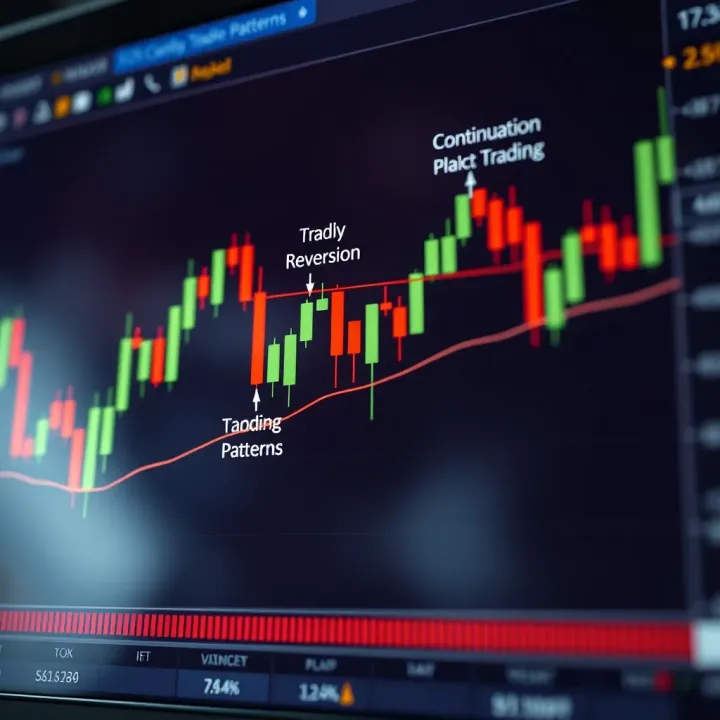
📈 Discover 35 key candlestick patterns in trading! Learn how to spot, understand, and use them with an easy PDF guide tailored for smarter market moves. 📊
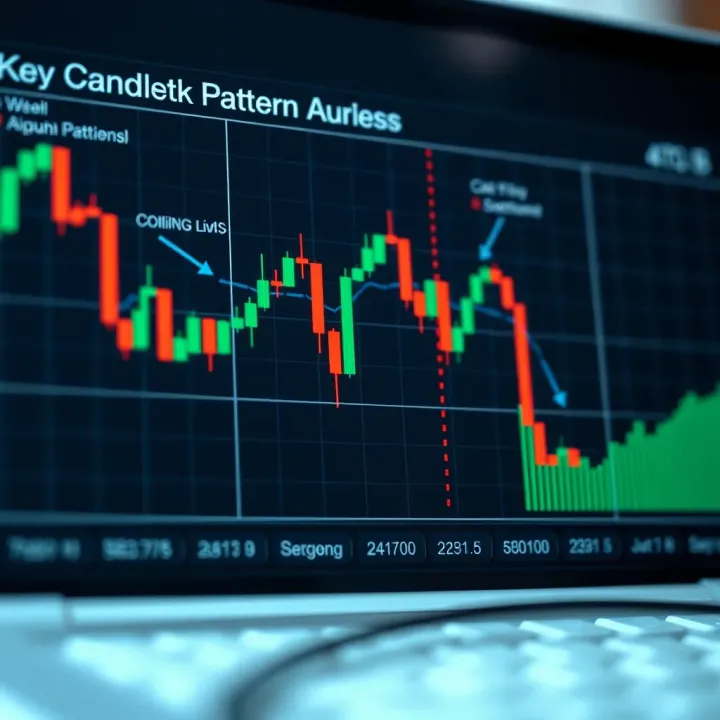
Master key candlestick patterns 📈 to improve trading decisions in Pakistan. Learn practical tips & download a PDF guide with 35 strong patterns today!
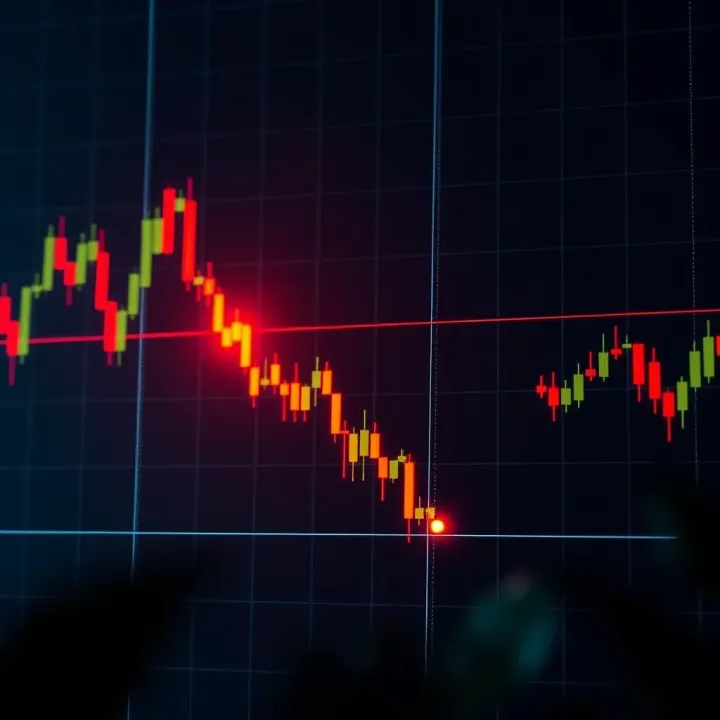
📉 Learn to spot bearish chart patterns in stock trading. Get practical tips and clear insights to identify downtrends and improve your trades effectively.
Based on 13 reviews