
Best Forex Trading Platforms for Pakistani Traders
Find the best forex trading platform for Pakistani traders 🇵🇰. Learn about features, costs, regulations, usability & tools to make smarter trades! 💹
Edited By
James Turner
Forex trading offers an opportunity to earn through currency exchange, but many Muslims worry if it fits within Islamic finance rules. Halal forex trading means conducting currency transactions without violating Shariah principles — mainly avoiding interest (riba), excessive uncertainty (gharar), and gambling (maysir).
Islamic finance forbids earning or paying interest, which presents a challenge for conventional forex where overnight swaps accrue interest. This is why many brokers now offer swap-free accounts to address this concern, eliminating interest charges on positions held overnight.
Besides riba, the concept of gharar warns against extreme uncertainty or ambiguity in contracts. Forex trading involves price fluctuations, but the key is to ensure transactions are done fairly, transparently, and involve actual currency delivery or settled within the same trading session. Some Islamic scholars permit spot forex trading if settled quickly to avoid deferred exchange risks.
To keep forex trading halal, one should avoid delayed settlements that may expose the trader to uncertainty or interest costs.
To illustrate, consider a trader in Karachi who uses a swap-free account from a reputable broker. The trader takes a position in USD/PKR, closes it within the same day, and avoids rollover interest. This approach helps ensure compliance with Shariah principles while still participating in the market.
Key points to watch for halal forex trading include:
No involvement in interest-bearing transactions
Spot trading or same-day settlements preferred
Avoidance of leverage that results in interest charges
Transparency in fees and contract terms
While some scholars debate aspects of forex trading, many agree that when performed with these safeguards, currency trading can align with Islamic ethics. Pakistani Muslims interested in forex should select brokers offering Shariah-compliant solutions and adopt trading styles that respect these principles.
This article will further explore how halal forex works, Islamic finance guidelines on currency exchange, and practical steps to help you trade confidently without compromising your faith.
Understanding the foundations of halal forex trading is essential for anyone who wants to engage in currency trading while respecting Islamic principles. This section clarifies key Islamic finance concepts, helping traders identify which forex practices align with Shariah laws. Pakistani traders benefit from knowing the boundaries between permissible and prohibited actions to avoid unintended violations when trading.
Halal transactions must be free of unfair elements and ethical breaches, ensuring fairness and justice for all parties involved. Finance dealings should avoid any form of exploitation or harm. For instance, trading must be based on actual ownership of the currencies exchanged — meaning the trade should occur on a spot or immediate basis rather than deferred.
This approach safeguards against unjust enrichment and ensures mutual consent. In Pakistani markets, where Islamic banking grows steadily, knowing these basics helps investors confidently choose halal investment routes, particularly in volatile forex markets.
Certain features of regular forex trading raise alarms under Islamic law. The use of leverage or margin, where traders borrow money to amplify their positions, often involves paying or earning interest, which is not permitted (riba). Additionally, holding positions beyond the trading day may incur swap charges or overnight interest, again conflicting with halal rules.
Some trades resemble gambling (maysir) due to excessive speculation without underlying economic activity. This speculative nature, combined with elements of uncertainty (gharar), often leads scholars to declare many forms of conventional forex trading as haram.
Riba, or interest, is strictly forbidden in Islam. In forex, it usually shows up as swap or rollover fees when a position is held overnight. This makes many ordinary accounts non-compliant. Traders who use swap-free accounts avoid this issue by removing overnight interest charges.
Gharar involves excessive uncertainty or ambiguity in contracts, common when trades rely on unclear terms or delayed settlements. Maysir means gambling, which applies if trading becomes a game of chance rather than a genuine exchange. These concerns underline the importance of transparent, clearly defined trades, especially in Pakistani forex setups where regulatory clarity is evolving.
Shariah emphasises justice, transparency, and prohibition of interest and speculation without real asset backing. Currency trading must respect these, focusing on spot transactions where ownership changes hands instantly. Delays or derivative contracts that increase uncertainty often fall outside halal practices.
In Pakistan, Islamic financial institutions stick strictly to these principles in their forex dealings. For retail traders, following suit means selecting brokers offering spot trading and swap-free accounts.
Earning through forex is halal when based on genuine buying and selling activities without interest or unethical speculation. Profit sharing, transaction fees, and commissions on legitimate trades are acceptable. On the flip side, gains accrued from interest or gambling-type speculation are impermissible.
Pakistani forex traders looking to remain halal should verify broker practices and ensure they avoid margin calls that embed interest payments, focusing instead on immediate settlement trades.
Ethics and transparency form the backbone of Islamic finance. Traders must keep clear records and enter agreements with full knowledge of terms. Hidden fees or unclear contract clauses breach Shariah. Transparency builds trust and reduces disputes, which is crucial in forex markets where rapid trades are common.
For Pakistani traders, using platforms that openly share all charges and abide by Islamic standards is vital. This not only ensures compliance but also safeguards investments against conflicts or legal issues.
Trading forex without understanding these foundations risks crossing halal boundaries. Staying informed protects your faith and your money.
By grasping these ground rules, investors and finance professionals in Pakistan can navigate the forex market confidently, aligning trading activities with Islamic values while pursuing profit.
Halal forex accounts are designed specifically for Muslim traders who want to engage in currency trading without violating Shariah principles. These accounts help overcome traditional barriers tied to interest (riba) and uncertainty (gharar), which are commonly linked to standard forex trading practices. Understanding how halal forex accounts function is essential for traders aiming to keep their investments both profitable and ethically compliant.
Swap-free accounts, often called Islamic accounts, do not charge or pay interest on overnight holdings. This makes them crucial for Muslim traders since earning or paying interest is not allowed in Islamic finance. For example, when a normal forex trade remains open beyond market hours, brokers usually apply a swap fee reflecting the interest rate differential between currencies. Swap-free accounts skip this, allowing traders to hold positions longer without worrying about interest transactions.
These accounts avoid riba by eliminating the element of interest altogether. Instead, brokers may charge a fixed commission or slightly adjust spreads to cover their costs. This system keeps trading aligned with Shariah laws and protects Muslim traders from unknowingly engaging in prohibited financial activities.
In Pakistan, many global and local brokers now offer swap-free accounts due to growing demand from Islamic investors. Platforms like FXTM and XM provide such options regularly. However, traders must verify the authenticity of these accounts since some brokers label accounts as 'Islamic' without strict adherence to principles. Internationally, swap-free accounts are also widespread in regions with significant Muslim populations, such as the Middle East and Southeast Asia.
Judging halal forex brokers involves more than just swap-free accounts. Traders should ensure brokers operate transparently, avoid unethical practices, and comply with Islamic financial standards. One key criterion is whether the broker is certified or reviewed by recognised Islamic finance boards or scholars. This certification indicates that the platform's services do not involve interest, excessive uncertainty, or forbidden earning methods.
Common features of Shariah-compliant services include clear trading rules, no hidden charges related to riba, and ethical customer support policies. For instance, brokers may provide clear disclosures on trade terms and restrict leverage limits, as high leverage can lead to gambling-like risk behaviour. Some platforms also include educational resources tailored to Islamic trading principles, helping users stay informed.
Non-compliance risks cover both financial and religious consequences. Trading on non-shariah-compliant platforms can result in profit from riba or involvement in speculative behaviour, which many scholars consider forbidden. Therefore, due diligence is vital. Traders should research brokers' reputations, check for user reviews, and confirm compliance certifications. Using trusted Pakistani financial forums or consultation with Islamic finance experts can help avoid unsuitable forex operators.
Choosing the right halal forex account doesn't just safeguard your money; it ensures your trading respects your faith’s core values while you explore the global currency markets.
Trading forex while staying true to halal principles requires conscious effort and clear strategies. Practical tips help Muslims avoid falling into practices prohibited by Shariah, ensuring their trading aligns with Islamic finance ethics. By adopting these measures, you not only safeguard your faith but also promote ethical, transparent trading.
Spot trading involves immediate exchange of currencies, which Islam generally permits because it avoids deferred payments and uncertainty. Unlike spot trading, leverage and margin allow you to control a larger position than your actual capital, often borrowing money from the broker. This borrowing typically involves interest (riba), which is forbidden in Islamic law.
For example, using a swap-free account lets Pakistani traders avoid overnight interest charges while still engaging in spot forex. Staying away from margin trading reduces exposure to interest and excessive risk, keeping trades halal-compliant.
Islam discourages excessive gharar (uncertainty) in transactions. Holding positions open for long periods increases exposure to market volatility and unpredictability. By keeping trades short—closing them within the same trading day or hours—you limit exposure to sudden shifts and unexpected charges.
Practically, many halal forex traders in Pakistan focus on day trading strategies to control risks and preserve halal status. This approach also helps avoid overnight swap fees, which may carry riba.
Islam forbids maysir (gambling), which involves high-risk speculation with uncertain outcomes. Forex trading must not turn into mere gambling by chasing unpredictable bets or relying heavily on luck.
Traders should base decisions on analysis and avoid impulsive trades. For instance, relying on solid technical indicators rather than guesswork reduces gambling behaviour and aligns trading with ethical principles.
Clear records of every trade are essential for transparency and accountability. Documenting entry price, exit price, trade time, and profits or losses creates a trustworthy trail.
Pakistani traders often use spreadsheets or trading journals to ensure accuracy. This habit supports compliance with halal rules by demonstrating intentional, responsible trading rather than haphazard speculation.
Transparency ensures all parties understand the transaction's nature, reducing suspicion or hidden risks. It aligns with Islamic emphasis on honesty and fairness.
Being transparent with brokers and partners prevents exploitation. For example, requesting clear contract terms before trading avoids confusion over charges or margin calls, reducing chances of non-compliance.
Platforms like some swap-free forex brokers available internationally and regionally cater to Pakistani traders mindful of Shariah standards. Likewise, digital wallets such as JazzCash and Easypaisa support transparent and straightforward fund transfers.
Using these local financial services helps traders maintain halal trading by ensuring clear fund flows without hidden charges or interest. This integration with Pakistan’s financial ecosystem reinforces adherence to Islamic principles in forex trading.
Practical halal forex trading is about vigilance and choosing the right tools. Avoiding forbidden elements through spot trading, short-term positions, and transparent records safeguards both your faith and finances.
Understanding common questions about halal forex trading is essential for anyone wanting to engage in currency trading without violating Islamic principles. Many traders miss out on this clarity and might unknowingly participate in practices considered haram. This section addresses widespread doubts surrounding forex, especially focusing on its permissibility and concerns about leverage and margin.
Different Islamic scholars hold varying opinions on this matter. Some scholars approve forex trading if it happens on a spot basis, meaning immediate delivery or settlement of the traded currencies. This aligns well with Shariah, avoiding delays that cause uncertainty or interest (riba). Others, however, warn against certain speculative aspects of forex which may cross into gambling territory.
The practical takeaway here is that traders should avoid deferred execution or transactions with excessive uncertainty. Islamic finance emphasises transactions backed by tangible exchange, so entering into deals where payment or delivery is not immediate can raise concerns.
Distinguishing halal from haram practices in forex involves examining how the trade is conducted. Halal trading occurs when currencies are exchanged outright, without borrowing funds or using interest-based loans, and without carrying positions overnight that accumulate interest (swap rates). Such practices respect Islamic prohibitions against riba and gharar (excessive uncertainty).
In contrast, haram forex trading often involves leverage or margin accounts that collect interest or encourage speculative bets resembling gambling. Many Pakistani brokers now offer swap-free or Islamic accounts to help traders comply with Shariah guidance.
Several recognised Islamic scholars and institutions have issued fatwas (religious rulings) on forex trading. For example, some fatwas permit forex trading when done in spot markets without interest or speculative risks, while others caution against it unless all Shariah conditions are met clearly. These rulings help Muslim traders navigate forex with confidence, provided they stick to compliant trading models.
Leverage raises halal concerns primarily because it involves borrowing money to increase trade size. Borrowed funds usually come with interest charges (riba), which Islam forbids. This makes high leverage problematic if the broker charges overnight fees or swaps that include interest.
Additionally, leveraged trading increases uncertainty and risk beyond what Shariah considers acceptable. Many scholars argue that excessive leverage resembles gambling, as traders take disproportionate risks for quick gains.
To trade without margin or with limited leverage, traders can opt for accounts specifically labelled as swap-free or Islamic accounts, offered by brokers in Pakistan and worldwide. These accounts avoid overnight interest charges, typically requiring full payment upfront and immediate settlement of trades.
Trading without leverage means risking only the capital you hold, which aligns better with halal trading ethics. It also reduces the chance of severe losses and helps keep trading within ethical boundaries.
Leverage affects both risk and profit potentials. Higher leverage magnifies gains but also amplifies losses, increasing exposure to market swings. For those focused on halal trading, moderate or no leverage maintains balance between profit goals and ethical risk.
Trading forex with Islamic principles means prioritising transparency, avoiding riba, and practising responsible risk management. Using swap-free accounts without high leverage offers a viable path for Pakistani traders wanting to follow Shariah guidelines while exploring currency markets.
The demand for halal forex trading is steadily rising, especially among Muslim traders in Pakistan and globally. This shift reflects growing financial awareness and a stronger desire to align investments with Islamic values. Understanding these trends is key for anyone interested in ethical currency trading that respects Shariah law. Looking ahead, several factors will shape this niche, including new platform offerings, regulatory changes, and technological advances.
Emerging brokers with halal offerings are changing the forex market in Pakistan by introducing accounts adhering strictly to Islamic finance principles. These brokers avoid interest (riba) through swap-free accounts and implement transparent policies to reduce elements of uncertainty (gharar). For instance, some Pakistani brokers now offer services tailored for Muslim traders, providing clear documentation on how they ensure compliance. This improves trust and opens forex trading to a wider, faith-conscious user base.
Increasing awareness among Pakistani traders has played a crucial role in the rise of halal forex trading. Many traders initially thought forex itself was haram, but education campaigns from Islamic scholars and fintech companies clarifying permissible practices have changed perspectives. Awareness sessions emphasise the importance of choosing compliant brokers and maintaining ethical trading habits. This shift is evident in the rising number of traders in Karachi and Lahore joining such platforms and discussing halal practices actively in online communities.
Governmental and regulatory perspectives on Islamic finance in forex are becoming more supportive in Pakistan. The Securities and Exchange Commission of Pakistan (SECP) alongside the State Bank of Pakistan (SBP) have gradually embraced Islamic finance frameworks in other sectors, and discussions about extending these principles to forex trading are underway. Regulators aim to protect investors by encouraging Shariah-compliant options and preventing unethical practices. While official rules for halal forex are still evolving, the direction is towards formal recognition and oversight, which benefits traders seeking compliant services.
The potential growth of halal forex trading worldwide is significant as Muslim populations increase and Islamic finance expands beyond traditional banking. Markets in the Middle East and Southeast Asia already show strong demand, but countries like Pakistan, Turkey, and Malaysia have emerging interest too. Global investors are also warming up to halal forex because it provides an alternative to speculative trading and offers products aligned with ethical investing principles.
Technology’s role in improving compliance cannot be overstated. Digital platforms now enable real-time monitoring of trades to ensure strict adherence to Shariah guidelines. Features like instant swap removal and automated record keeping help traders avoid forbidden transactions without manual intervention. Pakistani fintech firms are fast catching up by integrating these tools with local payment systems like Easypaisa and JazzCash, creating seamless halal forex experiences.
Lastly, investor interest from Islamic finance institutions is gaining momentum. Banks and investment funds operating under Islamic principles see halal forex trading as a viable pathway to diversify portfolios while complying with Shariah. Their involvement can bring more capital, improve liquidity, and encourage the development of new products. This backing adds credibility and may prompt mainstream financial players to consider halal forex as part of ethical investment frameworks.
The shift towards halal forex trading represents more than just religious compliance; it’s about building a transparent, ethical market that can appeal to a broad section of global investors.
In summary, the future of halal forex trading looks promising, with growing Pakistani participation, improved regulatory support, and global expansion fuelled by technology and institutional interest. Traders who stay informed and choose Shariah-compliant options will likely benefit from a more sustainable and principled forex experience.
Find the best forex trading platform for Pakistani traders 🇵🇰. Learn about features, costs, regulations, usability & tools to make smarter trades! 💹
Looking for the best forex trading broker in Pakistan? Learn to evaluate regulation, fees, platforms & customer support to trade smartly. 💹💼
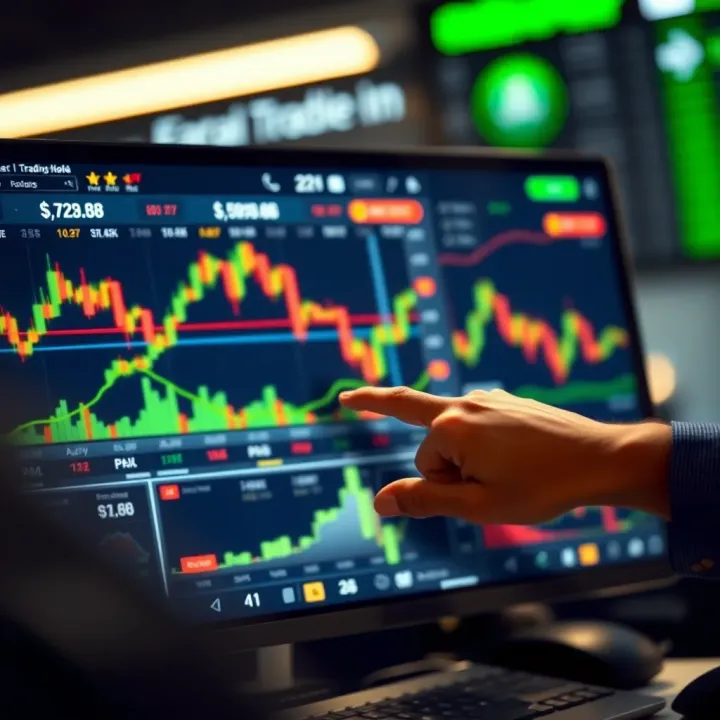
Discover key tips for Pakistani traders on choosing forex platforms 🌐 Compare fees, usability, currency options, and tools to fit your trading style ✔️
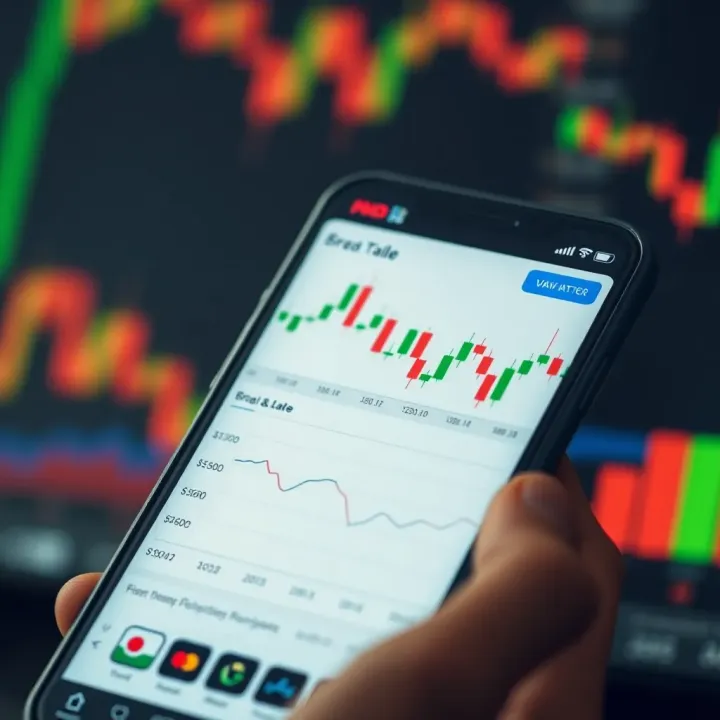
Discover the best forex trading apps in Pakistan 📈. Compare features, security, costs & usability to pick the perfect app for your trading needs!
Based on 11 reviews