

Understanding Binary Quotes in Trading
🔎 Learn how binary quotes work in trading binary options, their impact on market analysis, key strategies, and essential risks for Pakistani traders 📊💡
Edited By
Emily Parker
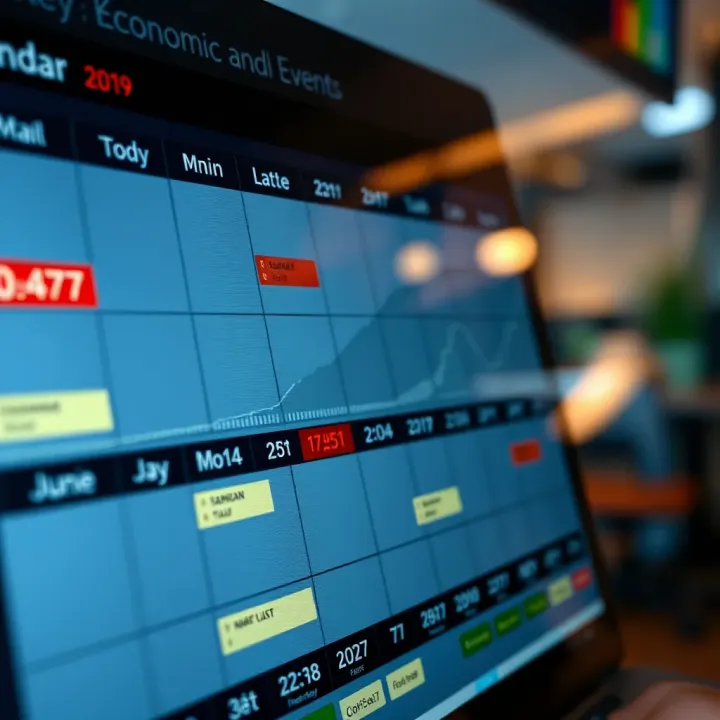
The US economic calendar charts upcoming economic data releases, policy announcements, and events that influence financial markets worldwide. For traders, investors, and finance professionals, understanding this calendar is vital because these events often drive rapid market movements. From employment figures to Federal Reserve meetings, each entry carries potential to shake currencies, equities, and commodities.
The calendar highlights various types of data, including:
Gross Domestic Product (GDP) reports
Non-Farm Payroll numbers
Inflation indices like the Consumer Price Index (CPI)
Central bank statements and interest rate decisions
Retail sales and manufacturing data
For example, a stronger-than-expected US jobs report typically boosts the US dollar and raises expectations of interest rate hikes. Pakistani investors, especially those involved in forex and equity markets, watch these signals closely as they influence the rupee's exchange rate and capital flows.
Monitoring the US economic calendar helps anticipate market reactions that can open or close profitable trading windows, making it an essential tool for calculated financial decision-making.
Accessing this calendar is straightforward through financial platforms such as Bloomberg, Investing.com, or Reuters, which display event times, actual versus forecast figures, and previous results. Given the US operates in Eastern Time, Pakistani market participants must convert the timings (PKT is UTC+5) to gauge the market's impact on their trading hours.
To use the calendar effectively:
Identify key events with a high impact label.
Understand the prevailing economic context before the release.
Compare actual results with market forecasts.
Observe how markets respond in real time for cues.
In essence, the US economic calendar offers a roadmap to market-moving events. Its proper use can strengthen investment strategies, mitigate risks, and improve timing on trades within both global and Pakistani financial markets.
The US economic calendar is a timetable that lists important financial and economic events scheduled throughout the year. Traders, investors, and analysts rely on it to track data releases such as employment reports, inflation numbers, and central bank decisions. These events often trigger significant market movements, so being aware of their timing helps market participants prepare and respond accordingly.
For example, the Non-Farm Payroll report, released on the first Friday of every month, can cause fluctuations in currency, stock, and bond markets. Understanding when such key data drops allows traders to manage risks and spot opportunities before price shifts occur.
At its core, the economic calendar organises the timing of various scheduled data releases and policy announcements. It acts as a reliable source for market participants to know exactly when these events happen, avoiding surprises. This timely information supports strategic decision-making, allowing traders to plan around expected volatility or adjust portfolios ahead of major updates.
Financial markets often react strongly to US economic data since the US economy influences global trade, investment, and finance. Investors watch these events closely to glean insights about economic health and potential policy changes. Likewise, policymakers utilise the data to assess economic conditions and adjust decisions accordingly. Therefore, the calendar serves as an essential tool for both private market actors and public institutions.
Knowing the schedule of US economic updates helps minimise losses from sudden market swings and maximises chances of capitalising on predictable movements.
The calendar features data covering broad economic performance indicators. GDP reports reveal growth rates, indicating whether the economy is expanding or slowing. Inflation measures such as the Consumer Price Index (CPI) and Producer Price Index (PPI) highlight price changes affecting consumers and businesses. Employment statistics, including Non-Farm Payroll numbers and the unemployment rate, shed light on labour market conditions. These releases influence investment flows and central bank policies.
Statements and decisions from the Federal Reserve, America’s central bank, also appear on the calendar. Interest rate changes, monetary policy updates, and press conferences provide clues about the Fed’s outlook on the economy and inflation. Markets react swiftly to these signals, especially in forex and bond sectors, because such policies affect borrowing costs and economic growth.
Reports on trade balances, imports and exports, and housing market indicators such as housing starts and building permits round out the calendar. Trade data gives insight into the country’s international commerce health, which can affect the dollar’s strength. Housing statistics reflect consumer confidence and future economic activity, impacting sectors linked to construction and real estate.
By keeping an eye on these diverse events, traders and investors can form a clearer picture of economic trends and adjust their strategies accordingly.

Understanding key economic indicators on the US economic calendar helps traders and investors anticipate market moves and adjust their strategies. These indicators provide a snapshot of the overall health of the US economy, influencing decisions in currencies, stocks, bonds, and commodities. Monitoring them closely is essential, especially for those dealing in forex or equity markets where volatility spikes around data releases.
GDP growth measures how much the economy has expanded or contracted over a specific period. It is a broad indicator showing the sum of all goods and services produced. Strong GDP growth often signals a healthy economy, boosting investor confidence. For example, a GDP increase exceeding market expectations may suggest increased corporate profits, higher consumer spending, and better job prospects.
GDP reports heavily impact the US dollar and stock prices. When growth beats forecasts, the dollar tends to strengthen against other currencies like the Pakistani rupee. This happens as investors expect higher interest rates or stronger returns. Conversely, weaker GDP data can prompt stock market sell-offs due to fears of slowing earnings growth or potential stimulus measures. Traders usually watch the GDP closely for signals about Federal Reserve monetary policy.
The Consumer Price Index (CPI) tracks changes in prices paid by consumers for goods and services. It directly reflects the cost of living and inflation pressures. For instance, rising CPI figures might prompt the US Federal Reserve to raise interest rates to curb inflation, affecting borrowing costs globally. Investors pay attention to CPI because high inflation erodes purchasing power and alters fixed income returns.
The Producer Price Index (PPI) shows price changes from the perspective of sellers or producers. It often acts as a leading indicator of future consumer inflation, as increasing production costs eventually pass on to consumers. A jump in PPI could mean manufacturers are facing higher input prices, signalling profit margin pressures or upcoming CPI increases. Market participants use PPI trends to gauge inflation momentum before consumer prices adjust.
Non-Farm Payrolls (NFP) report the number of new jobs created in the US, excluding farming and government sectors. NFP figures are vital because they reveal labour market strength and overall economic activity. For example, a higher than expected payroll count suggests businesses are expanding, which tends to boost the US dollar and equities. It's a highly watched figure with immediate market impact, often moving forex pairs and stock indices.
The unemployment rate indicates the percentage of people actively looking for work but unable to find jobs. Alongside, the labour force participation rate measures the proportion of working-age individuals engaged in the labour market. Lower unemployment and higher participation rate reflect a robust economy and increase consumer spending potential. Investors and policymakers use these numbers to assess the sustainability of economic growth. Sudden changes can lead to market swings as they alter expectations for future monetary policy.
Keeping an eye on these indicators from the US economic calendar allows traders and investors to better navigate market risks and opportunities, adapting quickly to new information as it becomes available.
The US economic calendar plays a central role for traders and investors who want to stay a step ahead in volatile markets. It helps them anticipate market moves triggered by economic data and policy announcements. Knowing when key reports like the non-farm payroll or Federal Reserve interest rate decisions are scheduled enables smarter risk management and better timing of trades.
Markets often experience significant volatility just before and after economic data releases. Traders sometimes see sharp price swings as investors react to better or worse-than-expected numbers. For example, a surprise rise in US inflation (Consumer Price Index) can cause the dollar to jump sharply against other currencies like the Pakistani Rupee. This volatility can make both gains and losses larger than usual.
Traders and investors must treat economic release days with caution, as unpredictable price moves may erode profits or sharply increase risk.
To avoid being caught off guard, many participants adopt strategies like scaling back positions or using stop-loss orders before major announcements. Some even refrain from trading during the release time itself to sidestep wild swings. Monitoring the economic calendar allows them to plan around these periods, reducing exposure to sudden shocks.
Short-term traders often use calendar insights to capitalise on immediate price moves following economic reports. For instance, day traders may enter positions minutes before the US jobs report drops, expecting increased volatility to trigger quick profits. Currency pairs, stock indices, and bond futures are particularly sensitive around these tight windows.
Meanwhile, long-term investors look at economic data to gauge trends shaping policy and growth prospects. Strong GDP growth might signal a healthy economy, encouraging portfolio rebalancing towards equities, while rising inflation could warn of tightening monetary policy, prompting caution. These investors integrate economic calendar insights with fundamental analysis to adjust their strategies over months or years.
By leveraging the US economic calendar, both traders and investors in Pakistan can improve decision-making, manage risks more effectively, and potentially achieve better returns despite global uncertainties.
US economic data holds real significance for Pakistani markets because it shapes currency values, investor sentiment, and trade conditions. Pakistan's economy is closely linked to the US through remittances, foreign investment, and currency trades. Understanding how American announcements influence these connections helps traders and investors make informed decisions.
Key economic releases in the US, such as interest rate announcements and employment figures, can trigger major shifts in the dollar’s strength. When US data points to a stronger economy, the demand for the US dollar often rises globally, including in Pakistan. This increases pressure on the Pakistani rupee (PKR), pushing it downward against the dollar. For example, a surprise hike in the US Federal Reserve policy rate typically causes immediate Pakistani rupee depreciation as importers and exporters adjust their dollar holdings.
This rising dollar demand directly affects Pakistan's foreign exchange reserves. The State Bank of Pakistan (SBP) may need to intervene by selling dollars from its reserves to stabilise the PKR. Prolonged periods of strong US economic performance, therefore, can strain forex reserves and complicate currency management policies.
Remittances from overseas Pakistanis form a lifeline for the local economy, contributing billions of dollars each year. US economic health influences these flows. When the US labour market is robust, Pakistani workers tend to send more money home thanks to better job security and earnings.
However, if US data signals slowdowns or rising unemployment, remittances might decline as Pakistani expatriates face fewer opportunities or wage cuts. This reduction can hurt Pakistan’s current account balance and slow economic growth momentum. Traders and analysts often watch US employment data closely for this reason, as any dip in remittances affects PKR liquidity and domestic demand.
Pakistani investors don’t operate in isolation; they react to global economic trends heavily influenced by US data. Positive US reports can boost stock market confidence worldwide, including Pakistan’s PSX (Pakistan Stock Exchange). For instance, strong US GDP growth or easing inflation often encourages foreign portfolio investment into Pakistan’s equities due to improved global risk appetite.
Conversely, weak US numbers or hawkish Fed policies may trigger sell-offs as investors pull capital back to safer US assets. This back-and-forth can cause short-term volatility but also sets the tone for longer-term market directions.
Trade and investment between Pakistan and the US, though not as large as with other countries, still responds to shifts driven by US economic data. For example, stronger US consumer spending may increase demand for Pakistani exports like textiles. Meanwhile, US policy tightening could reduce foreign direct investment (FDI) prospects from American companies into Pakistani sectors.
Moreover, changes in the US dollar affect the cost competitiveness of Pakistani goods abroad. Fluctuations driven by US economic announcements therefore ripple through commercial activity, affecting everything from exporters’ margins to import costs for businesses within Pakistan.
Tracking US economic data provides a practical edge for Pakistani market participants. Understanding these links helps manage risks and identify opportunities amid global financial currents.
Accessing the US economic calendar is vital for traders, investors, and finance professionals who want to stay ahead of market trends influenced by US economic data. This calendar provides scheduled dates for key reports and announcements, helping users anticipate market moves. Interpreting these events correctly ensures more informed decisions, reducing the chances of being caught off guard by sudden volatility.
Popular economic calendar websites offer real-time updates on upcoming US data releases. Websites like Investing.com, Bloomberg, and Forex Factory provide detailed schedules that include timing, previous data, forecasts, and actual results once released. These platforms present information in an organised manner, often with colour-coded indicators showing the potential market impact. Such clarity helps market participants prioritise which events to focus on.
Brokerages in Pakistan, such as those offering CFDs or forex trading, often integrate economic calendars directly within their trading platforms. These tools not only display the event schedules but also offer alerts and customised filters tailored to a trader’s preferences. Having this information inside the trading terminal allows for quick reactions without switching between sites, streamlining the trading process.
US economic data releases follow Eastern Time (ET), which converts to Pakistan Standard Time (PKT) by adding 9 to 10 hours depending on daylight saving adjustments. For example, the Non-Farm Payrolls report typically comes out at 8:30 am ET, which is 5:30 pm PKT during standard time. Knowing exact release times in PKT helps traders prepare and manage orders around these critical windows when volatility spikes.
Initial data releases often undergo revisions in later reports as more information becomes available or measurement methods improve. These revisions can occasionally shift market sentiment as they refine the economic narrative. For example, a GDP growth figure might be revised upwards or downwards weeks after the first announcement. Ignoring these revisions can lead to outdated or misguided strategies, so it’s crucial to track both initial and updated data for a full picture.
Marking your calendar with US economic release timings and following trusted sources allows you to tap into global market flows, ensuring that your investing or trading decisions are based on timely and accurate information.
By consistently referring to reliable economic calendars and understanding the nuances of data timing and revisions, Pakistani market participants can navigate global financial shifts more confidently and strategically.
🔎 Learn how binary quotes work in trading binary options, their impact on market analysis, key strategies, and essential risks for Pakistani traders 📊💡

📘 Learn about binary relations with clear examples, types, and everyday applications in math and computer science, tailored for curious minds in Pakistan.
📱Discover how to pick the best stock trading app in Pakistan by comparing features, checking security, and getting tips for a smoother trading experience.📈

Learn how to add binary numbers step-by-step 🧮, handle carries, and troubleshoot errors with clear examples – perfect for students and professionals.
Based on 13 reviews