
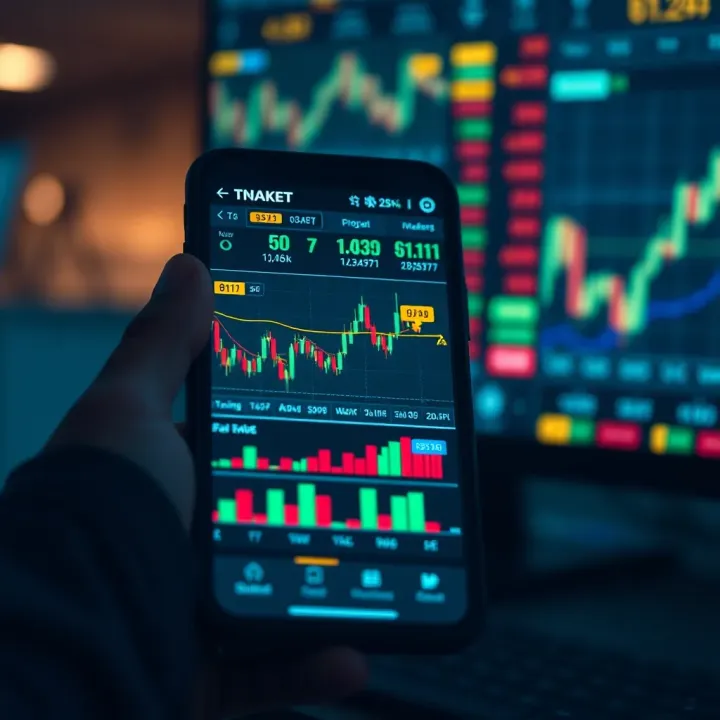
Best Trading Apps for Pakistani Investors
📱 Looking for the best trading app in Pakistan? Discover features, security tips, costs, and local market insights to choose the right app for you. 💹
Edited By
Daniel Foster
Demo trading apps have become an essential tool for many Pakistani traders starting their journey in stock or forex markets. These apps simulate real trading without involving any actual money, allowing you to practise buying and selling financial assets in a risk-free setting.
Using a demo trading app means you get access to live market data and realistic trading conditions. This helps you understand how market movements affect your trades without the pressure of losing real money, which can be especially useful if you are new to trading.
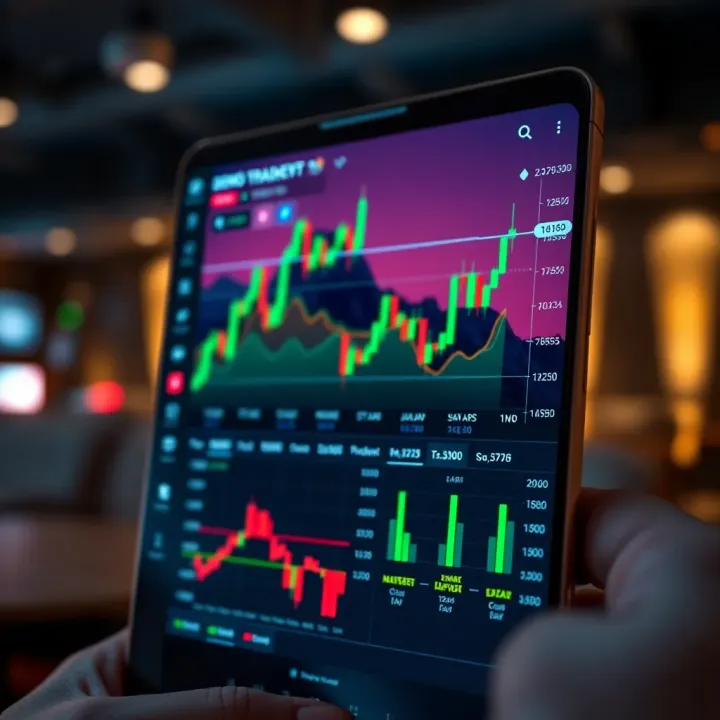
Typically, demo accounts are provided by brokers or financial platforms such as PSX members or forex trading companies. You get a set amount of virtual funds—often Rs 1 million or more—to experiment with trading strategies, timings, and order types like market orders, limit orders, or stop-loss orders.
Demo trading is like a flight simulator for pilots: it prepares you to manage actual markets calmly and confidently without risking your capital.
Here are some clear benefits of demo trading apps for Pakistani traders:
Learn to read and analyse candlestick charts, volumes, and indicators
Test different trading styles such as day trading or swing trading
Understand the impact of leverage without facing margin calls
Practice reacting swiftly to market news or economic events
However, it is crucial to treat demo trading seriously. Resist the temptation to trade recklessly since fake money may lead to unrealistic habits. Instead, try to treat your virtual capital as real to develop good discipline.
In Pakistan, popular brokers often offer demo accounts alongside their live platforms, including those offering access to the Pakistan Stock Exchange (PSX) or international forex marketplaces. Familiarity with these demo tools can reduce the steep learning curve faced by many newcomers.
To get started, you usually need to download the app or register for an online demo account using your CNIC or email. From there, you can enter the virtual trading floor and explore without time limits.
In short, demo trading apps provide a safe environment to build your market skills and confidence before putting your hard-earned money at risk.
Demo trading apps offer a risk-free platform where Pakistani traders can practise buying and selling stocks, forex, or other assets without using real money. These apps simulate real market conditions and transactions, allowing users to develop their trading skills and strategies without worrying about losses. For someone new to trading in Pakistan's volatile market or even seasoned investors looking to test new approaches, demo apps provide a valuable training ground.
A demo trading app mimics real financial markets using virtual money. It displays live or slightly delayed market data reflecting actual price movements, giving a real-time feel. For example, if the Pakistan Stock Exchange (PSX) index moves, the app reflects this change so traders can place virtual trades and see how they would have performed in real life. This simulation helps users understand market dynamics, order placement, and risk management without risking their Rs.
The main difference lies in the money used and trade execution consequences. While live trading apps handle real money transactions, demo apps work entirely with virtual funds. Pakistani users won’t lose or gain anything financially but still experience order types, chart analysis, and market data. Live apps may have delays, slippage, or liquidity issues absent or less noticeable in demos, so traders should keep this in mind when switching to live trading.
For beginners in Pakistan's market, demo apps serve as a classroom where mistakes don’t cost a penny. One can practise buying shares of companies like Pakistan Petroleum or foreign currency pairs like USD/PKR repeatedly to build confidence. This environment helps overcome initial hesitance and gradually understand trading basics like stop loss, leverage, and margin calls.
Experienced traders use these apps to trial new strategies under real market conditions before committing actual funds. For instance, a trader might trial scalping techniques during volatile sessions or backtest algorithmic trading strategies without financial exposure. This testing allows refining tactics, spotting potential flaws, and better understanding how economic events or SBP policy changes impact markets.
Demo trading apps bridge the gap between theory and practice, making them indispensable tools for any Pakistani trader aiming to improve skills while managing risk effectively.
By familiarising with these tools, Pakistani traders get a solid foundation and reduce costly errors once they enter live markets.

Demo trading apps are designed to mirror real trading conditions while letting you practice without putting actual money on the line. Their key features bridge the gap between learning trading basics and applying them practically, making them essential tools for Pakistani traders keen on understanding markets safely.
Most demo apps provide virtual money—essentially a fake balance you use to place trades. This virtual fund mimics real money well enough for you to experiment, learn trade management, and test strategies without risks. For example, a trader in Lahore can try buying and selling forex pairs or PSX shares with Rs 1 million in virtual money to grasp how price movements affect gains and losses.
The market data in demo apps is either real-time or slightly delayed to imitate live markets. Real-time data lets you experience quick price changes, while delayed feeds give more breathing room for analysis. Apps like MetaTrader 4 offer near real-time data for forex pairs, enabling Pakistani users to practice fast decisions just like in live trading. This simulation is vital because market conditions directly influence trading success.
Replayable, detailed charts and technical indicators are standard in demo apps. Pakistani traders can use candlestick charts, moving averages, or RSI indicators to analyse price trends visually. This hands-on access helps you build technical skills, just as you would on live platforms like TradingView.
Order types such as market, limit, and stop orders are also available, allowing you to understand different ways to enter or exit trades. Execution speed in a demo environment is generally fast but might not fully match live market latency. Recognising these differences helps set realistic expectations when you shift to real trading.
Many demo platforms include tutorials and guides tailored to new and intermediate traders. These resources break down complex trading concepts into digestible lessons, useful for Pakistani users who want straightforward explanations—for instance, how leverage works or understanding margin calls.
Practice exercises and challenges within the apps push traders to apply what they've learned. A challenge might be to grow a virtual portfolio by 10% within a month using specific strategies. Such tasks keep learning interactive and help solidify good trading habits even before risking real money.
Using these features effectively can significantly shorten the learning curve, making the transition from demo to live trading smoother for Pakistani traders.
This practical blend of virtual funds, market data simulation, user-friendly interfaces, and education makes demo trading apps an invaluable step for anyone stepping into the Pakistani stock or forex markets.
Using demo trading apps properly can make a big difference between just dabbling and actually preparing yourself for real trading in Pakistan’s stock or forex markets. These apps offer a playground where you can familiarise yourself with market mechanics, test strategies, and build confidence before risking your own PKR. However, effectively using them requires a clear approach—from picking the right app to knowing when and how to switch to live trading.
Choosing the right app for your goals means understanding what you want to achieve. If you’re a beginner focusing on forex, MetaTrader 4 or 5 is popular for offering realistic price feeds, lots of educational materials, and easy navigation. Alternatively, if you want to explore equities or want better charting tools, apps like TradingView or broker-specific platforms might suit you better. The key is to pick an app that matches your trading interests, whether it’s intraday, swing trading, or long-term investing.
Once you choose the app, account registration and funding virtual balance comes next. Signing up usually involves filling out basic details and setting preferences. Most apps provide a virtual balance—often between $10,000 and $100,000—which you can use for simulated trades. This virtual money lets you practise without worrying about losses. Always check whether the virtual funds can be reset or topped up so you can keep practising if you wipe out your balance.
A major advantage of demo trading apps is experimenting without financial pressure. You can try out different strategies—like scalping, breakout trading, or using stop-loss orders—without the stress of losing actual money. This freedom encourages learning by trial and error. For example, a trader in Karachi might use the app to test buying rupee/dollar pairs during various market events like SBP announcements to see how volatility affects prices.
To improve further, tracking performance and errors is crucial. Good demo apps offer trade history and performance reports. Use these to analyze which strategies worked, how often mistakes happened, and where you lost virtual money unnecessarily. This practice sharpens your decision-making and risk management before you go live.
The step from demo to real trading is often underestimated because recognising differences in psychology and execution matters a lot. Real money triggers emotions like fear and greed, which don’t show up with virtual cash. Execution speed and liquidity can also differ in live markets, affecting order fills and slippage, which demo apps may not perfectly simulate.
Before trading for real, setting limits and preparing for live risk helps manage your exposure. This means deciding in advance how much capital you’re willing to risk per trade or in a day. Platforms like MT5 let you set stop-loss alerts and risk thresholds. Pakistani traders should start small, perhaps risking only Rs 1,000–Rs 5,000 to get used to the pressure without severe financial impact.
The main takeaway is to treat demo trading as more than practice—it’s a foundation. Using demo apps effectively involves thoughtful setup, serious strategy testing, honest performance review, and a cautious shift to live markets. This approach helps build knowledge and confidence, critical for success in Pakistan’s sometimes volatile trading environment.
Demo trading apps provide Pakistani traders with a valuable space to explore financial markets without risking real money. However, understanding their advantages and limitations helps users make the most of these platforms while preparing for live trading. Here we examine practical benefits for Pakistani traders and challenges they should keep in mind.
Demo trading apps allow users to place trades using virtual money, letting them get comfortable with market dynamics and trading operations. This can be especially helpful for first-time traders in Pakistan who might feel hesitant about risking their hard-earned savings. For example, a trader in Lahore can practise buying and selling stocks during Pakistan Stock Exchange (PSX) sessions without worrying about losing Rs 50,000. This practice helps reduce anxiety by familiarising traders with processes like order placement, stop losses, and profit-taking before committing real PKR.
Alongside reducing fear, demo trading builds important muscle memory. Over time, users develop a routine for analysing charts and making decisions, creating the basis for better discipline when they switch to actual accounts. This preparatory step often means that newcomers make fewer costly errors once live trading starts.
Although many demo apps rely on global data, some platforms provide simulated access to local market instruments like PSX equities or forex pairs involving PKR. This helps traders appreciate price patterns influenced by Pakistan-specific factors such as political events, economic reports from the State Bank of Pakistan (SBP), or seasonal trends.
For instance, Pakistani traders can simulate trading during events like the announcement of SBP’s policy rate changes or Eid shopping seasons when market volumes often fluctuate. Understanding how such local events affect liquidity and price volatility is crucial for effective risk management. Practicing in a demo environment with this context sharpens traders’ ability to react wisely when real money is on the line.
One major limitation of demo trading is the absence of real financial risk. While this is initially an advantage, it also means traders don't experience the psychological pressure that comes with risking their own money. Emotions such as fear, greed, or the adrenaline of potentially losing hard-earned PKR don’t come into play.
This emotional gap can lead to unrealistic behaviour—taking bigger risks or ignoring prudent money management—because the virtual losses do not affect the user’s pocket. When transitioning to live accounts, some traders find they struggle to maintain the same discipline, leading to mistakes caused by overtrading or panic selling.
Demo trading platforms often do not fully replicate the real market conditions related to order execution speeds and liquidity availability. In Pakistan, market liquidity varies widely depending on the asset and timing, especially in PSX shares or forex markets involving the rupee.
For example, a demo app might execute a buy or sell order instantly, but in live trading, there could be delays due to network issues, slower broker response, or insufficient market depth. This gap means the price at which an order executes may differ in live conditions, affecting potential profits or losses. Traders should be aware that demo environments simplify these dynamics, so practising patience and maintaining realistic expectations during the transition is essential.
While demo trading apps are powerful learning tools, recognising their limits improves preparation and reduces surprises when stepping into real markets.
By balancing the benefits with an understanding of the drawbacks, Pakistani traders can better navigate the path from practice to professional trading.
Demo trading apps give Pakistani traders a valuable chance to practise market skills without risking real money. Knowing which apps are popular and reliable in Pakistan helps traders pick platforms that match their needs and provide realistic simulations. Many apps cover forex and stock markets, with varying features tailored to beginners and experts alike.
MetaTrader 4 and 5 stand out as two of the most widely used trading platforms globally, including here in Pakistan. These apps offer demo accounts where you can trade forex, indices, and commodities using virtual money. MetaTrader 4 remains favoured for its simplicity and abundance of indicators, while MetaTrader 5 adds extra asset classes like stocks and futures along with enhanced charting tools. Pakistani traders often use these platforms to practise their strategies or test automated trading Expert Advisors (EAs) without any financial risk.
TradingView is another highly popular tool, especially among stock and forex traders in Pakistan. Unlike MetaTrader, TradingView focuses on charting, analysis, and social networking rather than direct trade executions. Its free demo features let users experiment with technical indicators and drawing tools in real market conditions. Many traders appreciate TradingView for its clean interface and the access it provides to international markets alongside Pakistani stocks when paired with broker feeds.
Broker-specific apps with demo features are becoming more common as local and international brokers aim to attract Pakistani clients. Apps from brokers like IG, eToro, and interactive brokers offer demo accounts to get familiar with their platform and trading conditions. These apps often include Pakistan-specific features, such as local deposit methods through JazzCash or Easypaisa and Pakistani market instruments. They also let traders test order execution speeds and spreads, which can vary widely between brokers.
Regulation and security should be the first consideration. Demo apps connected to brokers regulated by recognised authorities (like the Securities and Exchange Commission of Pakistan or international bodies) help ensure your data remains safe and that the trading environment mimics real market conditions closely. Apps without proper licensing may offer unrealistic spreads, delayed data, or even misuse your information, which is risky.
User experience and community support matter a lot, too. A demo app with a clear interface, responsive customer service, and active user forums helps you learn faster and resolve issues easily. Pakistani traders often benefit from platforms where there is an engaged local community, offering advice and sharing strategies. Besides, apps that run smoothly on low-end mobiles common in Pakistan ensure everyone can access realistic practice, regardless of device.
Choosing the right demo trading app involves balancing security, ease of use, and realistic market simulation. For Pakistani traders, this means picking platforms that match their market interests and offer localised support where possible.
In summary, popular demo trading apps like MetaTrader 4/5, TradingView, and broker-specific platforms provide excellent tools for Pakistani traders to develop skills safely. Prioritising regulated apps with good user experience will ensure practice sessions lead to confident real trading later on.
📱 Looking for the best trading app in Pakistan? Discover features, security tips, costs, and local market insights to choose the right app for you. 💹
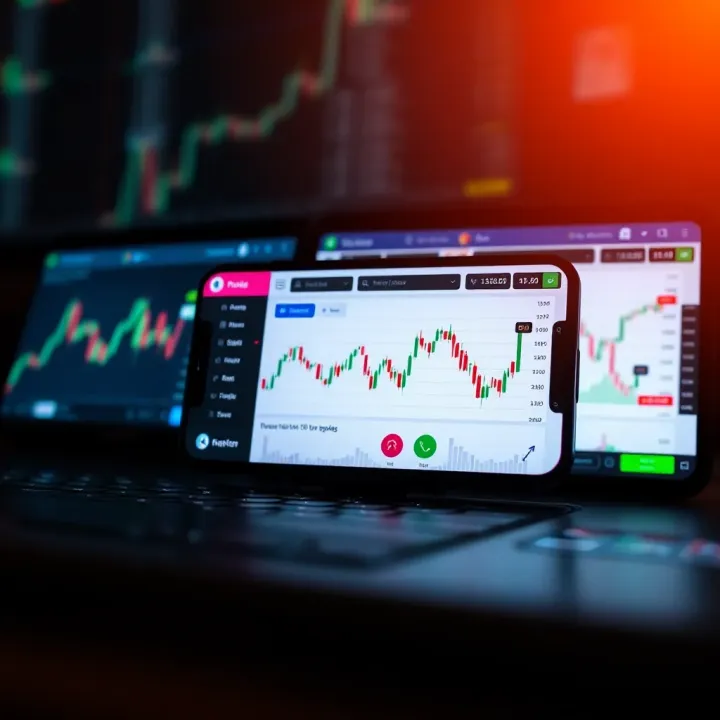
Explore top trading apps in Pakistan 📱! Compare features, security 🔒, costs 💰, and get expert tips for safe investing. Perfect for beginners & pros.
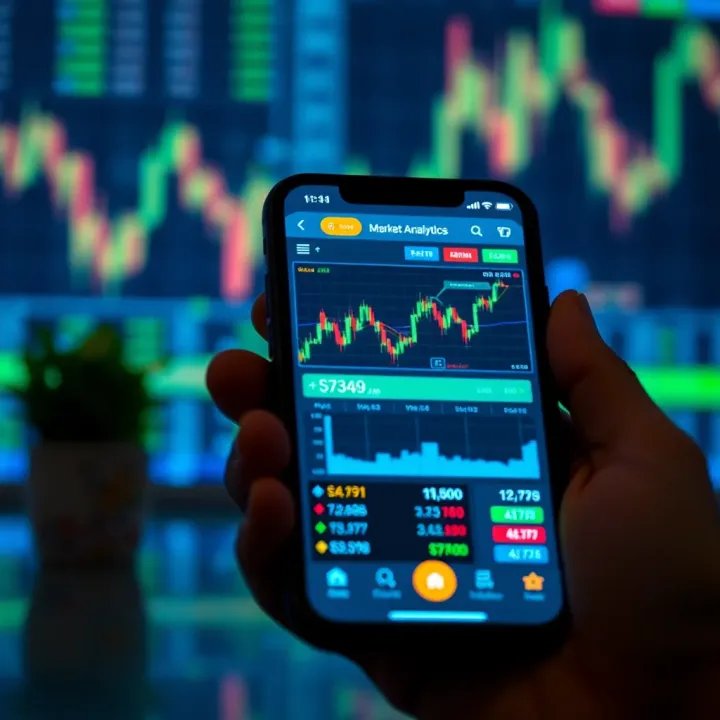
Discover how to pick the best trading app for beginners in Pakistan 📈. Learn about key features, security, and easy steps to start your trading journey!
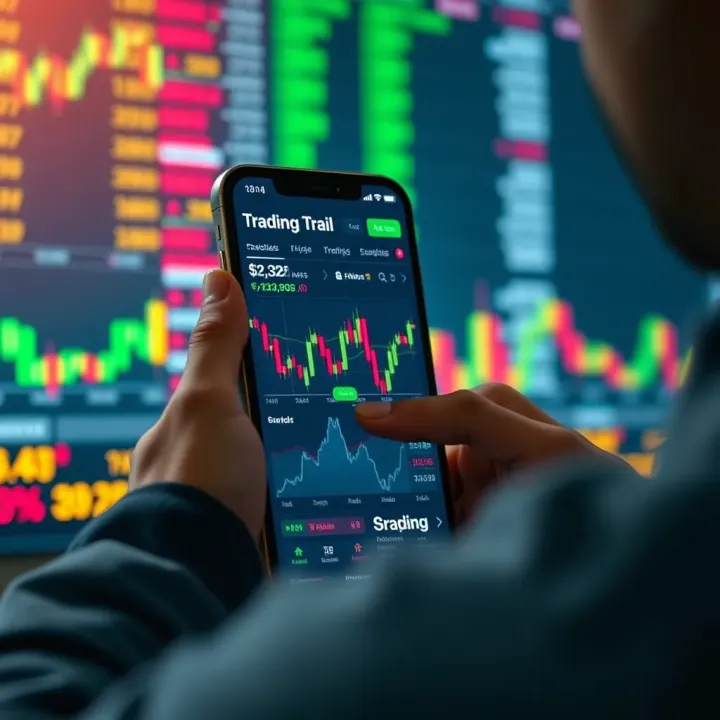
Explore the best online trading apps in Pakistan 📱. Learn about their features, security, fees, and market access to find your perfect trading fit.
Based on 12 reviews