
Top Crypto Trading Platforms for Pakistani Traders
Explore top crypto trading platforms for Pakistani traders 🔒 Discover security, fees, user experience, and legal insights to trade confidently in Pakistan 🇵🇰
Edited By
Ethan Clarke
Cryptocurrency trading has become a hot topic in Pakistan’s financial circles, especially among those trying to balance modern investment opportunities with Islamic teachings. Many investors and traders ask, "Is crypto trading halal?" This question arises because Islamic law lays down specific rules concerning money, trade, and ethics. Understanding whether buying, selling, or trading digital currencies like Bitcoin and Ethereum fits within these rules requires careful examination.
At its core, crypto trading is about buying an asset at one price and selling at another, hoping to gain profit. But the concept of profit alone does not guarantee halal status. Shariah law prohibits certain elements such as Riba (interest or usury) and Gharar (excessive uncertainty or speculation). These principles guide what transactions are considered just and fair.
Islamic finance forbids earning through interest and trading in unclear or overly risky ventures, which complicates crypto trading’s permissibility.
Crypto’s volatile price swings often resemble speculation more than business, raising concerns about Gharar. However, some scholars argue that not all trading involves prohibited uncertainty, especially when traders base their decisions on market research and tangible criteria.
Several Islamic jurists in Pakistan have shared varying opinions. Some see cryptocurrency as a form of digital commodity, hence permissible if used like trading gold or other assets. Others warn against it due to its lack of physical backing and regulatory clarity. The absence of a central authority in crypto markets also fuels debate about the legitimacy and protection against fraud or manipulation.
For traders and investors in Pakistan, understanding these nuances is essential. Evaluating a specific cryptocurrency’s usage, the nature of transactions, and the trader’s intent can determine halal compliance. Clear guidelines from local Islamic finance experts or advisory boards can help make informed decisions.
In summary, crypto trading sits in a grey area within Islamic jurisprudence, influenced by interpretations of Riba, Gharar, and asset legitimacy. Pakistani investors are advised to consult knowledgeable scholars, stay updated on market regulations by the State Bank of Pakistan, and approach crypto trading cautiously, ensuring their investments align with their faith’s principles.
Before discussing whether crypto trading is halal, it's necessary to understand what cryptocurrencies are and how their trading operates. This knowledge helps to appreciate the risks, mechanics, and unique features that distinguish cryptocurrencies from traditional assets. Pakistani investors should grasp these basics to make informed decisions about participating in this relatively new financial sector.
Cryptocurrency is a form of digital money secured by cryptography, making it difficult to counterfeit or double-spend. Unlike conventional currencies like the Pakistani Rupee, cryptocurrencies operate independently of any central authority, such as a government or central bank. Instead, they use decentralised networks to validate transactions.
Bitcoin remains the most recognised cryptocurrency among Pakistani traders, often referred to as digital gold. Ethereum is popular for its smart contract platform, allowing more complex financial applications. Locally, newcomers like the Binance Coin (BNB) and Cardano also gather interest because of their fast transactions and lower fees, which appeal to Pakistan's growing online investor base.
Cryptocurrencies rely on blockchain technology, a distributed ledger that records every transaction across a network of computers. This ensures transparency and security while removing the need for intermediaries. Each transaction gets verified by network participants through a process called mining or staking, depending on the cryptocurrency, which maintains the system’s integrity.
Trading cryptocurrencies involves purchasing and selling digital coins through specialised platforms known as exchanges. Users can buy cryptocurrencies using fiat currency like Rs 10,000 or exchange one cryptocurrency for another. For instance, you might buy Bitcoin and later trade it for Ethereum if you anticipate better returns.
Crypto prices fluctuate based on supply and demand, investor sentiment, regulatory news, and market liquidity. For example, when a government hints at restricting cryptocurrency use, prices often dip sharply. Conversely, announcements of institutional adoption tend to drive prices up. Unlike stocks, crypto markets remain highly volatile, with prices sometimes swinging by double digits within hours.
Exchanges like Binance, Coinbase, and locally accessible ones act as marketplaces and facilitators for crypto trading. Traders create accounts to buy or sell digital assets. Wallets, either hardware or software-based, serve as personal vaults to store cryptocurrencies securely. The security of wallets is vital since losing access means losing the digital assets without any recourse.
Understanding these basics of cryptocurrency and how crypto trading works equips Pakistani investors to navigate the market responsibly and assess its alignment with their financial goals and religious values.
Islamic finance is guided by principles that promote fairness, transparency, and ethical dealings. These principles help investors evaluate whether crypto trading complies with Shariah law. Understanding the core concepts like prohibition of Riba (interest), avoidance of Gharar (excessive uncertainty), and the need for asset-backing forms the foundation for assessing cryptocurrency's permissibility. For Pakistani traders, knowing these rules helps avoid financial practices that conflict with their religious beliefs.
Riba refers to any guaranteed interest on loaned money, considered exploitative and unjust in Islamic law. It includes not only explicit interest payments but also any excess compensation without risk sharing. This principle arises from the idea that money itself should not generate profit without productive activity or risk.
Interest is forbidden because it creates an imbalance between parties, leading to injustice and economic harm. It often results in debt traps and exploitation of vulnerable individuals. Islam encourages risk-sharing and fair trading as means to allow generating lawful profits.
In trading activities, Riba concerns arise if the transaction guarantees fixed returns or involves interest-based financing. For example, borrowing money to buy cryptocurrencies on interest would breach this rule. Traders must ensure their dealings do not guarantee fixed profits or embed interest components to remain compliant.
Gharar means uncertainty or ambiguity in contracts that can lead to disputes or unfair loss. Islamic law forbids transactions where critical terms are vague or unknown, causing ambiguity in ownership, delivery, or price.
Common examples include selling goods not yet owned or exchanging unknown amounts, like gambling or speculative bets. Such contracts lack certainty and can harm either party.
Speculative trading in cryptocurrencies often involves high volatility and unclear terms, which can resemble gharar. If a trade is akin to gambling or based on excessive guesswork rather than informed decisions, it becomes problematic. Traders should avoid unclear contracts and ensure transparency in their crypto dealings.
Islamic finance requires transactions to be backed by tangible assets or real economic activity. This principle prevents artificial trades or money creation without underlying value.
Asset-backing ensures that wealth transfer reflects actual economic benefit rather than mere speculation. For example, buying shares in a company represents ownership in real assets, making it permissible.
Whether cryptocurrencies qualify as assets remains debated. Unlike stocks or commodities, many cryptos lack physical backing or intrinsic value. Some scholars argue cryptos can be assets if widely accepted for trade and ownership is clear. Others disagree, citing their abstract nature and high price volatility. This distinction strongly affects their permissibility under Islamic law.
Grasping these core principles offers Pakistani crypto traders a practical framework to navigate the complex intersection of Shariah law and modern digital assets, guiding responsible and compliant investment choices.
Some Islamic scholars permit cryptocurrency trading provided certain conditions are met. These include ensuring transactions are free from Riba (interest), avoiding excessive Gharar (uncertainty), and confirming cryptocurrencies are used as genuine assets rather than mere speculative tools. For instance, scholars who approve trading stress that the digital asset must represent real economic value and be backed by transparent systems. This viewpoint offers practical benefits for traders who want to stay within Islamic guidelines while exploring new investment vehicles.
On the other hand, a notable number of scholars advise caution or outright prohibit crypto trading. Their concerns usually revolve around the high volatility of cryptocurrencies, lack of central regulation, and potential for fraud. This uncertainty often resembles a form of speculation that Islam discourages. For Pakistani investors, this cautionary stance means assessing risks carefully and considering alternatives that align more clearly with Shariah.
These divergent views stem from different interpretations of Islamic finance principles applied to emerging technology. The novelty of cryptocurrencies means scholars rely on varying definitions of asset-backing, uncertainty, and speculation. Some focus on the digital nature and decentralisation aspects, while others emphasise traditional criteria of tangible assets and regulated markets. Understanding these reasons helps investors navigate opinions and make informed decisions consistent with their beliefs.
Major Islamic organisations in Pakistan have issued statements highlighting concerns about crypto trading's permissibility. Prominent bodies like the Ruet-e-Hilal Committee and national Shariah councils often stress the need for clear regulations before cryptocurrencies can be fully endorsed. Their guidance helps traders recognise where Islamic law stands amidst the fast-changing crypto environment in Pakistan.
Shariah councils interpreting crypto market activities typically stress core principles such as the avoidance of uncertainty and prohibition of Riba. These councils evaluate whether digital currencies qualify as assets and if trading methods respect Islamic ethics. Their findings shape fatwas that guide Pakistani Muslims on permissible investment practices.
The government’s position and regulatory signals also influence Islamic rulings. Pakistan’s State Bank has not yet legalised cryptocurrency as official currency, and regulatory bodies advise prudent behaviour. This cautious approach provides a backdrop for Islamic scholars to advocate adherence to existing laws and avoid risky engagements. Thus, investors are encouraged to follow both Islamic guidelines and local regulations to ensure compliant trading.
Islamic scholarly views on cryptocurrencies are diverse but focused on protecting investors from excessive risk and ensuring compliance with Shariah.
Overall, recognising these varied perspectives and official fatwas helps Pakistani investors balance faith and financial ambitions when considering cryptocurrency trading.
Understanding the practical aspects of cryptocurrency trading is vital for investors in Pakistan. This section highlights real-world factors that affect not just profitability but also the compliance and ethical implications under Islamic finance principles. It looks at risks, legal frameworks, and responsibilities that Pakistani traders must handle before entering crypto markets.
Cryptocurrency markets are known for sudden and large price movements. For example, Bitcoin’s value can swing by several percentage points within hours, unlike traditional assets such as stocks or real estate. This volatility means investors may face unexpected losses or gains in a short period. For Pakistani investors, this unpredictability challenges both financial planning and risk management.
Islamic finance discourages excessive uncertainty (gharar) and gambling (maysir). Since crypto trading carries high unpredictability and speculative elements, it raises concerns about its permissibility. Investors should consider whether trading resembles gambling or speculation more than genuine investment. Avoiding speculative behaviour aligns better with Islamic ethics and protects against undue financial harm.
Pakistan’s legal framework around cryptocurrencies remains cautious. While the State Bank of Pakistan (SBP) has not authorised crypto as legal tender, individuals can still trade on unofficial platforms. This ambiguous status means investors must proceed carefully to avoid legal complications, especially with frequent regulatory updates.
The Federal Board of Revenue (FBR) treats income from cryptocurrencies as taxable gains. Pakistanis trading crypto should keep detailed records of transactions to report profits honestly during tax filing. Failure to declare such income can lead to penalties. Responsible tax compliance is indispensable for sustaining lawful trading practices.
The SBP has repeatedly warned against cryptocurrencies due to risks like fraud, money laundering, and investor protection gaps. Although not banned officially, banks and financial institutions avoid facilitating crypto transactions. This stance impacts payment methods and liquidity, requiring investors to use alternative channels responsibly.
Islamic principles stress avoiding harm (darar) in financial dealings. Excessive speculation can harm both the individual and the community by encouraging risky behaviour and potential losses. Pakistani investors should recognise crypto trading as a high-risk activity and refrain from investing money they cannot afford to lose.
Investors must practice caution by conducting thorough research and diversifying portfolios to reduce risk. Just as you would not put all your eggs in one basket, crypto investments should be a measured part of an overall financial plan, respecting Islamic principles of fairness and transparency.
Before engaging with any crypto platform or product, verify the legitimacy and transparency of the exchange or tokens involved. Avoid projects lacking clear information or community trust. Making decisions based on comprehensive understanding helps safeguard your capital and follows Islamic emphasis on honesty and clarity in transactions.
Responsible investing and compliance with local rules are not just legal necessities but align closely with Islamic values of justice and prudence.
To sum up, Pakistani investors navigating cryptocurrency trading must balance market opportunities with ethical considerations, legal compliance, and practical risk management for truly halal investment choices.
Explore top crypto trading platforms for Pakistani traders 🔒 Discover security, fees, user experience, and legal insights to trade confidently in Pakistan 🇵🇰
🔍 Find the best crypto trading platform for Pakistani traders. Compare security, fees, user experience, and regulations to choose wisely in 2024.
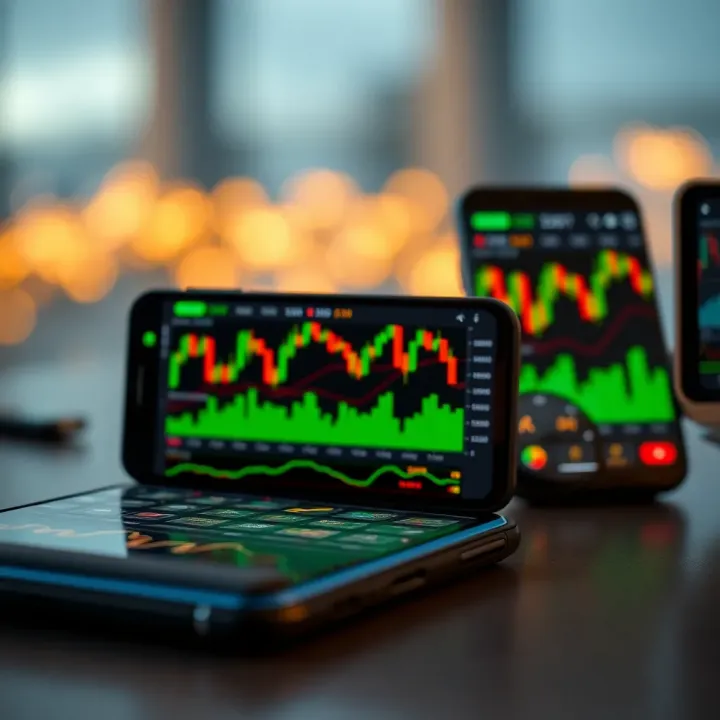
Explore top crypto trading apps in Pakistan 🇵🇰. Learn about security, ease of use, and regulations to choose the right platform for your investments 📱💰.
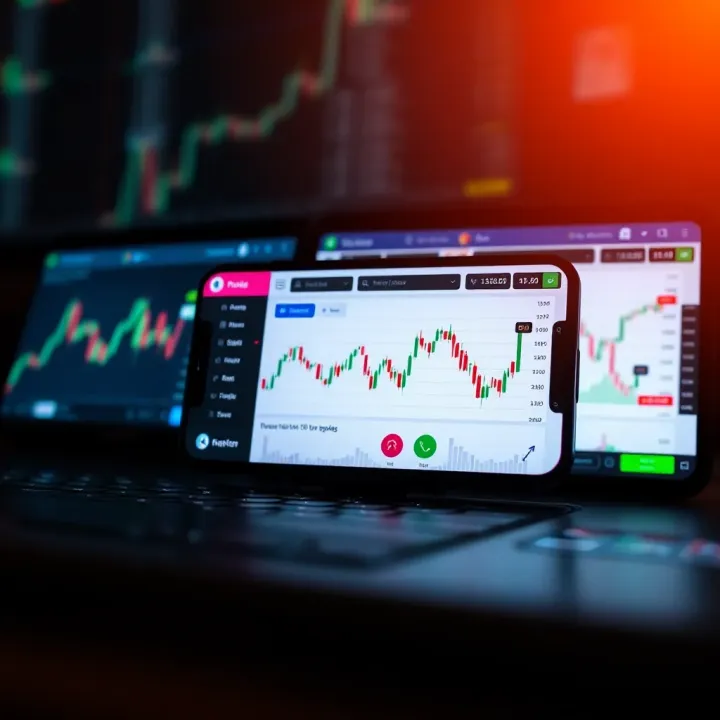
Explore top trading apps in Pakistan 📱! Compare features, security 🔒, costs 💰, and get expert tips for safe investing. Perfect for beginners & pros.
Based on 7 reviews