
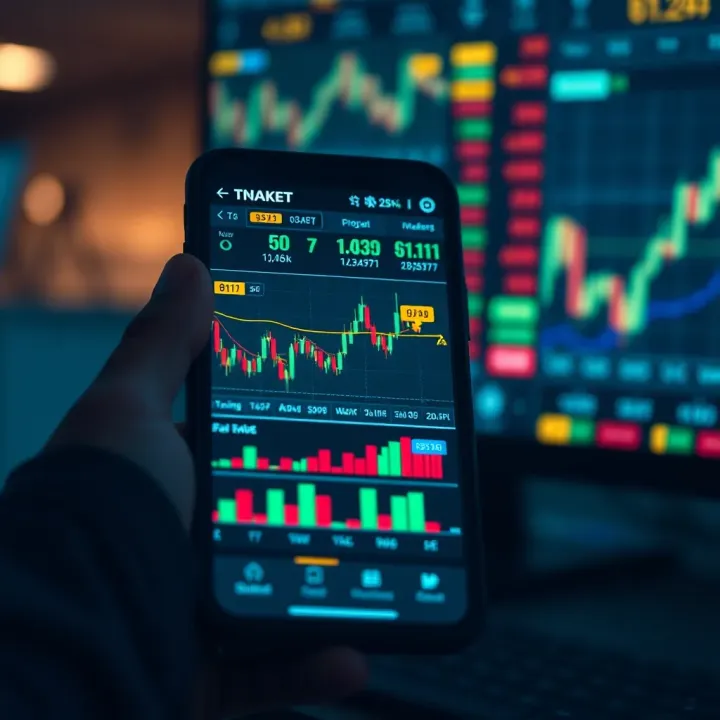
Best Trading Apps for Pakistani Investors
📱 Looking for the best trading app in Pakistan? Discover features, security tips, costs, and local market insights to choose the right app for you. 💹
Edited By
Sophie Carter
Forex trading simulators provide a practical platform for Pakistani traders to practise currency trading without the risk of losing real money. These simulators replicate live market conditions, allowing users to experiment with strategies, understand price movements, and sharpen their decision-making skills.
Using a forex simulator can be especially helpful given the volatility in global currency pairs like USD/PKR, EUR/PKR, or GBP/PKR, which often reflect geopolitical events, economic policies, and market sentiment. This risk-free environment helps traders avoid costly mistakes before they start investing their own money in the real market.

Remember: Practising on a simulator does not guarantee success in live trading but improves your awareness and confidence in managing trades.
No financial risk: You trade with virtual money, protecting your capital during the learning phase.
Real-time market exposure: Simulators offer prices and charts similar to live trading, reflecting current economic events.
Strategy testing: Pakistani traders can try different approaches like scalping, day trading, or long-term positions without pressure.
Understanding trading platforms: Getting familiar with broker interfaces, order types, and market tools ahead of actual trading.
Opt for simulators offered by reputable platforms with access to live price feeds in Pakistani marketplaces or internationally recognised pairs. This ensures the practice feels authentic and directly applicable to your trading style.
Offline simulators are also available but might not offer the same real-time data quality.
Suppose you want to trade USD/PKR amid fluctuating SBP interest rates. Using a simulator, you can observe how rate announcements impact currency value and learn to anticipate market reactions before risking your real capital.
This guide will cover how to pick the right simulator, effective usage tips, and the differences between demo trading and live forex trading in Pakistan’s financial environment.
Forex trading simulators are digital tools that let traders practise buying and selling currencies without risking actual money. For Pakistani traders, especially beginners, these simulators provide a risk-free environment to sharpen skills, understand market behaviour, and test strategies before stepping into live markets. They replicate the forex market’s ups and downs, allowing you to experience trading in real-time conditions but with virtual funds.
Forex trading simulators are software platforms that mimic the real foreign exchange market. They offer virtual accounts filled with fake money, letting you execute trades just like in actual trading. For instance, a Karachi-based trader can practise trading USD/PKR using real market prices but without any financial risk. This helps in grasping the dynamics of forex pairs and market trends without the fear of losing real money.
These simulators primarily serve the purpose of education and practice. They are crucial for new traders who want to avoid costly mistakes in live trading. Also, even experienced traders use simulators to trial new trading strategies or adapt to new platforms.
Most simulators use live data feeds or replay historical data to generate realistic market scenarios. For example, they mirror price fluctuations, spreads, and volume similar to actual forex exchanges. Some advanced simulators even factor in market execution delays or slippage, which helps traders get a realistic feel of the timing and challenges involved in real trades.
This replication is vital because it trains traders in decision-making under pressure. A common feature is the ability to pause or rewind market moves for closer analysis. This is especially helpful in Pakistan where market hours and volatility differ from global centres, so practising with local market snapshots builds confidence.
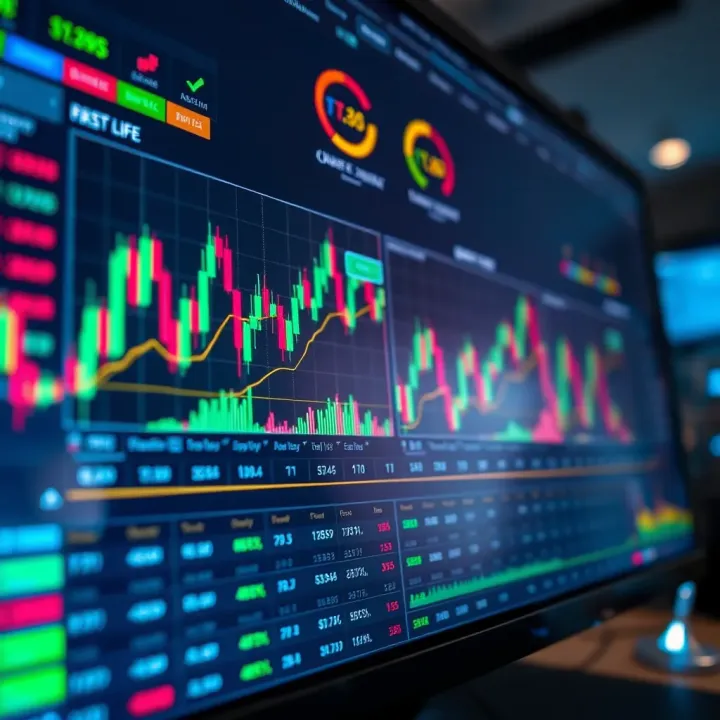
Good forex simulators provide live pricing that reflects actual market conditions, including currency pairs popular in Pakistan such as USD/PKR, EUR/PKR, and GBP/PKR. This allows traders to track price movements through charts and indicators exactly as they would in live trading. Charts typically show candlestick patterns, volume bars, and technical indicators like RSI or MACD, which are essential for analysing trends and making trading decisions.
Having access to real-time charts helps Pakistani traders recognise entry and exit points quickly. It’s the difference between guessing and making informed decisions based on patterns confirmed by real market action.
Simulators offer the same trade execution options as live platforms, including market orders, limit orders, and stop-loss orders. This variety lets traders practise different strategies — from aggressive scalping using instant market orders to cautious risk management with limit orders.
Practising order types ensures Pakistani traders are familiar with placing trades, adjusting positions, and protecting against losses before real money is involved. Some simulators also simulate order execution speed and slippage, which affects how trades are filled during volatile market moments.
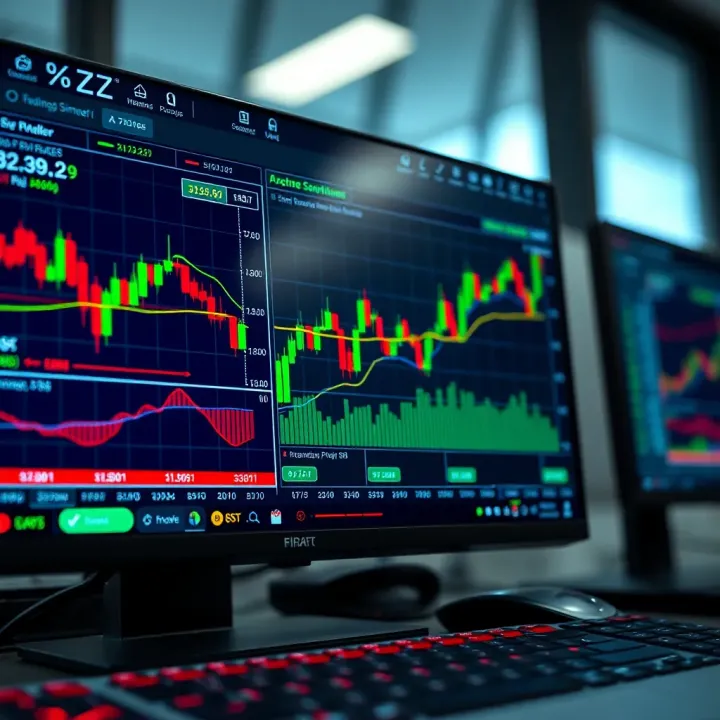
Risk management is vital in forex trading and simulators provide tools like stop-loss and take-profit settings to help control losses and lock in profits. They often include risk calculators that show the potential impact of each trade relative to the account size.
Using these tools in simulation helps traders develop discipline to limit exposure to big losses. For example, before buying a large position in USD/PKR, a trader can calculate the maximum risk they are willing to accept. Practising this habit is especially important in Pakistan's forex market where unexpected political and economic events can cause sudden price swings.
Using a forex trading simulator is like learning to drive a car on training wheels: you get to understand controls and road rules without any accidents. For Pakistani traders, this hands-on experience only improves your chances of success when you finally trade with real capital.
Forex trading simulators offer practical advantages that can shape the skills and mindset of traders, especially those in Pakistan who are stepping into currency markets. They provide a safe learning ground without the risk of losing real money, helping you understand market movements and test trading ideas before putting your hard-earned cash on the line.
Learning market dynamics without losing money is the most obvious benefit. Forex markets can be volatile, and beginners often find themselves overwhelmed by sudden price swings. By using a simulator, you can observe how currency pairs like USD/PKR or EUR/PKR behave under different market conditions, from political announcements to economic data releases. For example, you might see how the rupee reacts to SBP policy changes without any real financial exposure. This helps build a foundation so that when you trade live, you won't be caught off guard.
Testing various trading strategies becomes possible without draining your wallet. You can try scalping during peak market hours, day trading with technical indicators, or even swing trading strategies using fundamental analysis. The simulator tracks your trades, showing which approaches work and which need adjustment. This trial-and-error process is vital because it lets you fine-tune your methods under risk-free conditions, which is nearly impossible in live trading.
Developing decision-making skills is key to successful trading. Forex trading isn’t just about luck—it requires clear choices under pressure. A simulator lets you experience making quick decisions and seeing their consequences immediately. Over time, this hones your ability to judge entry and exit points thoughtfully. For instance, if you practise trading the PKR against the dollar regularly, you’ll become more confident spotting trends and reversals.
Understanding emotional control in trading is often overlooked yet vital. Live trading with real money can stir greed, fear, and anxiety, leading to impulsive mistakes. Simulators help you face these emotions in a controlled setting. While the money isn’t real, the process of making gains and losses sharpens your psychological resilience. This builds the discipline needed to stick to your trading plan and not chase losses, a common pitfall among Pakistani traders.
Getting comfortable with platform interfaces is another important aspect. Pakistani traders often use platforms like MetaTrader 4/5 or local brokerage apps connected with PKR trading pairs. Simulators allow you to explore these trading environments freely. You learn how to place orders, monitor your portfolio, and adjust settings smoothly—skills that pay off when the market is live and fast-moving.
Using indicators and technical analysis is often confusing for newcomers. Simulators provide a hands-on way to apply tools like moving averages, RSI (Relative Strength Index), and Fibonacci retracement. You can see how these indicators signal potential trading opportunities without risking money. This practical exposure improves your technical understanding and equips you to make timely, informed trades when you go live.
Using a forex trading simulator means you can sharpen your skills, gain confidence, and understand the dynamics of Pakistani and global currency markets without the fear of losing money. It’s a wise step before committing real funds.
By focusing on these benefits, especially within Pakistan's trading context, you set yourself up for better risk management and more disciplined, strategic trading.
Picking the right forex trading simulator matters because it sets the foundation for your learning and confidence building. For Pakistani traders, the choice should go beyond basic features to consider realism, accessibility, and practical relevance to local market conditions. This ensures your practice closely mirrors what you will face in live trading.
Importance of updated market data
Market data must be current to give accurate price movements and reflect realities like sudden spikes or drops. For example, if a simulator uses outdated data from last year, you might face strange patterns that don't align with today's currency behaviour, making your practice less valuable. Simulators updated frequently, ideally daily, help you learn how news, government announcements, or global events influence prices in real time.
Simulation of spreads and execution delays
Spreads vary between brokers and fluctuate based on market liquidity. A good simulator mimics these variations rather than fixed tight spreads. Also, execution delays can impact your trades during volatile conditions. Without simulating such delays or slippage, you might develop unrealistic expectations for trade entries and exits. This is particularly important in the PKR-USD pair, where spreads can widen during Pakistan market hours or political events.
Mobile and desktop compatibility
Many Pakistani traders rely on mobile devices during commutes or breaks. Therefore, a simulator that works well on both desktop and mobile is preferable. For instance, platforms like MetaTrader offer mobile apps synchronised with desktops, enabling flexible practice anytime. A clunky mobile interface can discourage regular use or cause mistakes during fast-paced trades.
Support for PKR and regional currency pairs
It's useful if the simulator includes the Pakistani Rupee (PKR) paired with major currencies like the US dollar, euro, or Chinese yuan. This reflects local forex trading interests more closely than simulators focusing only on USD-EUR or other international pairs. Practising PKR pairs helps you understand their unique volatility, spreads, and responses to domestic economic news such as SBP policy decisions.
Free vs paid simulators
Free simulators are great for beginners testing the waters but often lack advanced features or updated data. Paid platforms typically offer better tools, including improved charts, economic calendars, and more realistic simulations. For example, brokers like FXTM or OctaFX provide trial accounts and upgraded simulators with added analytics for a fee or part of their live accounts. Weigh your budget against how serious you are about trading.
Educational resources and community support
A simulator linked with educational content improves learning efficiency. Some paid platforms provide webinars, tutorials, and active discussion forums where Pakistani traders share tips and experiences. This interaction not only answers your questions but also exposes you to diverse trading approaches. Platforms without community support might leave you isolated, making it harder to stay motivated.
Choosing a forex trading simulator that blends accuracy, accessibility, and educational support tailored to Pakistani trading conditions boosts your chances of a smooth transition to live forex trading.
Selecting the right simulator takes a bit of research, but the rewards in preparing for the real market are well worth it. Focus on what fits your routine, budget, and the pairs you want to trade to get the most reliable practice experience.
Using forex trading simulators can give Pakistani traders a solid head start, but only if used wisely. Following best practices ensures you don't just simulate trades, but actually build skills that work in the real market.
Establishing daily or weekly targets is key to disciplined learning. For example, setting a daily target to practise five trades focusing on specific currency pairs like USD/PKR or EUR/USD helps you focus and measure progress. Without goals, it’s easy to wander aimlessly, which defeats the purpose of a simulator.
Tracking and reviewing performance goes hand in hand with goal-setting. Keep a simple journal or spreadsheet noting your trades, the reasons behind your decisions, and outcomes. Over time, patterns emerge—maybe you do better in the morning sessions or find certain strategies fail consistently. Reviewing your trades weekly helps refine your approach before risking actual rupees.
Understanding the differences in real market conditions is vital. Simulators may not fully capture market volatility, slippage, or sudden news impacts common in PKR currency pairs. For instance, during Pakistan’s budget announcement days, live rates reflect rapid fluctuations—simulation models might lag behind. Knowing this prepares you mentally for unexpected price moves.
Managing emotions when real money is involved is often the toughest hurdle. In a simulator, losses don’t hurt your wallet, but in live trading, fear and greed can cloud decisions. Start with small amounts when going live to acclimatise yourself gradually. Recognise when panic stops you from following your plan and develop strategies like taking breaks or breathing exercises to stay calm.
Overtrading and unrealistic expectations commonly trip up beginners using simulators. Trading nonstop to 'win back losses' or expecting every trade to be profitable is unrealistic. In the Pakistani market, where forex spreads and liquidity differ from other markets, pacing yourself is crucial. Treat simulations as practice sessions, not guaranteed profit generators.
Ignoring market news and fundamentals reduces simulation effectiveness. Forex rates react strongly to economic reports like SBP policy rate changes or geopolitical events affecting Pakistan’s rupee. Using only technical indicators in simulators without factoring in these news events is like driving blindfolded. Follow reputable local news and understand how they impact currency pairs to make your simulation more aligned with reality.
Successful use of forex simulators means treating them as training tools, not crystal balls. Setting clear goals, recognising real-live differences, managing emotions, and respecting market fundamentals build a solid foundation for real trading success.
Adopting these practices will help you take full advantage of forex simulators and prepare better for the live markets where real money and challenges await.
For Pakistani traders, understanding the differences between forex simulation and live trading is vital before committing real money. Simulators provide a controlled environment to test strategies without risk, but real markets bring complexities that can affect outcomes. Knowing these differences can help manage expectations and develop better trading discipline.
Liquidity refers to how easily you can buy or sell a currency pair without changing its price much. In simulators, liquidity is often assumed to be perfect, so orders fill instantly at expected prices. However, actual forex markets, especially in less-traded pairs like PKR/USD or PKR/EUR, experience varying liquidity throughout the day. This can cause slippage, where the execution price differs from the expected price. For example, during Pakistan's market off-hours or global holidays, low liquidity may lead to significant slippage, affecting profits or losses unexpectedly.
Spreads are the difference between buying and selling prices. Simulators often use fixed or average spreads, but in real trading, spreads widen during events such as economic announcements or high volatility periods. Take the SBP policy rate announcement as an example—spreads may widen, increasing trading costs. Pakistani traders should be aware that fixed spreads in simulators do not capture these real costs, which can impact strategy performance and risk management.
Emotions like fear and greed are tough hurdles in real trading but are mostly absent in simulations. With fake money, the fear of loss disappears, making it easier to take risks. However, live trading triggers strong emotional reactions when actual money is at stake. Fear might cause premature exits, while greed might push traders to overtrade, ignoring sound strategy. Recognising these emotions helps Pakistani traders develop better control and stick to their plans.
Live trading often comes with stress caused by market fluctuations and financial risk. This pressure can cloud judgement and lead to impulsive decisions. In contrast, simulators offer a calmer atmosphere, lacking the immediate consequences of losses. For example, a sudden WAPDA load shedding affecting internet connectivity during trading hours can add stress for Pakistani traders. Learning to make rational decisions under such conditions is crucial, and starting with simulators can prepare traders but won't fully replicate this pressure.
Successful trading requires understanding that simulators and live markets differ not just technically, but also psychologically. Awareness of these factors equips Pakistani traders to bridge the gap effectively.
Understanding these key differences can prevent common pitfalls and build realistic expectations. This knowledge acts as a foundation for moving from simulation to profitable live trading.
📱 Looking for the best trading app in Pakistan? Discover features, security tips, costs, and local market insights to choose the right app for you. 💹
Explore top trading apps in Pakistan 📱! Compare features, security 🔒, costs 💰, and get expert tips for safe investing. Perfect for beginners & pros.
Find the best forex trading platform for Pakistani traders 🇵🇰. Learn about features, costs, regulations, usability & tools to make smarter trades! 💹
Looking for the best forex trading broker in Pakistan? Learn to evaluate regulation, fees, platforms & customer support to trade smartly. 💹💼
Based on 14 reviews