
Best Forex Trading Platforms for Pakistani Traders
Find the best forex trading platform for Pakistani traders 🇵🇰. Learn about features, costs, regulations, usability & tools to make smarter trades! 💹
Edited By
Ethan Clarke
Forex trading has grown popular among Pakistani investors due to the accessible online platforms and the lure of quick profits. However, many curious traders wonder if forex trading is halal under Islamic law. The answer isn’t simply yes or no. Instead, it depends on specific trading practices and how they align with Islamic finance principles.
Islamic finance forbids earning profit through riba (interest), excessive gharar (uncertainty), and gambling-like activities. These concepts shape what is permissible (halal) or forbidden (haram) in financial dealings. Forex trading itself is the buying and selling of currencies, which in theory can be halal if done within ethical bounds.
Some scholars argue that conventional forex trading often involves riba, especially when trading occurs via accounts offering overnight rollover or swap fees, which essentially operate as interest. Others raise concerns about gharar because currency prices can be highly volatile and speculative. This speculation, akin to gambling, is discouraged in Islam.
That said, forex trading can be halal if it complies with these guidelines:
Trades are settled instantly or within the same day to avoid interest accrual.
No leverage is used that incurs interest payments on borrowed funds.
Transactions involve actual exchange of currencies and not mere contracts of speculation.
For Pakistani Muslims, finding brokers offering Islamic or swap-free accounts is a practical step. These accounts prevent interest charges, reducing the risk of engaging in riba. Traders should also avoid excessive speculation and rely on informed analysis rather than guesswork.
Practicing forex trading in line with Shariah requires understanding these fine points and choosing trading methods carefully. It’s wise to consult local Islamic scholars familiar with both finance and Shariah to ensure compliance.
In summary, forex trading itself isn’t outright haram, but common practices often conflict with Islamic principles. Careful adherence to halal trading conditions makes the difference for Muslim traders in Pakistan wanting to participate ethically in forex markets.
Understanding the basics of forex trading alongside Islamic finance principles is essential for Pakistani traders who want to navigate the market according to Shariah guidelines. The forex market’s structure and Islamic laws on financial dealings can sometimes collide, especially regarding interest and uncertainty. Having a firm grasp of both helps traders choose halal methods and avoid pitfalls.
The forex market is the global platform where currencies are bought and sold. It operates 24/7, allowing traders to exchange one currency for another based on fluctuating exchange rates. For example, a Pakistani trader might exchange Pakistani Rupees (PKR) for US Dollars (USD) or Euros (EUR) to benefit from price movements.
Currency trading influences international trade, investments, and monetary policy. It is the largest financial market worldwide, with daily volumes surpassing $6 trillion, making it highly liquid and accessible.
Currency pairs work by quoting the value of one currency relative to another. The first currency is called the base currency, while the second is the quote currency. For instance, in the USD/PKR pair, USD is the base and PKR is the quote. If USD/PKR is 280, it means one USD buys 280 PKR. Traders speculate on whether the base currency will strengthen or weaken against the quote currency, aiming to profit from the difference.
Common methods to trade forex include spot trading, forwards, futures, and options. Spot trading involves immediate exchange at the current market price, usually settled within two business days. Platforms like MetaTrader 4 (MT4), MetaTrader 5 (MT5), and broker-specific apps offer user-friendly interfaces for retail traders. Pakistani traders typically rely on brokers regulated by international or local authorities to ensure reliability.
Islamic finance strongly prohibits riba (interest), considering it exploitative. This means any guaranteed interest earned or paid is forbidden. In forex trading, this prohibition affects transactions involving rollover or swap fees, which occur when positions are held overnight and interest is charged or credited based on interest rate differentials. Shariah-compliant accounts specifically aim to eliminate such fees to keep trading halal.
Another key principle is the avoidance of gharar, which refers to excessive uncertainty or ambiguity in contracts. Islamic law forbids transactions where outcomes are unclear or speculative to the extent of gambling. Forex trading that involves immediate settlement, clear terms, and transparent pricing reduces gharar risk. However, trading with high leverage or delayed settlements can introduce gharar, making them controversial from an Islamic point of view.
Fairness and transparency form the backbone of Islamic finance. Traders must know the exact terms and conditions before engaging and avoid deception. Islamic contracts emphasise mutual consent and equal knowledge. Practically, this means forex brokers should disclose fees openly, avoid hidden charges, and execute trades promptly without manipulation.
Clear understanding of how forex works and Islamic rules on interest, uncertainty, and fairness lets traders make informed choices that respect their faith while navigating today’s fast-moving markets.
In the Pakistani context, these principles guide one’s selection of brokers and trading methods. For example, opting for Islamic trading accounts prevents involvement with riba, and focusing on spot markets helps avoid gharar. The blend of technology and ethical compliance assures that forex trading can be practiced fairly and transparently within Islamic boundaries.
Islamic scholars’ opinions play a vital role in determining whether forex trading aligns with Shariah law. Their views help clarify complex issues like riba (interest) and gharar (uncertainty), which are central concerns in Islamic finance. For Pakistani traders, understanding these scholarly debates ensures trading remains within ethical and religious boundaries.
Some scholars argue forex trading is halal when it involves actual exchange of currencies without any element of interest. This view considers trading on spot markets, where real currencies change hands immediately or within the same day, as permissible. For example, exchanging USD for PKR with the intention of genuine currency conversion is generally accepted because no interest or unjust gain is involved.
This practical stance favours transactions reflecting strong economic realities rather than artificial profits based on loan interest. Traders using accounts without swap or rollover fees, sometimes called Islamic or swap-free accounts, avoid riba and comply with this principle.
Immediate settlement is crucial for halal trading according to many scholars. Spot trading means buying or selling currency pairs with the exchange taking place straight away—or at latest within two business days. This prevents uncertainty and speculation around future delivery, which Islamic law considers problematic.
So, a Pakistani trader conducting spot deals through a regulated platform ensures compliance by avoiding deferred payment and delivery systems. This reduces risks linked to gharar and makes trading closer to legitimate currency exchange activities like those done at banks or exchange bureaus.
Transparency and sincere trading intent matter a lot. Islamic scholars emphasise honest dealings where both parties clearly understand the transaction. Traders should avoid deceit or misleading practices.
For instance, when entering forex trades, using clear contracts and avoiding hidden charges maintains trustworthiness. Pakistani forex brokers offering transparent fee structures and clear trading rules support traders in meeting these Shariah standards.
A common concern is leverage, which involves borrowing money to amplify trades. High leverage often incurs interest (riba) through rollover or swap fees, forbidden by Islamic law. Scholars warn that leverage increases risk and dependence on interest payments.
For practical purposes, traders in Pakistan should avoid brokers charging interest or swap fees if they want halal status. Islamic accounts that explicitly forbid such charges are crucial alternatives.
Excessive speculation is another red flag. Islam condemns gambling (maysir), where earning is based mainly on chance rather than efforts or real economic activity. Forex trading that relies heavily on guessing market moves without sound analysis might resemble gambling.
Thus, responsible risk management and trading based on genuine market information are vital. Pakistani traders avoiding reckless bets and gambling-like behaviour align better with Islamic ethics.
Delayed settlement can introduce gharar, or uncertainty, violating fairness principles. If settlement and payment delay beyond spot limits, the transaction becomes more about speculation and risk.
For example, traders dealing in futures or forward contracts without delivering actual currency exchange enter a grey area often viewed as haram. Staying strictly within spot forex trading helps reduce these risks and ensures transactions honour Islamic financial principles.
Islamic scholars’ perspectives are essential for guiding Muslim traders through a complex market like forex, helping them avoid forbidden elements and trade ethically according to Shariah.
When considering whether forex trading is halal, certain key factors make all the difference. These aspects help ensure trading follows Islamic principles, avoiding common issues related to riba (interest), gharar (excessive uncertainty), and gambling elements. Understanding these factors protects traders from unknowingly engaging in haram practices while allowing them to participate ethically.
Swaps or rollover fees occur when a forex position is held overnight. These fees reflect interest differences between the currencies involved. Since paying or earning interest (riba) is forbidden in Islam, swaps make conventional forex trading problematic. For instance, if you hold a position in USD/PKR overnight and incur a swap fee, that charge comes from interest rate differences, which is not permissible under Shariah rules.
To overcome this, many brokers offer Islamic forex accounts, often called swap-free accounts. These accounts explicitly forbid interest charges or credits, avoiding riba altogether. Pakistani traders seeking halal options should choose brokers that provide genuine Islamic accounts verified by Shariah boards. Such accounts ensure there are no hidden rollover fees, and trading remains compliant with Islamic law.
Immediate settlement means the currency exchange happens on the same day. Spot trading, where currency delivery and payment occur promptly, aligns with Islamic finance principles. The promptness avoids uncertainty and makes the trade more of an actual currency exchange rather than a speculative agreement.
In contrast, deferred transactions, such as forwards or futures where settlement occurs at a later date, increase gharar (excessive uncertainty). These transactions carry risks because the actual value may fluctuate before settlement, which Islam discourages. Pakistani traders should focus on spot market trades to maintain clarity and avoid the risks linked to delayed settlements.
Forex trading is halal when it serves genuine currency exchange needs rather than pure speculation. If a trader buys or sells currency because of real business or travel requirements, this complies with Islamic intent. However, excessive trading purely to profit from price swings risks resembling gambling (maysir), which Islam forbids.
Responsible risk management and analysis play a key role in keeping trading halal. Relying on sound market research, setting stop-loss limits, and avoiding high-risk bets help reduce speculation. Pakistani traders benefit by approaching forex with discipline and clear strategy, rather than chasing quick profits. This approach respects Islamic values and improves chances for sustainable success.
To sum up, halal forex trading rests on selecting interest-free accounts, ensuring immediate transactions, and focusing on genuine trading needs with prudent risk control. These steps protect your money and your faith while engaging in currency markets.
Forex trading in Pakistan demands more than just understanding global markets; it requires insight into Shariah compliance, local regulations, and ethical trading practices. Practical guidance helps Pakistani traders navigate these aspects effectively. It ensures they engage in forex trading that respects Islamic principles while meeting national legal requirements, thus avoiding complications or unintended non-compliance.
Islamic trading accounts avoid interest (riba) by eliminating overnight rollover fees, known as swaps. These accounts also prohibit leverage structures that result in interest charges, aligning accounts with Islamic finance rules. Brokers offering such accounts clearly state their adherence to these principles, allowing Muslim traders to participate without breaching Shariah laws.
Beyond no-interest policies, Islamic accounts often include transparent terms regarding transaction fees and settlement times. For example, they require spot trading settlements on the same day to avoid gharar (excessive uncertainty). Practical benefits include reduced costs from swap fees and peace of mind on religious grounds.
Several brokers cater specifically to Pakistani traders with Shariah-compliant accounts. Firms like XM, Pepperstone, and IC Markets offer Islamic accounts accessible online, supported by Pakistani payment options like JazzCash or Easypaisa for deposits and withdrawals. These brokers maintain regulatory licences from respected authorities, offering an extra layer of security.
Choosing the right broker involves checking for clear Islamic account options, robust customer support in Urdu or English, and easy local currency transactions. Pakistani traders should also verify leverage policies and confirm there are no hidden interest charges, ensuring full compliance with Islamic finance principles.
The State Bank of Pakistan (SBP) regulates financial transactions including forex trading policies. While direct forex trading on foreign platforms isn't officially supervised by SBP, the central bank issues warnings and guidelines about risks and authorised channels. Pakistani traders are advised to keep transactions transparent and follow SBP directives to avoid legal issues.
SBP specifically restricts importing foreign currency without approval; therefore, any forex trading involving cross-border transfers must comply with these rules. Non-compliance risks penalties or blocked transactions, making awareness of SBP guidelines crucial for smooth forex dealings.
Forex trading profits are taxable under Pakistan's income tax laws. Traders must declare earnings from forex as part of their taxable income, reporting according to the Federal Board of Revenue (FBR) rules. Failure to declare can lead to fines or audits.
Maintaining clear records of trading activity helps during tax filing. Pakistan's tax regime does not distinguish forex earnings from other capital gains, so traders should treat them accordingly. Consulting tax professionals familiar with forex transactions can prevent compliance pitfalls.
Successful and halal forex trading requires a strong foundation in market understanding and Islamic finance principles. Pakistani traders benefit from ongoing learning through workshops, webinars, and credible resources tailored to Islamic trading. This reduces risky speculation and supports informed decisions aligned with Shariah.
For example, learning fundamental and technical analysis helps identify genuine trading opportunities rather than guesses. Furthermore, understanding Islamic finance rules prevents inadvertent engagement in forbidden practices like interest-bearing trades or excessive uncertainty.
Maintaining thorough records of trades, broker communications, and transaction statements is essential. These records support transparent reporting for tax purposes and help evaluate performance critically.
Limiting risk by avoiding excessive leverage and speculative bets safeguards traders from financial loss and unethical practices. Responsible money management focuses on preserving capital and trading within one's means, ensuring forex accounts remain halal in intention and practice.
Proper guidance considering Shariah compliance and Pakistan’s legal environment safeguards both the trader’s faith and financial wellbeing, paving the way for ethical and sustainable forex trading.
Understanding common questions and misconceptions about forex trading under Islamic law helps ensure traders make informed choices aligned with Shariah principles. These points clarify grey areas, such as leverage use, potential misuse of forex for haram activities, and differentiating permissible investment from speculation. Pakistani traders especially benefit from clear guidance, avoiding confusion that might lead to unintended violations of Islamic finance principles.
Leverage itself is not automatically haram; the issue arises when it involves paying or receiving interest (riba). Most brokers offer leverage with rollover or swap fees charged daily if positions remain open overnight. These fees resemble interest payments, which Islam forbids. Hence, to keep forex trading halal, traders must use Islamic trading accounts (also called swap-free accounts) that eliminate such interest.
For example, if you open a leveraged position without using an Islamic account, you might pay swap fees that violate Shariah. But with an Islamic account, leverage can still be used without interest charges, provided all trades are executed as spot transactions with immediate settlement. This distinction matters greatly in ensuring your trading remains within Islamic limits.
Forex trading itself is a tool and neutral by nature. However, like any financial tool, it can be misused. Some traders might exploit forex for money laundering or financing activities forbidden in Islam, such as gambling or illegal trade. This risk does not make forex trading inherently haram but highlights the need for vigilance.
Pakistani regulators and financial institutions monitor forex activities to curb such misuse. Traders should comply with legal requirements, such as using verified identities (CNIC) and declaring income according to Federal Board of Revenue (FBR) rules. Avoiding shady brokers and unethical practices helps keep your forex trading halal and legally safe.
The key difference lies in intention and method. Halal investment involves genuine asset exchange and real economic activity with foreseeable returns. Speculation depends heavily on guessing price movements without underlying assets or genuine value transfer, which Islam discourages due to gharar (excessive uncertainty).
For example, trading currency pairs based on real market demand, geopolitical factors, or trade flows fits halal investing. Conversely, rapidly buying and selling currencies purely to profit from short-term fluctuations, or using high leverage to magnify risk without solid analysis, leans toward speculation and gambling.
Focusing on well-researched decisions and avoiding impulsive trades aligns forex trading with Islamic finance principles. Practising disciplined money management and trading only what you can afford to lose reduces gharar risks and supports ethical trading.
Traders should always assess whether their forex activities involve riba, gharar, or unethical behaviour. Avoiding interest, ensuring immediate settlement, and steering clear of excessive speculation are practical steps to keep forex trading halal in Pakistan.
This clarity on common questions helps Pakistani traders navigate forex markets responsibly and in harmony with Islamic law.
Find the best forex trading platform for Pakistani traders 🇵🇰. Learn about features, costs, regulations, usability & tools to make smarter trades! 💹
Looking for the best forex trading broker in Pakistan? Learn to evaluate regulation, fees, platforms & customer support to trade smartly. 💹💼
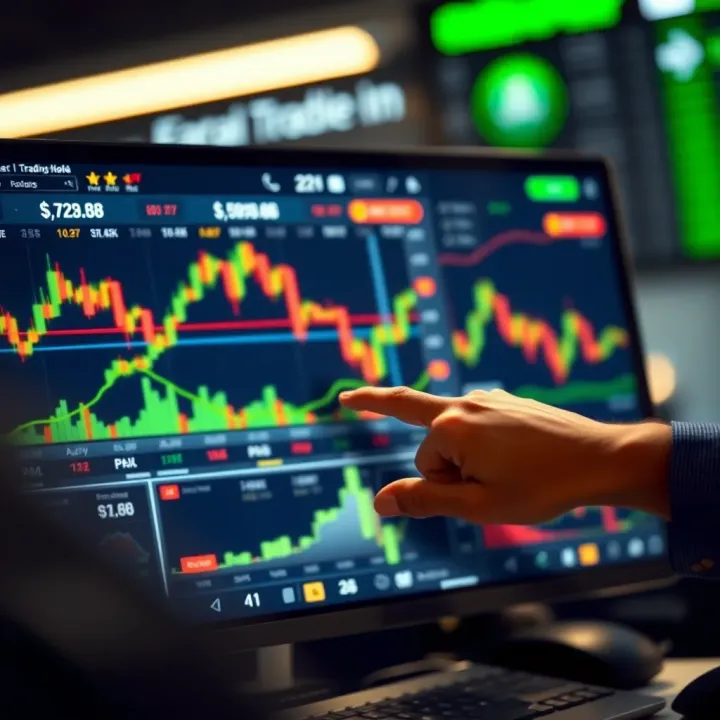
Discover key tips for Pakistani traders on choosing forex platforms 🌐 Compare fees, usability, currency options, and tools to fit your trading style ✔️
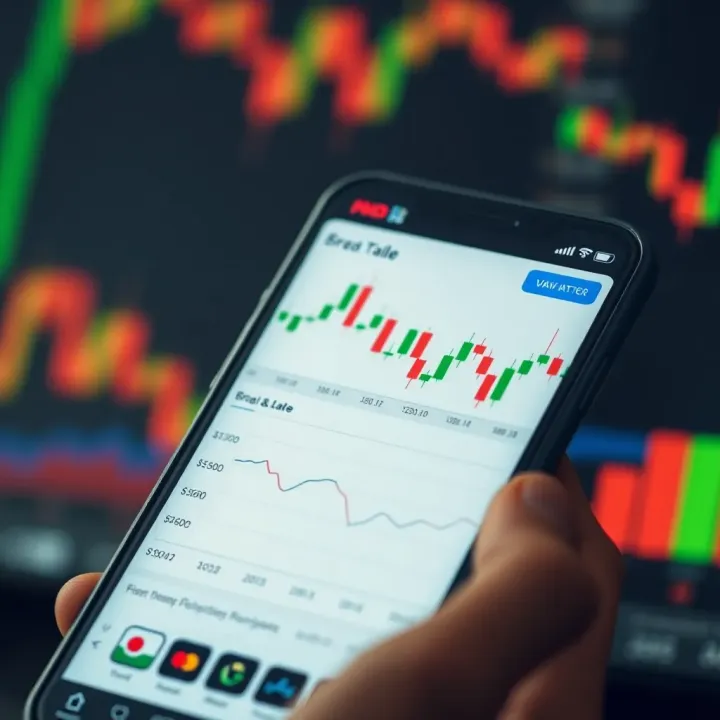
Discover the best forex trading apps in Pakistan 📈. Compare features, security, costs & usability to pick the perfect app for your trading needs!
Based on 5 reviews