
Choosing the Best Trading App in Pakistan
Explore top trading apps in Pakistan 📱! Compare features, security 🔒, costs 💰, and get expert tips for safe investing. Perfect for beginners & pros.
Edited By
Daniel Morgan
Pakistan’s investment landscape is evolving fast, and trading apps have become key tools for investors wanting to access stock markets and other financial assets. Choosing the right trading app means more than just picking one with a flashy interface. It’s about finding a platform tailored to Pakistan’s market conditions — with reliable security, reasonable fees, and smooth access to different securities.
Why should you care about the trading app you use? The app serves as your window to the market. A well-designed app can save you time, reduce errors, and even improve your decision-making with timely data and research insights. On the other hand, an app with poor security or limited features might expose your accounts to risks or restrict opportunities.
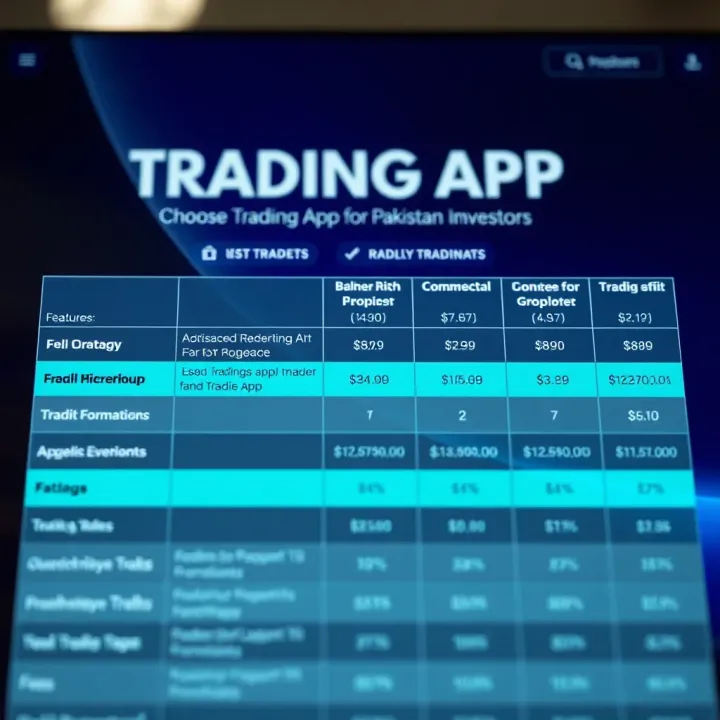
When selecting a trading app in Pakistan, focus on several key factors:
Regulatory compliance: Ensure the platform operates under the Securities and Exchange Commission of Pakistan (SECP) regulations. Verified apps add a layer of trust.
Market access: Check if the app supports all the markets you want to trade in, such as PSX equities, commodities, or foreign currency instruments where relevant.
Fees and commissions: Review brokerage charges, account maintenance fees, and transaction costs. Even small differences can add up for active traders.
User experience: A clean, easy-to-navigate interface helps reduce mistakes. Look for apps that fit your technical comfort level, whether you prefer simple or advanced tools.
Security features: Two-factor authentication, encryption, and timely updates are non-negotiable for protecting your investments.
Customer service: Accessible and responsive support can be a lifesaver when you face urgent issues or questions.
Most Pakistani traders find that apps linked to established local brokers tend to offer better regulatory coverage and more dependable customer support.
This article compares popular trading apps available in Pakistan, highlighting their standout features, costs, and security standards. By understanding these aspects clearly, you can pick an app that suits your trading style and meets your needs while navigating Pakistan’s financial markets confidently.
Pakistani investors today have a range of trading apps tailored to both local and international markets. Understanding the popular apps available helps traders select tools that fit their strategy and offer seamless access to Pakistan's dynamic stock market as well as global opportunities.
Pakistan Stock Exchange apps and brokerages: Local brokerages like MCB-Arif Habib, AKD Securities, and IGI Securities offer dedicated mobile apps connecting investors directly to the Pakistan Stock Exchange (PSX). These apps provide straightforward access to trade Pakistani equities, mutual funds, and government securities. Their primary strength lies in regulatory compliance with the Securities and Exchange Commission of Pakistan (SECP) and integration with local payment systems, making account setup and funding relatively smooth for traders.
International apps accessible in Pakistan: Platforms such as Interactive Brokers, eToro, and TD Ameritrade allow Pakistani investors to trade foreign stocks, commodities, and ETFs. While offering wider market exposure, these apps often involve currency conversion, international fees, and additional verification steps like tax documentation. However, they are popular for portfolio diversification beyond Pakistan's market, especially for experienced traders seeking global trends.
Mobile versus desktop platforms: Many trading apps provide both mobile and desktop versions, catering to different user preferences. Mobile apps excel in convenience, allowing traders to monitor market movements and execute quick orders from anywhere. Desktop platforms, on the other hand, typically offer more advanced charting tools, deeper analytics, and better multitasking for serious active traders. Pakistani traders often start on mobile apps for basic investing and switch to desktop platforms for in-depth analysis.
Real-time market data and charting tools: Accurate and timely market information is vital. Leading apps stream live price updates, depth of market data, and interactive charts. For example, PSX brokerage apps offer detailed candlestick charts, volume indicators, and moving averages essential for technical analysis. International platforms may add global news feeds and macroeconomic indicators, enriching the decision-making process.
Order types and execution speed: The ability to place different order types like market, limit, and stop-loss orders affects trade precision and risk management. Fast execution reduces slippage risks in volatile markets. Pakistani brokerage apps have improved order processing times, but international platforms often offer even lower latency thanks to global infrastructure. Traders must choose apps that support their preferred order types and ensure trades happen promptly.
User interface and ease of use: A clean, intuitive interface greatly impacts trading efficiency, especially for new investors. Popular Pakistani trading apps focus on simple navigation with quick access to portfolio summaries, watchlists, and order placement. International apps sometimes overwhelm beginners with features but provide thorough tutorials. A balance between functionality and user-friendliness tends to suit most Pakistani traders best.
Accessing the right trading app is the first step in ensuring efficient and secure investing, tailored to your trading goals in Pakistan's market as well as worldwide.
Overall, the choice among apps depends on the desired markets, trading frequency, and feature preferences. Pakistani traders benefit from exploring these options carefully before committing to one platform.
Selecting the right trading app impacts your ability to trade efficiently and securely in Pakistan's dynamic market. Several factors matter here—from safety and costs to market access and user experience. Making an informed choice helps avoid unnecessary risks and charges while ensuring you get the features that suit your trading style.
Ensure the trading app is licensed by the SECP, which supervises Pakistan's capital markets. A SECP licence means the platform meets the regulatory standards required to operate legally, offering investors protection and recourse if issues arise. For example, newly launched broker apps without SECP approval might lack oversight, increasing risk for traders.
Your personal and financial data must be guarded rigorously. Top trading apps deploy encryption and secure login protocols, such as two-factor authentication, to keep accounts safe from unauthorised access. This is especially relevant when using mobile apps over public or home Wi-Fi, which might be vulnerable to hacking.
Trading involves money transfers and order executions that need verification layers to prevent fraud. Reliable apps monitor unusual activity and notify users instantly. They also provide options to freeze accounts or set transaction limits. This reduces the risk of losses from scams or technical glitches.
Every trade typically incurs brokerage charges, which vary widely between brokers. Some apps offer flat fees per trade, while others charge a percentage of the transaction value. For example, a trader engaging in frequent small trades should prefer apps with low per-trade fees to maintain profitability.
Beyond visible fees, some platforms impose inactivity charges or account maintenance costs. These often catch traders unaware and eat into returns. It’s crucial to read the fee schedule carefully and consider how often you intend to trade before committing.
For apps providing access to foreign markets, currency conversion fees add to costs. Since trading US stocks usually involves converting PKR to USD, platforms may charge varying spreads or fixed fees for this. Traders should factor these costs in, especially if they trade often or in small volumes.
Most Pakistani traders will want access to PSX-listed companies. The chosen app should offer live market data and allow trading of equity, ETFs, and bonds listed on PSX. This ensures investors can follow Pakistan’s economic trends closely and act accordingly.
Some platforms extend beyond local markets, providing exposure to international stocks, commodities like gold or oil, and mutual funds. For instance, apps linked to global brokers enable Pakistanis to trade US tech stocks or commodities futures, diversifying portfolios.
Experienced investors might look for options trading, futures, or margin accounts to leverage their investments. Apps that facilitate these instruments require careful evaluation, as margin trading increases both profit potential and risk.
Slow or unstable apps can cause delays in order execution, leading to missed opportunities or losses. A smooth user interface that loads quickly even on average internet speeds common in Pakistan makes trading less frustrating.
Effective customer support is vital when issues arise. Local language support, responsiveness via phone or chat, and knowledgeable service staff can save time and troubles. Some apps also offer dedicated account managers for premium clients.
Trading education embedded in apps—like tutorial videos, webinars, or market analysis—helps beginners build confidence. Platforms that provide real-time tips and insights help users make smarter trading decisions over time.
Choosing a trading app isn’t just about features; it’s about matching tools, safety, and support to your trading goals. With due diligence, Pakistani investors can find apps that serve their needs both for local and global investing.
Setting up and using a trading app in Pakistan involves several important steps that ensure security, compliance, and smooth transactions. For investors, knowing these basics helps avoid common pitfalls and speeds up the process of entering the market.
In Pakistan, every trading app requires your Computerised National Identity Card (CNIC) for registration. This linked identity helps verify your account and fulfils regulatory demands. For example, brokerage apps like PSX’s TradeSmart need you to provide CNIC details along with a valid Pakistani bank account to connect your trading activities directly with your banking transactions. This setup ensures funds flow securely and helps prevent fraud.
The National Tax Number (NTN) is necessary if you’re dealing with larger volumes or operating as a professional trader since the Federal Board of Revenue (FBR) monitors taxable capital gains. Some platforms may request your NTN to comply with tax regulations and report transactions. Even if you’re a beginner, having your NTN linked can simplify tax declarations during the financial year.
Mobile phone verification plays a key role in Pakistan’s Know Your Customer (KYC) requirements. Trading apps often ask for SIM verification to authenticate your identity further. This process involves registering your active mobile number, which must be properly verified through the Pakistan Telecommunication Authority (PTA). KYC steps also include submitting verified documents and a selfie to confirm your identity, helping the app avoid fake accounts or scams.
Funding your trading account usually happens via bank transfers from your linked account. Most local brokerage apps accept transfers from major banks like HBL, UBL, or MCB. Mobile wallets are also gaining traction; however, their usage depends on broker support and limits. For instance, transferring Rs 50,000 from your bank to a trading app account can be straightforward if the app supports this feature, making it easy to reload funds anytime.
Many platforms now accept funding via mobile wallets such as JazzCash or Easypaisa. This brings convenience since these wallets are widely used and allow instant transfers without visiting a bank. That said, some apps may impose wallet transaction limits or fees, so it pays to check which services are accepted and what charges apply.
When using international trading apps accessible in Pakistan, funding gets a bit trickier due to currency conversions. You generally transfer PKR from your bank, which then gets converted to USD or other currencies supported by the platform. This involves exchange rate charges, often variable, so it’s prudent to compare rates beforehand. Also, apps like Interactive Brokers provide guides to help Pakistani users navigate these steps safely.
Most trading apps include several order types, primarily market orders (buy/sell immediately at current price) and limit orders (execute at your chosen price). For example, if you want to buy PKR 100 shares of a stock but only at Rs 50 each, a limit order lets you set that price, avoiding paying more than you want. These options give traders control over entry and exit points.
Stop loss orders help limit losses by automatically selling a position if the price falls to a set level. Alerts notify you about price changes or news updates. Apps like PSX’s JS Global or international ones like TD Ameritrade offer built-in alert systems, which help traders react quickly to market movements and stick to their strategies without constantly watching the screen.
Good trading apps provide dashboards showing your current holdings, realised profits, and losses, often with visual charts. This makes monitoring overall investment health easier. For instance, users can check how their Rs 1 lakh invested in stocks is performing week by week, helping them decide when to rebalance or book profits.
Registering correctly, funding securely, and using smart order types are key steps to effective online trading in Pakistan. Staying informed and cautious ensures you trade confidently in volatile markets.
This practical guide helps you start trading with proper setup and good habits, vital for success on any platform.
Choosing the right trading app requires comparing various platforms based on their strengths and limitations. This comparison helps investors in Pakistan understand which apps fit their trading style, financial goals, and technical comfort. By looking closely at key aspects such as speed, costs, market access, and customer support, traders can avoid surprises and make smarter, more confident choices.
Local brokerage apps often excel in speed when accessing Pakistan Stock Exchange (PSX) markets. Because they operate within the country’s network infrastructure and comply directly with SECP regulations, these apps tend to have faster execution times and fewer connectivity issues. For instance, apps by brokers like AKD Securities or JS Global offer real-time data that performs smoothly even during market volatility, crucial for day traders.
However, these apps might face occasional outages during heavy traffic or upgrades. Still, their familiarity with local banking systems, payment options, and regulatory requirements generally makes them more reliable for Pakistani users focusing primarily on domestic equities.
International trading platforms — such as Interactive Brokers or eToro — provide access to global stock markets, including US, European, and Asian exchanges. This opens doors for diversification beyond Pakistan's limited market, allowing investors to buy shares in tech giants like Apple or Tesla.
That said, using international apps involves currency conversion costs, longer fund transfer times, and sometimes confusing regulatory requirements for Pakistani traders. They may also lack localised customer support. Still, for investors aiming for wider exposure or those already familiar with global markets, these platforms offer valuable opportunities.
Local apps generally suit investors who prefer straightforward access to PSX shares, want minimal currency complexities, and rely on Urdu or English support tailored to Pakistan’s context. Beginner traders and those with smaller portfolios often find these apps easier and more cost-effective.
By contrast, international platforms are better for experienced traders looking for diversity, advanced tools, and access to international assets. High-frequency traders or those interested in derivatives and forex might also favour these for their broader product range.
For traders with limited capital, apps with low brokerage fees and no hidden charges are essential. Local apps typically offer brokerage rates starting around 0.03% per transaction, making them affordable for those investing in smaller amounts like Rs 50,000 or Rs 1 lakh. Many also waive monthly inactivity fees or provide zero account opening charges, keeping costs low.
On the other hand, some international apps charge minimum monthly fees or higher commissions that could eat into returns for smaller traders. Understanding these costs upfront saves money and frustration.
Some apps offer advanced charting tools, expert reports, or faster order executions as premium services. While these features can help active traders, they often come at extra costs that add up over time.
For instance, apps like ThinkorSwim or TradingView integrations may require subscriptions beyond the basic free tier. Investors should weigh if such features justify the expense, especially if they trade infrequently.
Trading fees directly affect how often one can trade profitably. High commissions can discourage frequent trading and reduce overall returns, particularly for short-term strategies.
A trader in Karachi dealing with Rs 10 lakh monthly turnover would notice that even a 0.1% difference in fees amounts to Rs 1,000, impacting net profits. Evaluating fee structures in relation to one’s trading volume helps maintain profitability.
Customer support in English and Urdu is a big plus for Pakistani investors. Local brokerage apps often provide assistance in Urdu over phone or chat, helping users resolve issues fast and clearly.
International platforms may lack Urdu support, making communication tougher for some users. Localisation also includes understanding Pakistani banking hours and holidays, which helps when funding or withdrawing accounts.
While many apps prioritise mobile platforms due to smartphone penetration, desktop versions are still crucial for detailed analysis and order management. Local apps usually offer both, often with desktop versions adapted to Pakistan’s trading hours.
International apps might have comprehensive desktop software but less locally tailored mobile apps. Traders should consider which device fits their daily routine better.
Regular app updates fix bugs, patch security issues, and add new features. Pakistani traders benefit when apps stay current with SECP rules and local banking changes.
Some local apps update frequently to improve performance, while others lag, causing occasional glitches during peak trading. International apps may push updates more often but occasionally disrupt usability with major changes. Checking reviews and update histories can guide one’s choice.
Considering these factors together enables Pakistani investors to pick trading apps that not only match their strategies but also offer a smoother and safer experience in the evolving market.
Trading through mobile apps in Pakistan offers great convenience, but it carries risks that demand your attention. Knowing how to avoid scams, manage risks smartly, and stay updated can greatly improve your trading experience and protect your hard-earned money.
Fake trading apps and phishing attempts are rising, especially targeting Pakistani investors eager to trade online. Phishing involves tricking you into revealing login details through fake websites or apps that look very much like the real ones. Always download apps from official sources like the Google Play Store or Apple App Store, and verify the broker’s credentials with the Securities and Exchange Commission of Pakistan (SECP). For instance, a false app might promise easy profits but steal your login information once you sign in.
Using two-factor authentication (2FA) adds an important layer of security. After entering your password, 2FA requires a second confirmation, like a code sent to your mobile or email. This helps even if someone manages to get your password, as they still can’t access your account without the second factor. Most reputable Pakistani trading platforms now require 2FA.
Protecting your personal data goes beyond passwords. Avoid sharing your CNIC number, NTN, or banking details through unverified channels. Regularly update your app and device software to patch security holes. For example, using a public Wi-Fi network without a VPN might expose your data to hackers, so trading through mobile data or trusted networks is safer.
Setting stop losses and profit targets prevents heavy losses and locks in gains. If a stock price hits your stop loss, the app automatically sells it to stop further loss. Likewise, profit targets help you take earnings before the market reverses. A Karachi-based investor, for example, might set a stop loss for a volatile stock to limit risk amid market uncertainty.
Portfolio diversification is key to managing risk. Don’t put all your money into one sector or stock. Spread investments across sectors available on Pakistan Stock Exchange and, if your app allows, international markets too. This way, a bad day for one stock won’t empty your account.
Regular review and adjustment keep your portfolio in line with your goals and market conditions. Markets change quickly; what worked two months ago might not now. Rebalancing your holdings occasionally ensures you aren’t overexposed to risky assets just because you forgot to review your positions.
Many apps integrate live news feeds, offering updates relevant to your chosen stocks or sectors. Having real-time news inside your trading app helps you react promptly to developments, such as government policy changes or company earnings announcements.
Following regulatory announcements from SECP is essential for compliance and understanding market regulations. These announcements often affect trading rules and tax policies, impacting your investment decisions.
Using alerts and notifications efficiently means you don’t have to constantly watch your screen. Set alerts for price changes, market openings, or key news events. For instance, you can get an instant notification if your favourite stock hits a new high or if there’s a sudden policy change affecting the market.
Safe trading on mobile is about smart preparation and vigilance. Combining security practices with risk management and staying informed turns your app into a powerful tool rather than just a convenience.
By following these tips, Pakistani traders can navigate mobile trading apps with confidence, avoiding common pitfalls while making informed decisions aligned with their financial goals.
Explore top trading apps in Pakistan 📱! Compare features, security 🔒, costs 💰, and get expert tips for safe investing. Perfect for beginners & pros.
Discover how to pick the best trading app for beginners in Pakistan 📈. Learn about key features, security, and easy steps to start your trading journey!

Explore the best online trading apps in Pakistan 📱. Learn about their features, security, fees, and market access to find your perfect trading fit.
Discover how to choose the best cryptocurrency trading app in Pakistan 🇵🇰. Learn about key features, security 🔒, fees 💰, usability, and regulations 🤝.
Based on 5 reviews