

Is Forex Trading Legal in Pakistan?
Curious if forex trading is legal in Pakistan? Discover the official rules, authorised platforms, and the State Bank's role ⚖️ plus tips to trade safely and within the law.
Edited By
Sophie Mitchell
Forex trading in Pakistan offers significant opportunities, but it comes with risks — especially if you deal with unlicensed brokers. The State Bank of Pakistan (SBP) regulates foreign exchange activities, and following its rules is key to safe, legal trading.
Many traders are drawn to forex for its profit potential. However, without working through authorised brokers, you could face losing your funds or legal trouble. Pakistani law limits forex trading mostly to contracts for difference (CFDs) and restricts direct currency exchange dealings.

Legal forex brokers in Pakistan are either registered with the Securities and Exchange Commission of Pakistan (SECP) or licensed through recognised international platforms that comply with Pakistani regulations. Using these brokers ensures regulatory oversight, customer fund protection, transparent pricing, and adherence to Anti-Money Laundering (AML) policies.
Choosing a broker without proper licensing risks your money and exposes you to scams. Always verify a broker’s credentials before depositing any money.
Here are key points to consider when identifying legitimate forex brokers in Pakistan:
Verify SECP or SBP approval: Check official listings for broker authorisations.
Look for international regulation: Brokers licensed by FCA (UK), CySEC (Cyprus), or ASIC (Australia) often extend services to Pakistan following local compliance.
Check client fund segregation: Legal brokers separate your money from operating funds.
Evaluate transparency: Fees, spreads, and terms should be clearly disclosed.
Confirm local customer support: Access to responsive service reflects broker reliability.
Trading through proper channels not only protects your capital but also ensures compliance with Pakistan’s foreign exchange laws. This supports a safer trading environment and helps legal reforms grow stronger.
In the next sections, we’ll explore regulatory details, risks with illegal brokers, and practical advice on selecting the best legal forex broker tailored for Pakistani traders and investors.
Forex trading involves buying and selling currencies in the foreign exchange market, aiming to profit from changes in exchange rates. For Pakistani traders, this means speculating on currency pairs such as USD/PKR or EUR/USD. Understanding forex trading basics is key before choosing legal brokers or platforms for trading.
At its core, forex trading is the exchange of one currency against another, conducted through global networks. Traders buy a currency when they expect its value to rise and sell when they anticipate a fall. For example, if you think the US Dollar will strengthen against the Pakistani Rupee, you buy USD/PKR. The difference between buying and selling rates determines your profit or loss. Unlike the stock market, forex operates 24 hours during weekdays, providing flexibility for traders in Pakistan.
Forex trading has gained significant interest in Pakistan over recent years, partly driven by technological access and increasing awareness. Platforms like MetaTrader and brokerages that accept Pakistani clients have made it easier to start trading with accounts even as low as $100. Young professionals and finance enthusiasts are exploring forex as an alternative investment, especially amid domestic economic challenges like inflation and currency volatility.
This growth, however, comes with challenges. Unregulated brokers often target Pakistani traders, promising high returns but delivering poor service or scams. Legal forex trading offers safeguards and transparency. Moreover, with the rupee's fluctuations against the dollar sometimes sharp and sudden, savvy traders seek to use forex trading to hedge risks or earn in foreign currency.
Many Pakistani traders view forex as a way to diversify their investments, but understanding market basics and choosing regulated brokers is essential for safe trading.
In short, knowing what forex trading involves and recognising its popularity locally helps traders make informed choices when engaging with the forex market. This section lays the groundwork needed before exploring legal brokers and regulations.
The regulatory framework in Pakistan plays a vital role in shaping forex trading practices and protecting investors. It ensures brokers operate transparently, follow rules that prevent fraud, and align with the country's broader financial laws. For any trader or investor, understanding this framework helps navigate the market confidently and avoid illegal brokers.
The Securities and Exchange Commission of Pakistan (SECP) functions as the main watchdog for financial markets, including forex brokers. Though it primarily regulates securities markets and companies, SECP keeps an eye on entities offering forex trading services to Pakistani clients. It sets licensing requirements, monitors compliance, and takes action against brokers violating regulations. For example, if a broker claims to be registered but isn’t on SECP's official list, traders should treat that with caution.
The State Bank of Pakistan (SBP) regulates foreign exchange inflows and outflows to safeguard the country’s currency stability. It issues rules governing how forex transactions should occur, especially concerning converting PKR to foreign currency and repatriating profits. One key SBP directive prohibits unlicensed entities from accepting foreign exchange unless authorised, which limits fraudulent activities by unauthorised brokers. This also means Pakistani traders must be careful to comply with SBP guidelines when transferring funds abroad for trading.
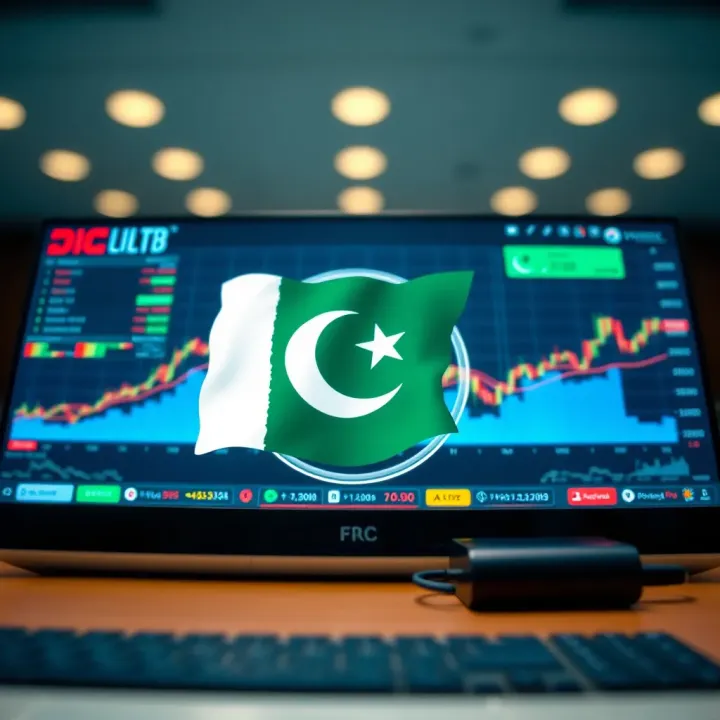
Pakistan’s foreign exchange regulations impact forex trading by restricting certain cross-border transactions and mandating reporting for large transfers. They enforce transparency and limit money laundering risks. For traders, this translates into the need to use legal remittance channels like banks or approved payment services when funding accounts with foreign brokers. Breaching these rules can lead to penalties, frozen accounts, or legal issues, so it’s critical to follow compliance.
Using brokers regulated under SECP and compliant with SBP rules ensures safer trading. It reduces exposure to scams and supports Pakistan’s ongoing efforts to strengthen its financial system.
Overall, the regulatory framework helps establish a safer environment for forex trading in Pakistan. Traders should prioritise licensed brokers, understand SBP’s currency rules, and stay informed about any changes in foreign exchange regulations to protect their investments.
Knowing how to identify legal forex brokers in Pakistan is key to safe and confident trading. Illegal or unregulated brokers can lead to severe financial loss and legal troubles. By focusing on brokers recognised by Pakistan’s regulatory bodies, traders shield themselves from fraud and comply with the country's foreign exchange rules.
Legal forex brokers operating in Pakistan must comply with licences and permissions set out by the Securities and Exchange Commission of Pakistan (SECP) and, where applicable, the State Bank of Pakistan (SBP). SECP mainly oversees financial services and securities firms, including brokers facilitating foreign exchange trading. Traders should look for brokers holding a SECP licence or an endorsement that confirms their authorisation to operate within Pakistan’s legal framework.
For example, a firm claiming to offer forex services but lacking SECP or SBP approval is likely bypassing important compliance checks. SECP licences indicate the broker has met capital requirements and follows rules on client fund protection.
Verifying a broker’s credentials starts with checking their registration on official SECP and SBP platforms. These regulators publish lists of authorised brokers, which traders can consult. Traders should also confirm:
The broker’s licence status and expiry
Whether the broker is listed in Pakistan as well as by international regulators (like FCA, CySEC) which adds a trust layer
Client feedback and complaints on local forums and review sites
Practical tip: Contacting the broker to ask about their licences and requesting documentary proof helps verify legitimacy. Genuine brokers will readily provide this.
While Pakistan does not have many local forex brokers fully licensed by SECP, international brokers regulated abroad yet compliant with Pakistan’s foreign exchange laws are often preferred. Examples include XM, Exness, and IC Markets. These brokers hold licences from respected global authorities and provide services to Pakistani clients with transparent terms.
Using brokers with established global reputations combined with local regulatory checks offers a balance between choice and safety. Traders can enjoy advanced trading platforms without compromising legal safeguards.
Always prioritise brokers whose credentials you can confirm through official regulatory channels. This saves you from scams common among unregulated entities targeting Pakistani traders.
By understanding licensing requirements, verifying credentials carefully, and choosing regulated brokers, you ensure your forex trading activity remains secure and fully legal.
Trading forex through regulated brokers in Pakistan offers significant advantages that help protect your investments and ensure a fair trading environment. These brokers are licensed by recognised authorities, such as the Securities and Exchange Commission of Pakistan (SECP), and comply with local financial regulations. This compliance builds trust and provides a safer space for your trading activities.
Regulated brokers must keep client funds separate from their operational money. This segregation means your deposits are protected even if the broker faces financial difficulties. For example, a broker regulated by SECP follows strict capital adequacy rules, reducing the risk of insolvency. Additionally, these brokers provide transparent transaction records and clear terms, allowing you to track how your money moves and avoid hidden fees. This transparency is crucial in avoiding surprises like sudden withdrawal blocks or unexplained charges.
Licensed brokers tend to offer established and reliable trading platforms, such as MetaTrader 4 or MetaTrader 5, widely used in Pakistan and internationally. These platforms provide real-time market data, advanced charting, and seamless order execution. Regulated brokers also comply with standards for fair pricing and order processing, meaning you more likely get better spreads and less slippage during trades. Besides, additional services like educational resources and customer support are usually better developed, helping traders make informed decisions.
One significant benefit of regulated brokers is the legal backup they offer traders. Should any dispute arise, you can approach the regulator or an arbitration tribunal to seek remedy. This legal protection contrasts sharply with unregulated brokers where resolving conflicts is difficult, and funds are often unrecoverable. For Pakistani traders, regulated brokers provide a safety net ensuring your rights are defended under Pakistan’s financial laws.
Trading with a regulated broker isn’t just about compliance; it safeguards your money, ensures fair trade, and offers recourse if things go wrong—essential for anyone serious about forex trading in Pakistan.
Choosing a regulated broker limits exposure to rogue agents and builds confidence that your trading operates within Pakistan’s legal framework. It’s wise to confirm the broker’s credentials through the SECP or trusted local sources before committing funds.
Trading with illegal or unregulated forex brokers carries serious risks that Pakistani traders must recognise. Without proper oversight, these brokers often operate in the shadow, putting traders’ funds and interests in jeopardy.
Unregulated brokers are notorious for fraudulent activities, including price manipulation, withholding withdrawals, or even disappearing with clients’ deposits. For example, a trader transferring Rs 5 lakh to an offshore broker without verification risks losing the entire amount if that broker is fake. The lack of regulatory safeguards means no insurance or compensation in such cases. Unlike regulated brokers, illegal entities rarely maintain segregated accounts to protect client funds, increasing the chance of misuse.
When problems arise—like platform glitches, delayed withdrawals, or account freezes—unregulated brokers often provide poor or no support. Traders dealing with these firms find little assistance or transparent communication. Worse, if you want to dispute a transaction or seek refund, there is no official body to lodge complaints with or hold the broker accountable. This absence of recourse can leave traders stranded, especially in a market as volatile as forex.
Engaging with illegal brokers can also cause trouble with Pakistan’s financial rules. The State Bank of Pakistan (SBP) regulates foreign exchange transactions to curb money laundering and capital flight. Using unregulated brokers bypasses these controls, making it harder to declare profits or report transactions for tax purposes. This complicates compliance with the Federal Board of Revenue (FBR) and could lead to penalties or legal issues. Moreover, irregular forex dealings can attract scrutiny under Pakistan’s Anti-Money Laundering (AML) and Countering Financing of Terrorism (CFT) regulations.
Trading with regulated brokers isn't just about security; it's about staying on the right side of the law and protecting your investments.
In short, avoiding unregulated forex brokers is essential for safety, legal compliance, and peace of mind. Pakistani traders should prioritise brokers authorised by SECP or recognised international regulators, ensuring a trustworthy trading environment with proper customer support and fund protection.
Choosing the right forex broker is vital for Pakistani traders who want to protect their investments and trade confidently. A good broker not only provides a regulated environment but also offers clear terms, reliable platforms, and responsive support. Being cautious and informed helps avoid costly mistakes often seen with unregulated or opaque brokers.
Start by checking a broker's reputation through reviews from multiple sources. Independent forums and social media groups where Pakistani traders share their experiences can be valuable. Avoid brokers with consistently negative feedback, delayed withdrawals, or unclear communication. For example, some traders reported issues with unregulated brokers disappearing once large deposits were made. Look for brokers with a transparent track record and positive ratings from users in Pakistan.
Every broker has unique trading conditions, such as spreads, commissions, minimum deposits, and leverage. Pakistani traders should compare these costs carefully since high fees can erode profits. For instance, a broker offering zero commission but wide spreads might cost more than one charging a small fee but tight spreads. Also, check for hidden costs like withdrawal charges or inactivity fees. Understanding leverage limits is crucial too, because Pakistan’s financial regulations may impose restrictions, and high leverage increases risk.
Always confirm that the broker complies with Pakistani rules or is licensed by recognised authorities like the Securities and Exchange Commission of Pakistan (SECP) or reputable international regulators. Regulatory compliance means your funds are better protected, and you have legal recourse if issues arise. Plus, good customer support—offering quick problem resolution through live chat, phone, or email—is a must. A broker that ignores customer queries or provides slow responses often signals trouble.
Take your time researching; the right broker simplifies trading without hidden surprises.
By focusing on reputation, fee structure, regulation, and support, Pakistani traders can pick brokers best suited to their needs, reducing risks and improving trading outcomes.
Curious if forex trading is legal in Pakistan? Discover the official rules, authorised platforms, and the State Bank's role ⚖️ plus tips to trade safely and within the law.
Find trusted Forex brokers in Pakistan! Learn about regulation, fees, platforms, account types, and support to boost your trading success 📈💼🇵🇰
Find the best forex trading platform for Pakistani traders 🇵🇰. Learn about features, costs, regulations, usability & tools to make smarter trades! 💹
Looking for the best forex trading broker in Pakistan? Learn to evaluate regulation, fees, platforms & customer support to trade smartly. 💹💼
Based on 7 reviews